
Highlights
Places of interest along the route
Along our cycling, walking, running and kayak routes you’ll pass a variety of interesting places, from green parks and bird-rich nature areas to historic dikes, sluices and old villages.
At several locations we share a bit more about the landscape, local wildlife and the history of the area. This way you don’t just follow a route, but also discover the natural and cultural heritage around Camping Zeeburg.
Diemerpark
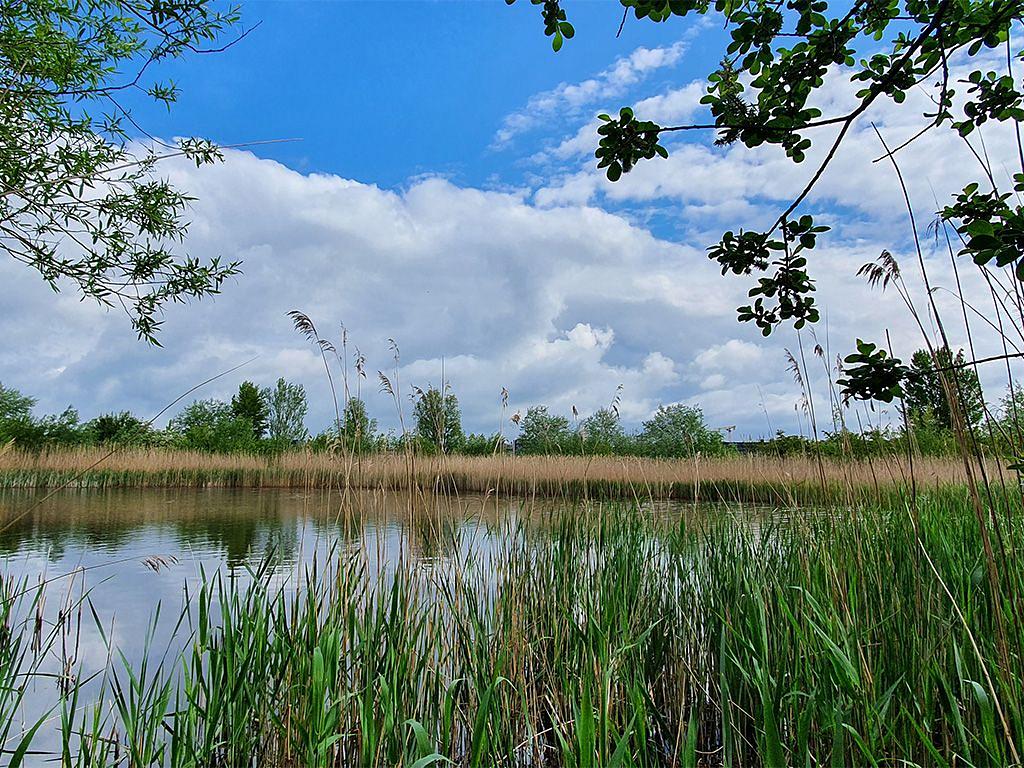
Diemerpark is a unique natural area close to Camping Zeeburg. The park has a rugged and open character and is known for its rich biodiversity. In the reed beds and along the water, you can find various bird species such as the bluethroat and kingfisher, as well as animals like the grass snake and natterjack toad.
The park lies between the Diemerzeedijk and the Amsterdam-Rhine Canal and forms part of an ecological corridor connecting North Holland and Flevoland. From the paths and dikes, you have beautiful views over the landscape and the IJmeer.
Flevopark
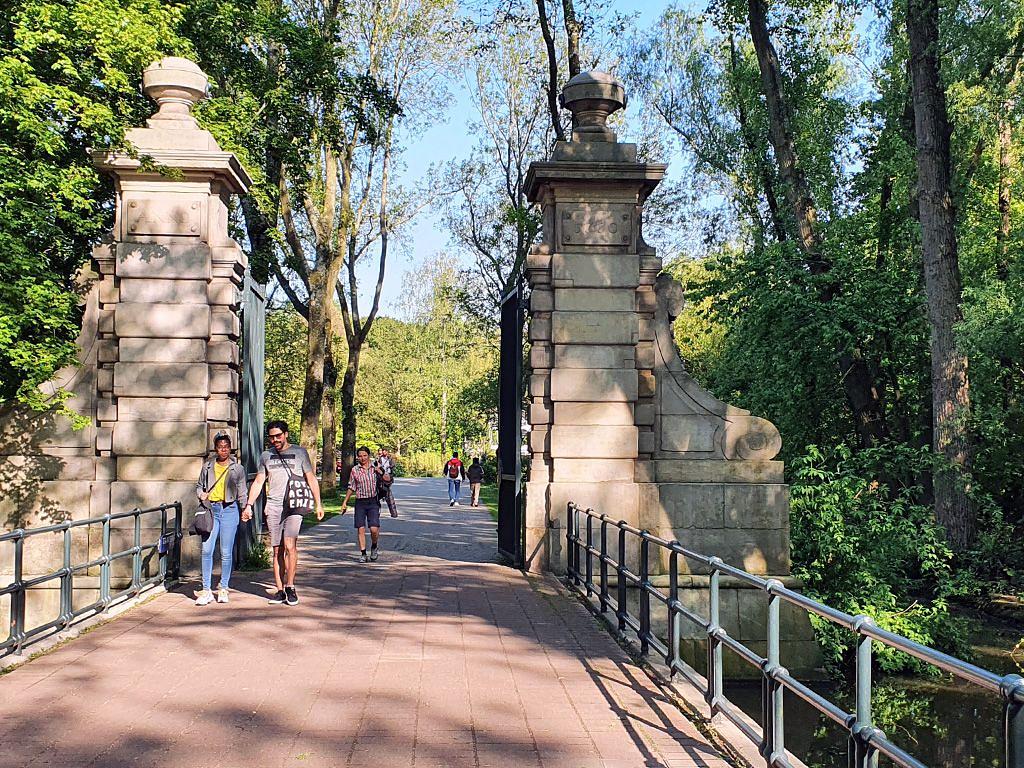
Flevopark is a special city park on the eastern side of Amsterdam, where nature and recreation come together. Thanks to its location along the water and at the edge of the city, the park has a rich biodiversity. You can find reed beds, open water, wooded areas and many bird species, from kingfishers and long-eared owls to herons and great crested grebes. The park is also culturally interesting, with a history dating back to the early 20th century.
The park forms a green transition between city and landscape and is part of an ecologically valuable zone in Amsterdam-East. With its quiet spots, water and varied vegetation, many animals feel at home here. During a walk or run, you discover a green and water-rich part of Amsterdam.
Gemeenlandshuis
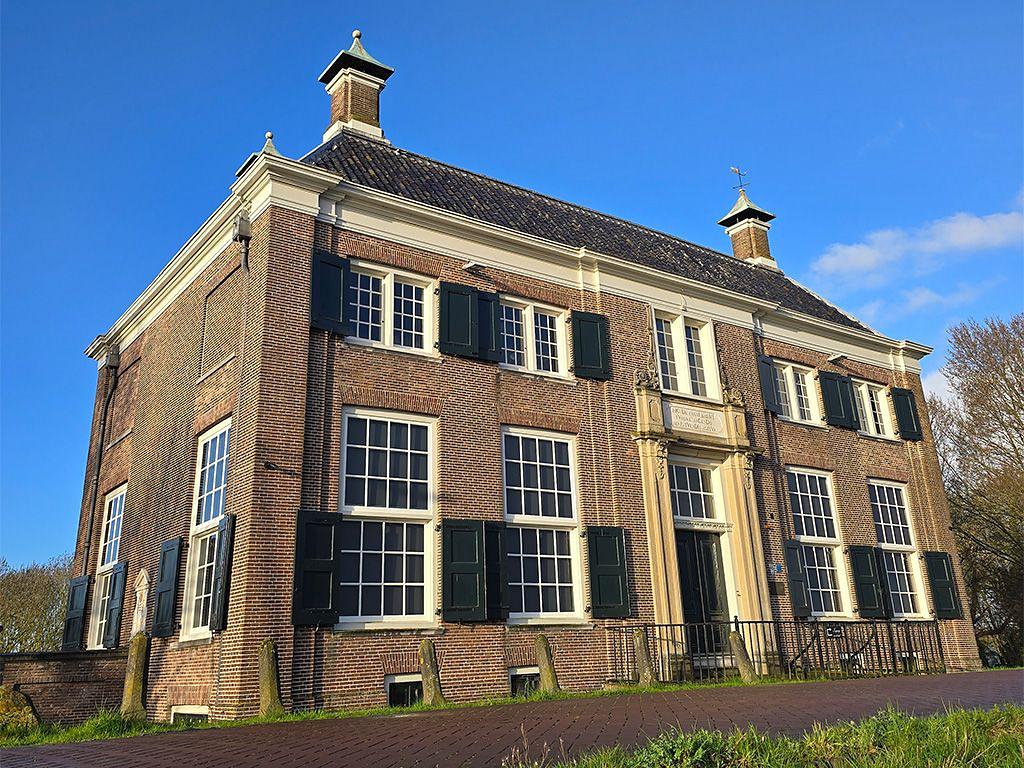
The Gemeenlandshuis of Diemen is a historic building located along the Diemerzeedijk, close to Camping Zeeburg. It was built in 1727 as a meeting place for the water board responsible for managing dikes and polders in the surrounding area.
In a region largely below sea level, water management has always been essential. From this building, work was carried out for centuries to protect the land from flooding. The Gemeenlandshuis reflects the long history of cooperation between people, landscape and water.
Today, the building is a national monument and a distinctive landmark along the dike. During a walk or bike ride along the Diemerzeedijk, you pass a piece of history that shows how the landscape around Amsterdam was shaped.
Nature Islands

The floating islands near Zeeburg are a special piece of newly created nature in the IJmeer, located along the eastern side of Zeeburgereiland. These islands were specially designed to provide space for plants and animals and to strengthen the connection between natural areas in and around Amsterdam.
Over time, the islands are developing into small green oases with reeds, aquatic plants and shelter for many kinds of wildlife. They form an important link in the ecological corridor between the Diemerzeedijk and Waterland, allowing animals to move more easily through the area.
Nature is given the time to develop step by step. Researchers from the University of Amsterdam (UvA) closely monitor this process and record which plants and animals settle here. From the shore or from the water, you can sometimes already spot special birds and other wildlife around the islands, a great example of how new nature can grow right at the edge of the city.
Diemerzeedijk
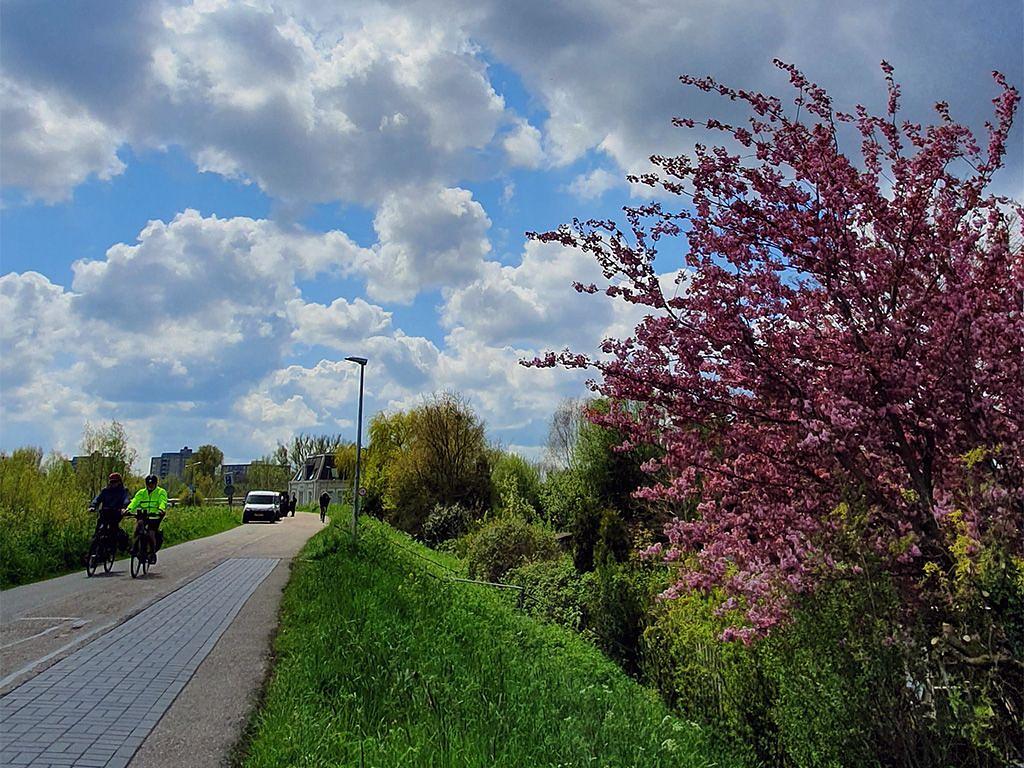
The Diemerzeedijk is one of the oldest dikes in the area and dates back to the 13th century. At that time, the dike was built to protect the land from the waters of the Zuiderzee, the predecessor of today’s IJmeer. Without this dike, large parts of the surrounding land would have been regularly flooded.
For centuries, the Diemerzeedijk played an important role in keeping the land behind it safe. The dike made it possible to build villages, develop agriculture and later allow the city to grow. Today, walking or cycling along the dike means travelling across a piece of history that has shaped the landscape for hundreds of years.
Sluishuis
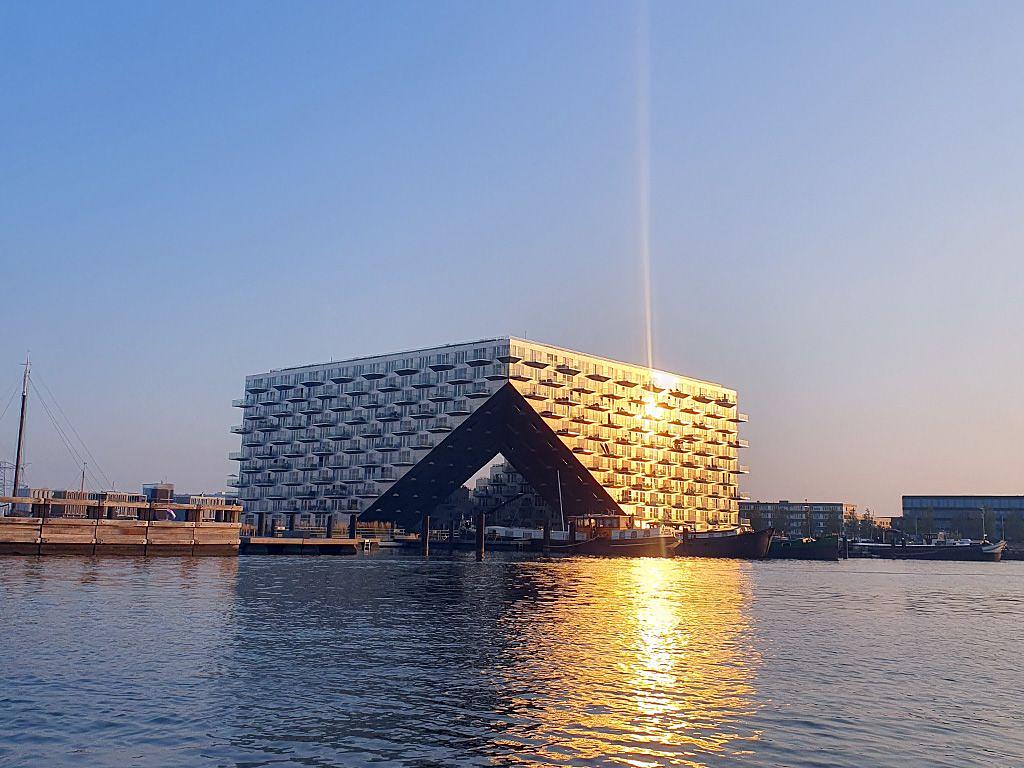
The Sluishuis is a striking building on the waterfront at IJburg and has become one of Amsterdam’s most recognizable modern icons. The building appears to float partly above the water and features a large opening in the middle where boats can pass through.
The design was created by the Danish architectural firm BIG (Bjarke Ingels Group) together with the Dutch firm Barcode Architects. The building consists of residential apartments but is also freely accessible to walk around and underneath. The lines and shapes of the building are especially impressive when viewed from the water or along the quay.
From the walking route around the IJmeer, you have a beautiful view of the Sluishuis and the surrounding waters. On clear days, the building reflects in the water, highlighting how the design responds to its location on the IJmeer.
The Sluishuis shows how modern architecture and water come together in Amsterdam, a city that has lived with water for centuries.
Diemerpolder
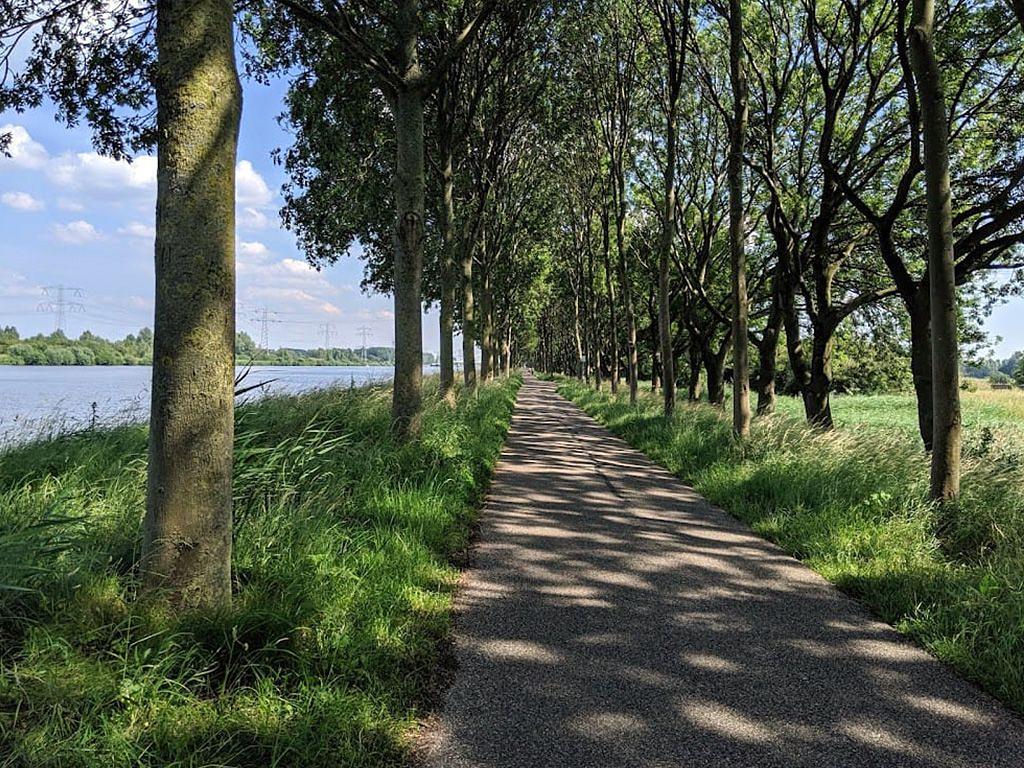
The Diemerpolder is a quiet and open landscape just outside the city, where it suddenly feels as if Amsterdam is much farther away. This polder was reclaimed in the 17th century to create farmland, and the historic landscape is still clearly visible in the long straight ditches, narrow roads and wide meadows.
Today, the Diemerpolder is a great place to get some fresh air. Walking or cycling here takes you along water, reed beds and grasslands where birds are often seen, from geese and lapwings to birds of prey circling above the fields. The contrast with the nearby city is striking, and that is exactly what makes this place so special.
From the edge of the polder, you have wide views across the flat landscape, with an occasional farm or windmill on the horizon. It is a landscape defined by peace and open space, where you can experience how the Dutch polder landscape has looked for centuries.
Volgermeer
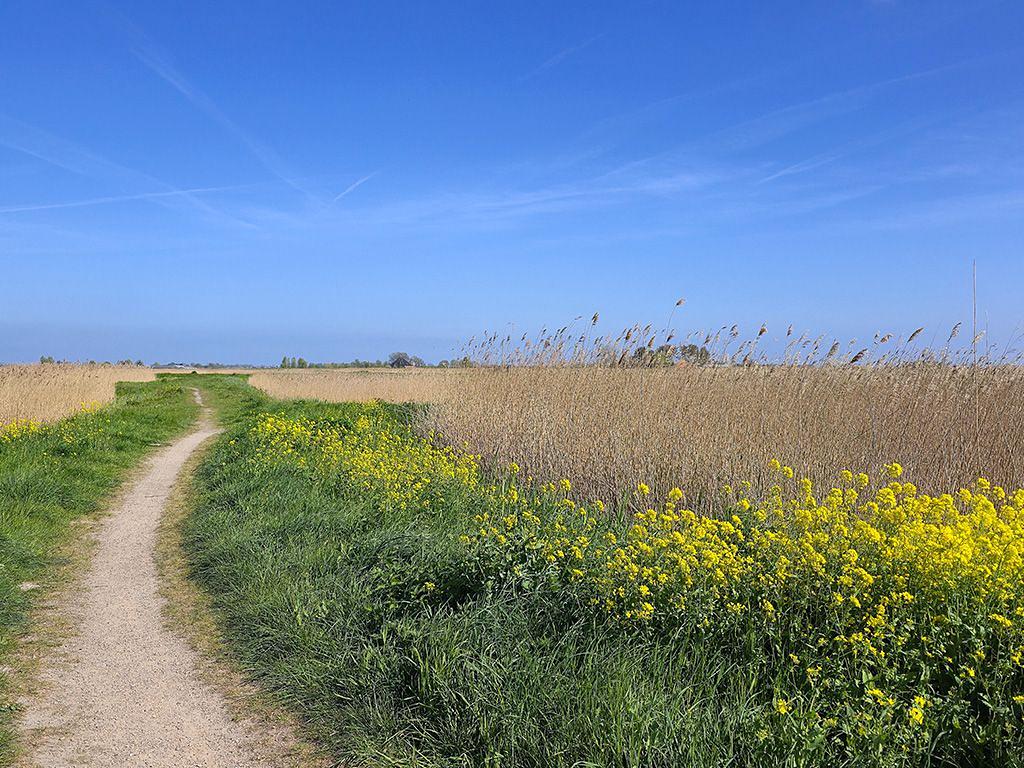
The Volgermeer is a unique nature area north of Amsterdam, located between Broek in Waterland and Durgerdam. The area was once a peat lake and later reclaimed as a polder. In the 20th century, the site was used as a dumping ground for chemical waste. After a large-scale clean-up, the area was transformed into a natural landscape.
Today, the Volgermeer is a peaceful and green area with grasslands, ponds and marshy zones. It is part of the peat meadow landscape of Waterland and provides an important habitat for birds, insects and other wildlife.
During a walk through the area, you discover an open and water-rich landscape with wide views. It shows how nature and landscape can recover and once again create space for plants and animals.
Broek in Waterland
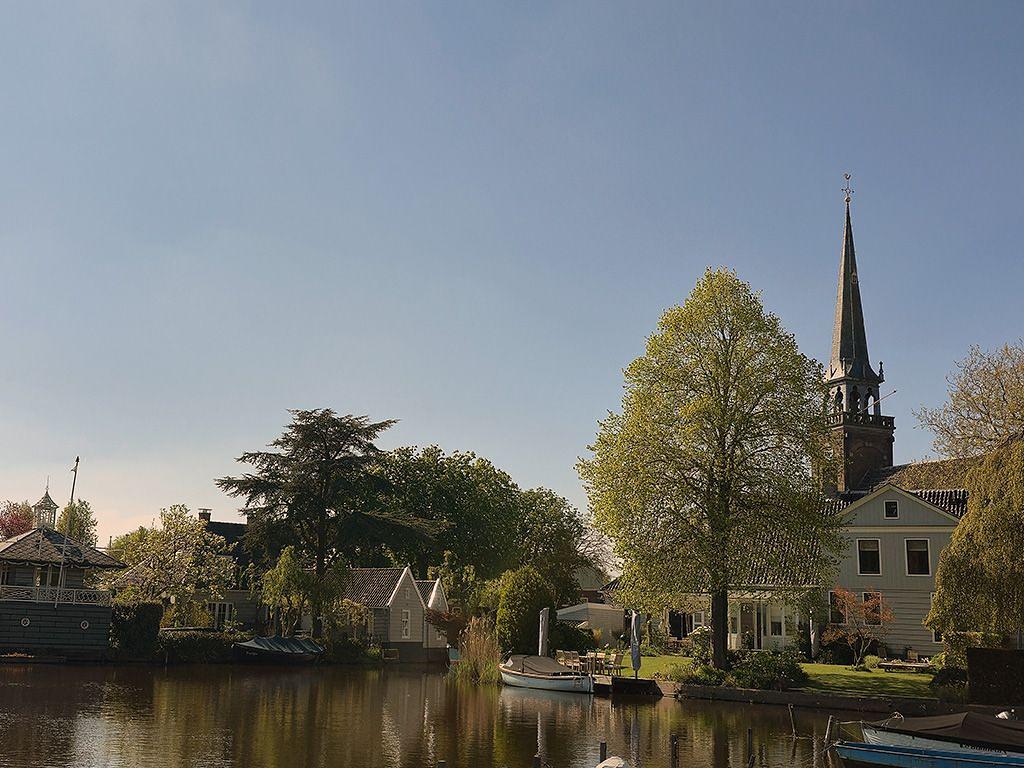
Broek in Waterland is one of the best-preserved villages in the region and is known for its wooden houses painted in soft colours. The village developed in the Middle Ages as a fishing and trading settlement and later grew into a prosperous community. Walking through the narrow streets and along the water gives a good impression of what life here once looked like. The peaceful atmosphere and historic character make Broek in Waterland a special place to pause and take in the surroundings.
Molen d’Admiraal
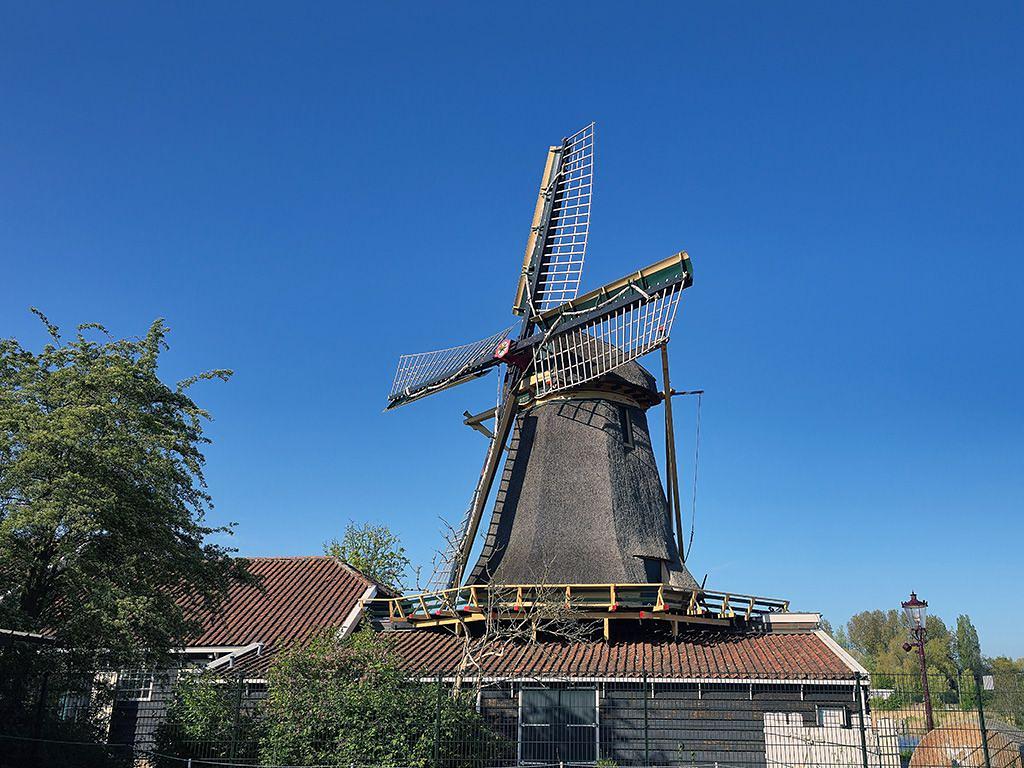
Windmill d’Admiraal is a historic chalk mill dating from 1792 and one of the few windmills in the Netherlands that still grinds chalk. The mill originally stood along the Tolhuiskanaal and was used to grind chalk for paint and putty. Today, the mill still turns regularly and can be visited on selected days. From here, you can clearly see how traditional technology and modern city development exist side by side.
Molen de Gooyer
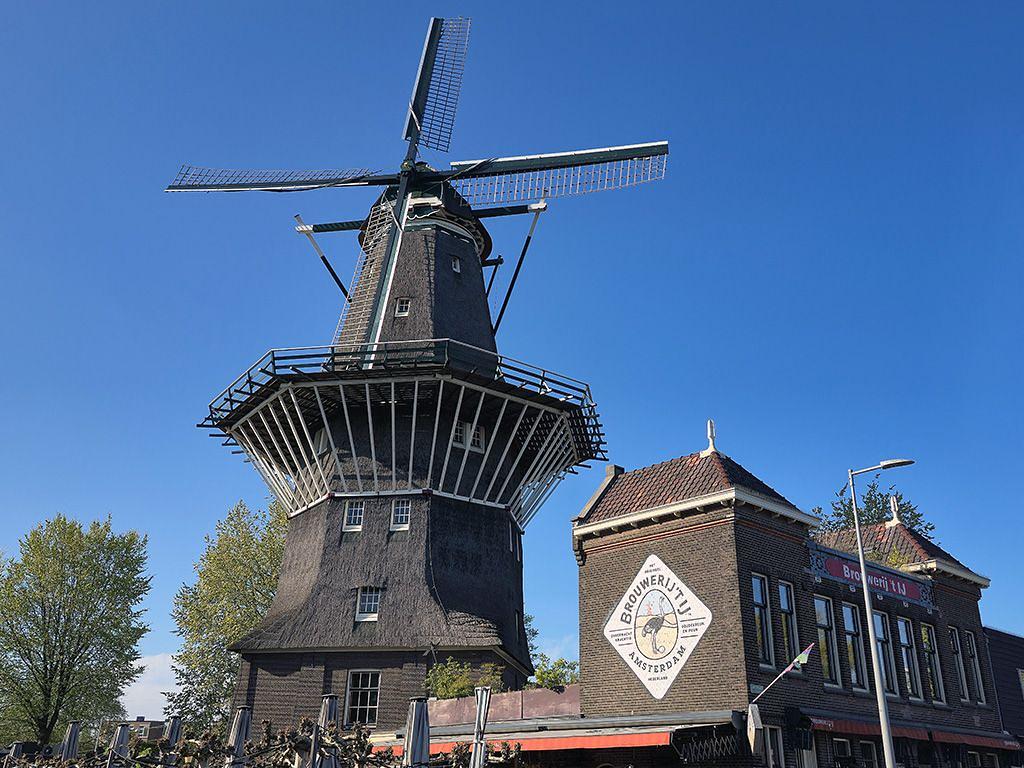
Windmill De Gooyer is the tallest wooden windmill in the Netherlands and a striking landmark at the edge of Amsterdam’s city centre. The mill was originally built in the 16th century and has had several functions over time, including serving as a grain mill. Today, it stands next to Brewery ’t IJ and is a popular spot for visitors. From here, you can see how historic windmills still have a place in the modern city.
Zorgboerderij Ons Verlangen

Zorgboerderij Ons Verlangen is een plek waar landbouw en zorg samenkomen. Op deze boerderij werken mensen in een rustige, groene omgeving tussen de dieren en het land. Langs de weg vind je de boerderij-automaat, waar je lokale producten kunt kopen zoals eieren, sap en andere verse lekkernijen van het seizoen. Een fijne plek om even te stoppen en iets lokaals mee te nemen voor onderweg.
Marken
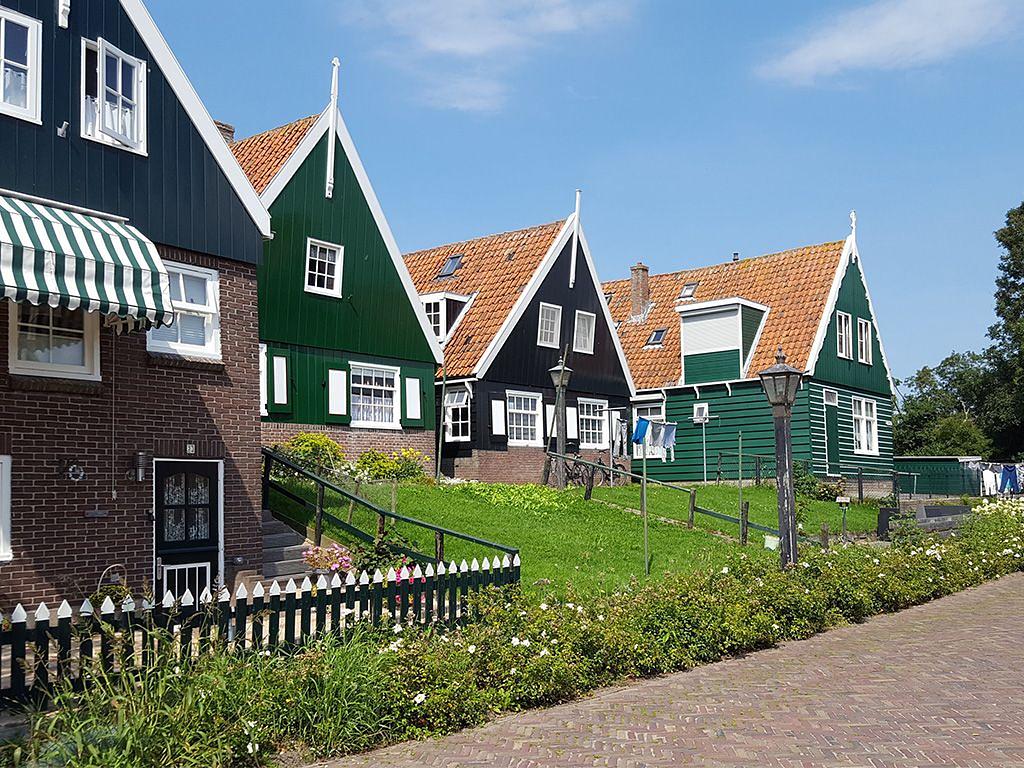
Marken is a former island in the Markermeer and is known for its wooden houses on stilts and narrow streets. Because of its location on the water, the village had to protect itself from flooding for centuries. This is still visible today in the raised mounds on which houses were built and in the characteristic architecture. Today, Marken is connected to the mainland by a dike and is a popular place to stroll along the harbour, the lighthouse and the distinctive green and black wooden houses.
Holysloot
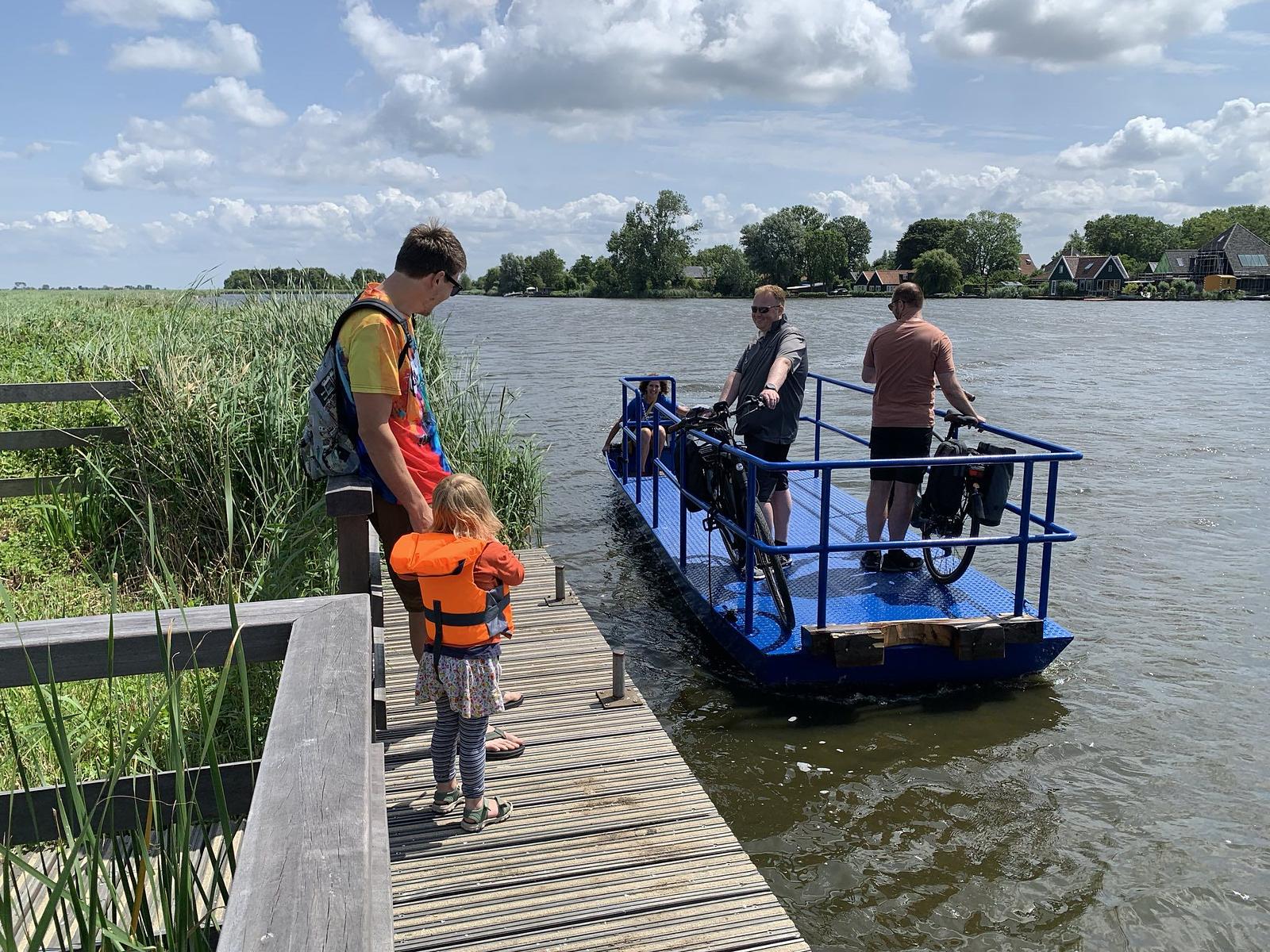
Holysloot is a small and peaceful village in the middle of the Waterland polder landscape. The village lies along the water and still feels truly rural, with narrow roads, old farms and wide views across the fields. At the ferry, you can cross the water, and from here it is also possible to rent a boat and explore the area from the water. A pleasant place to experience the calm rhythm of life in the polder.
Overleek
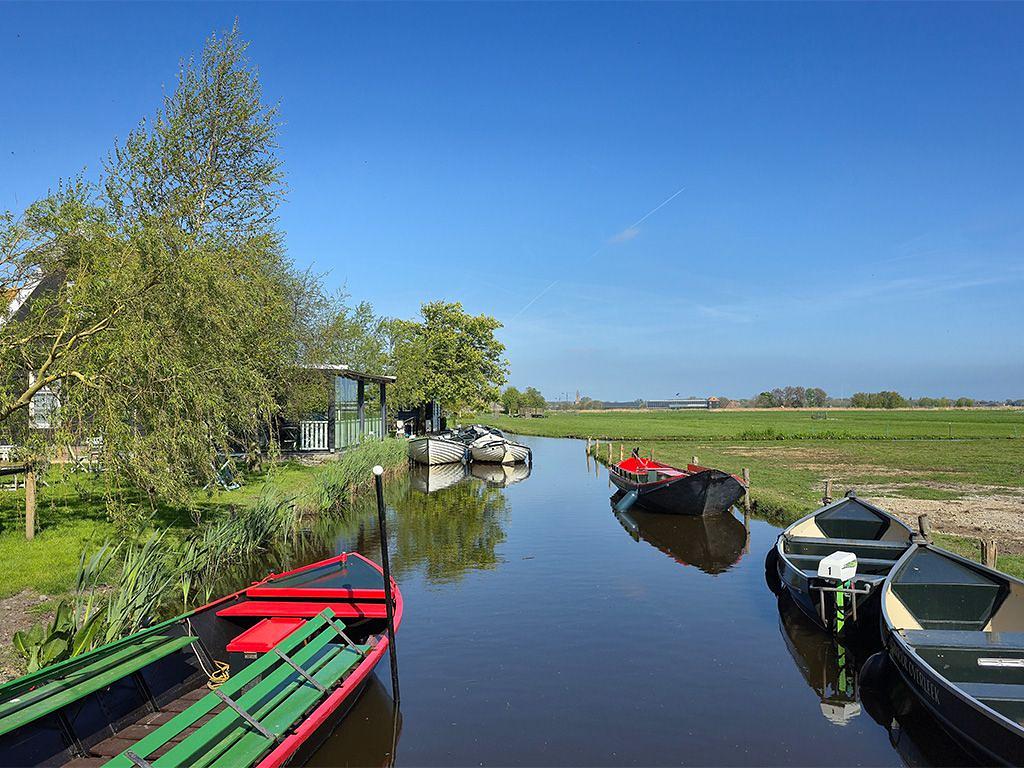
Overleek is a small and charming spot in the middle of the Waterland landscape. Here you will find a tea garden where you can take a break for coffee, tea or something tasty, with views over the water and surrounding meadows. At Overleek, you can also rent a boat to explore the area from the water. Cruising through the narrow canals offers a completely different perspective on the landscape and lets you experience how peaceful and water-rich this area is.
Pampus
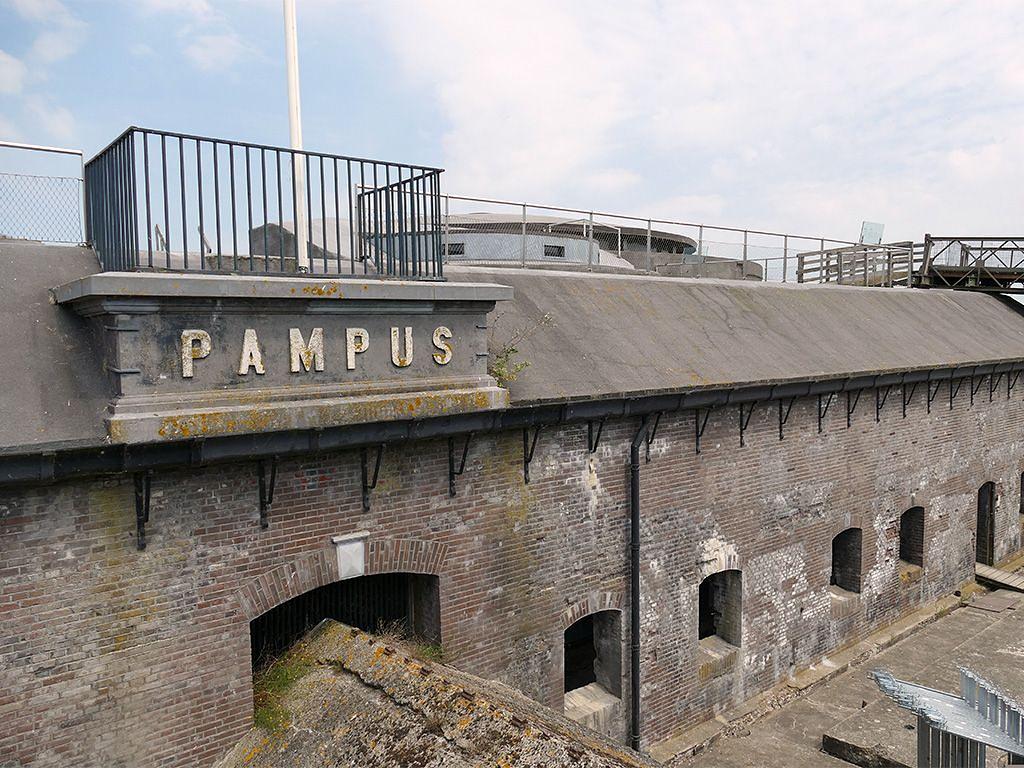
Fort Island Pampus lies in the middle of the IJmeer and is part of the Defence Line of Amsterdam, a 19th-century system of fortifications listed as a UNESCO World Heritage Site. The fort was built to protect the entrance to Amsterdam and stands on an artificial island in the water. Today, you can visit the island and discover how soldiers once lived and worked here. A ferry departs from the quay to the island, making the visit feel like a small adventure.
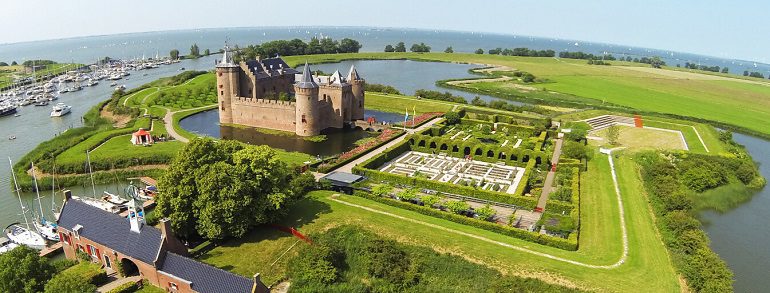
Muiderslot
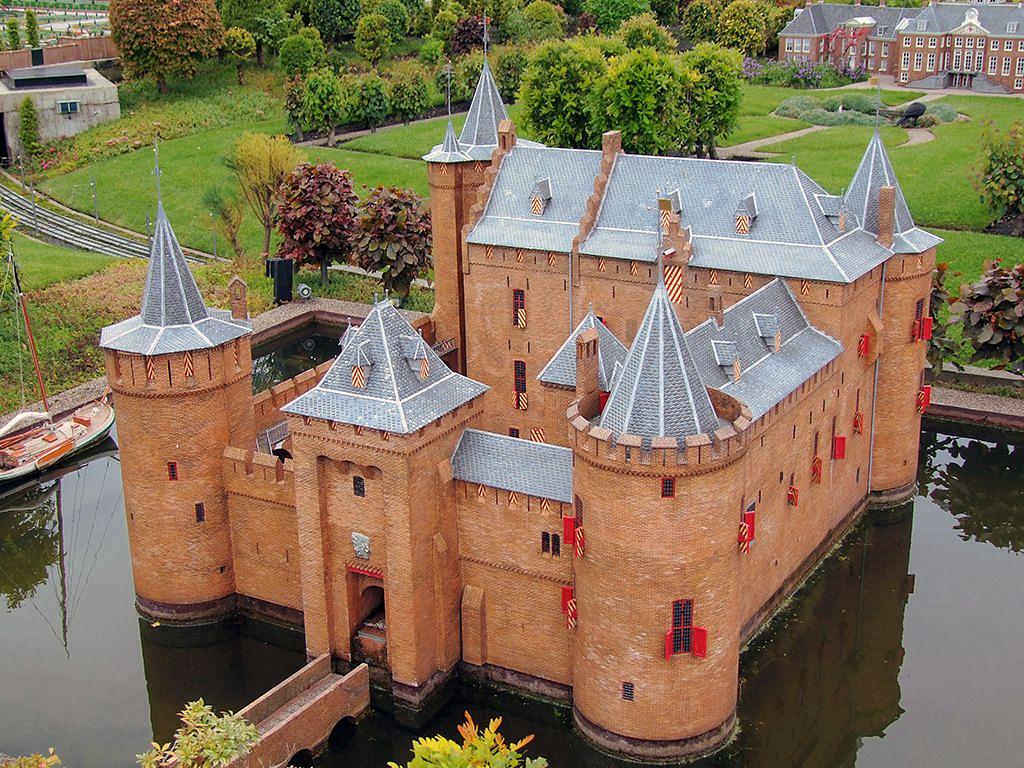
Muiderslot Castle is one of the best-known castles in the Netherlands and dates back to the 13th century. The castle was built to guard the mouth of the River Vecht and played an important role in defending the region for centuries. Today, you can visit the castle and its gardens and get a good impression of life in the Middle Ages. From the castle walls, you have views over the water and the historic town of Muiden.