Fifty Years of Freedom by the Water
From Municipal Hippie Campsite to Steward-Owned City Campsite
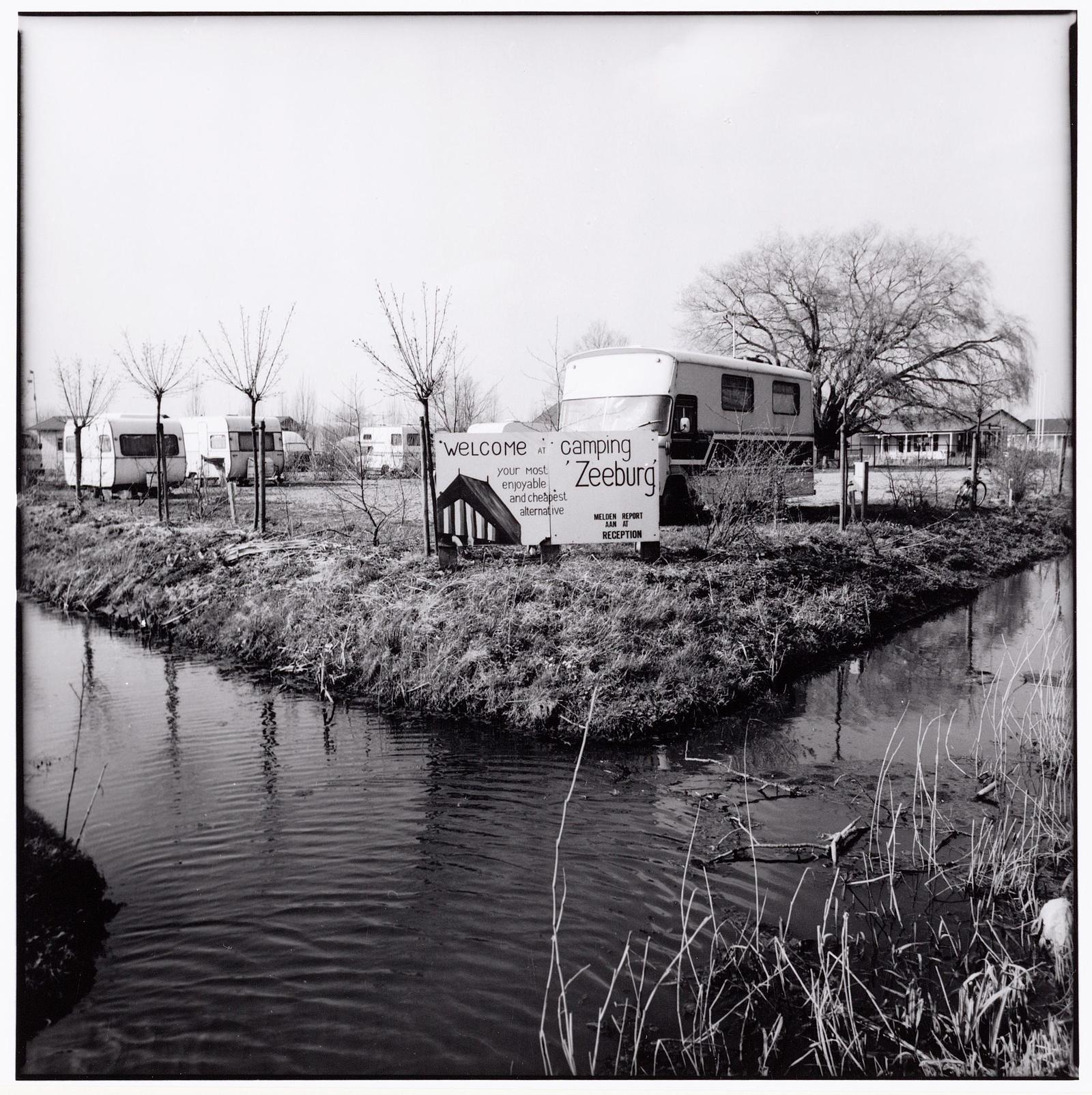
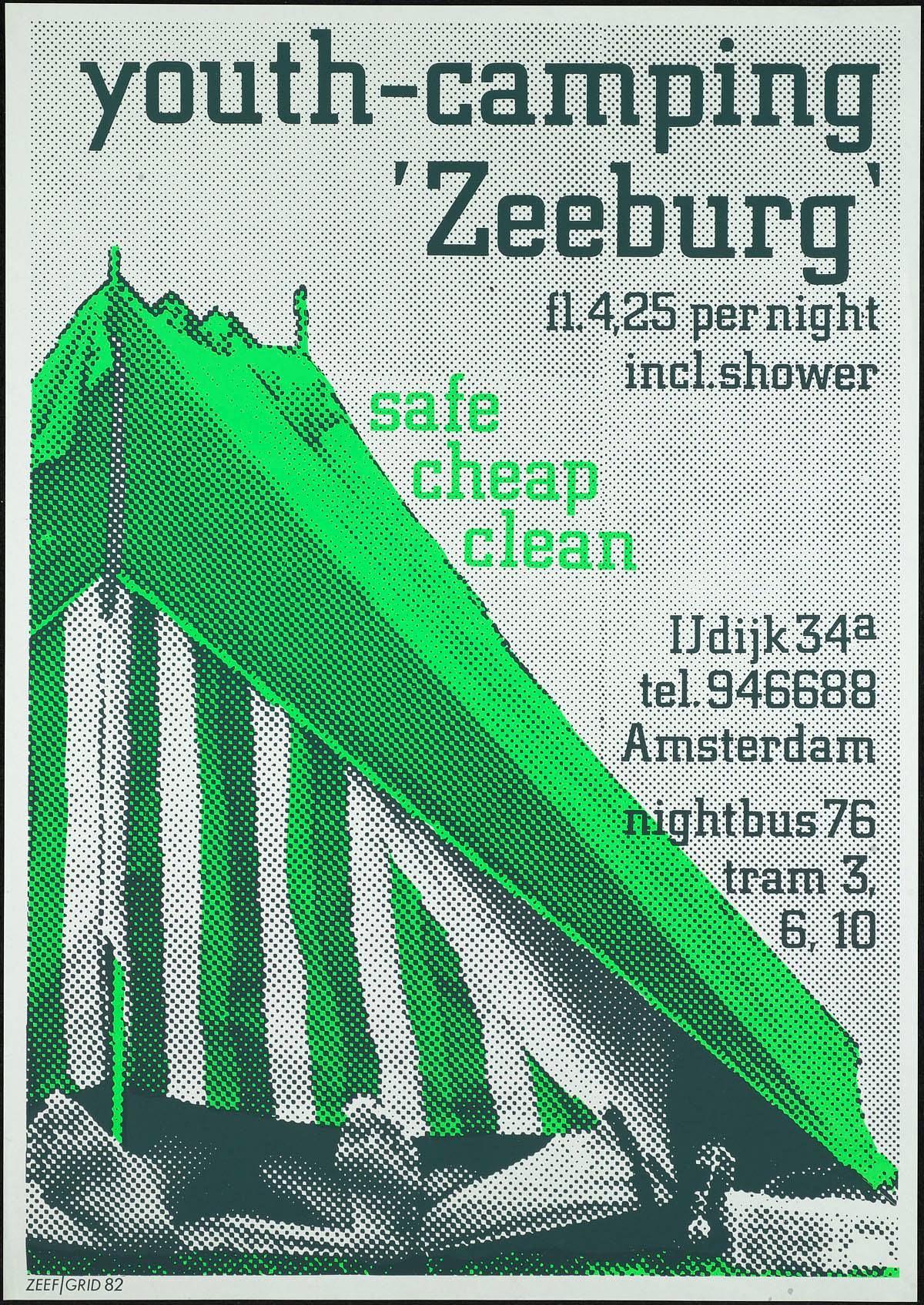
The story of Camping Zeeburg begins in the hippie era. In the 1970s, Amsterdam was filled with young travellers who rolled out their sleeping bags on Dam Square and in the Vondelpark. To offer them a place to stay outside the city centre, the Municipality of Amsterdam opened Camping Zeeburg in 1974 on the Zuiderzeeweg. What started as a simple municipal campsite for budget travellers grew into one of Amsterdam's most distinctive places to stay.
A place where freedom, hospitality and a healthy dose of Amsterdam's independent spirit have set the tone for more than fifty years.
Where Being Different Was Normal
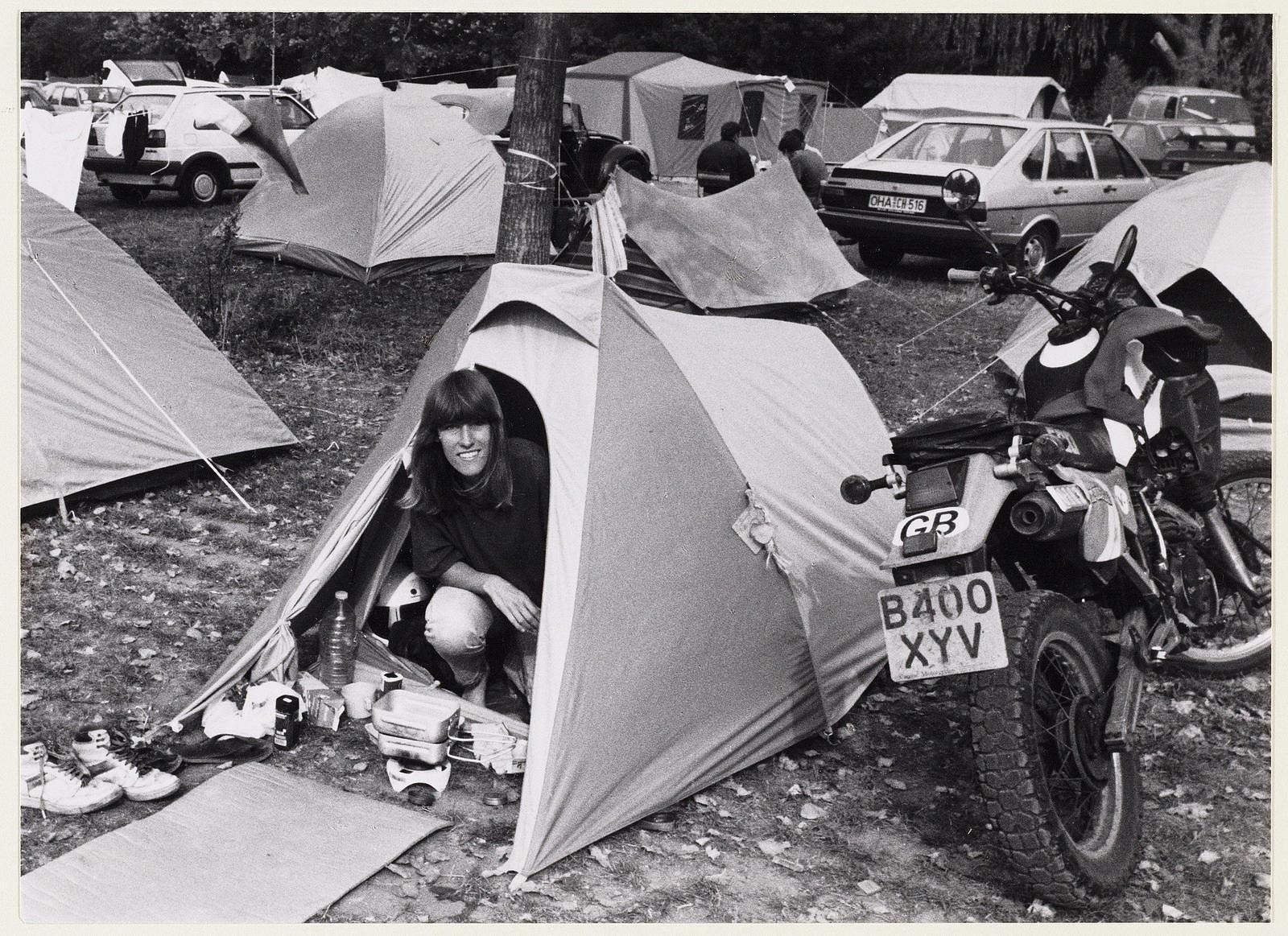
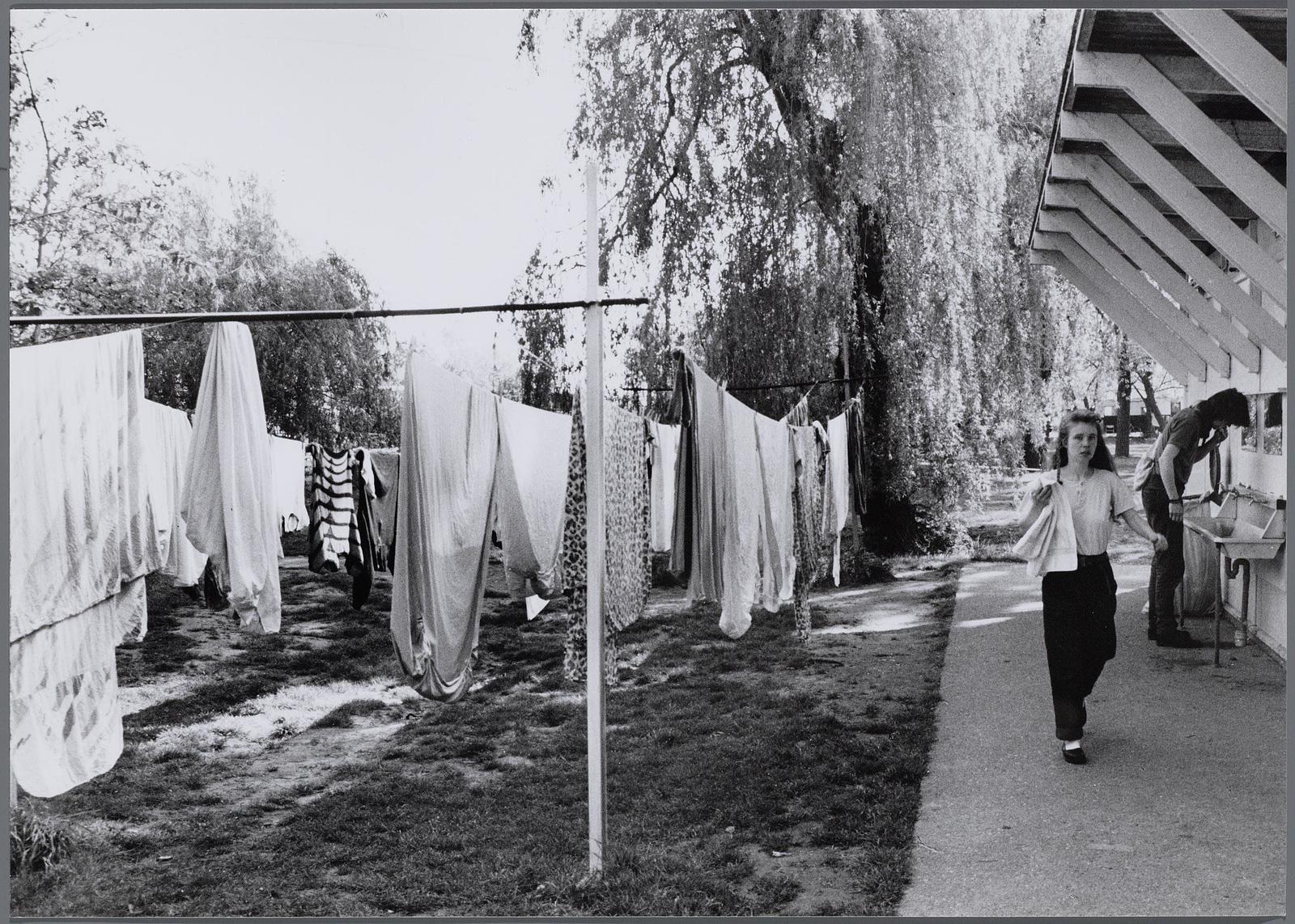
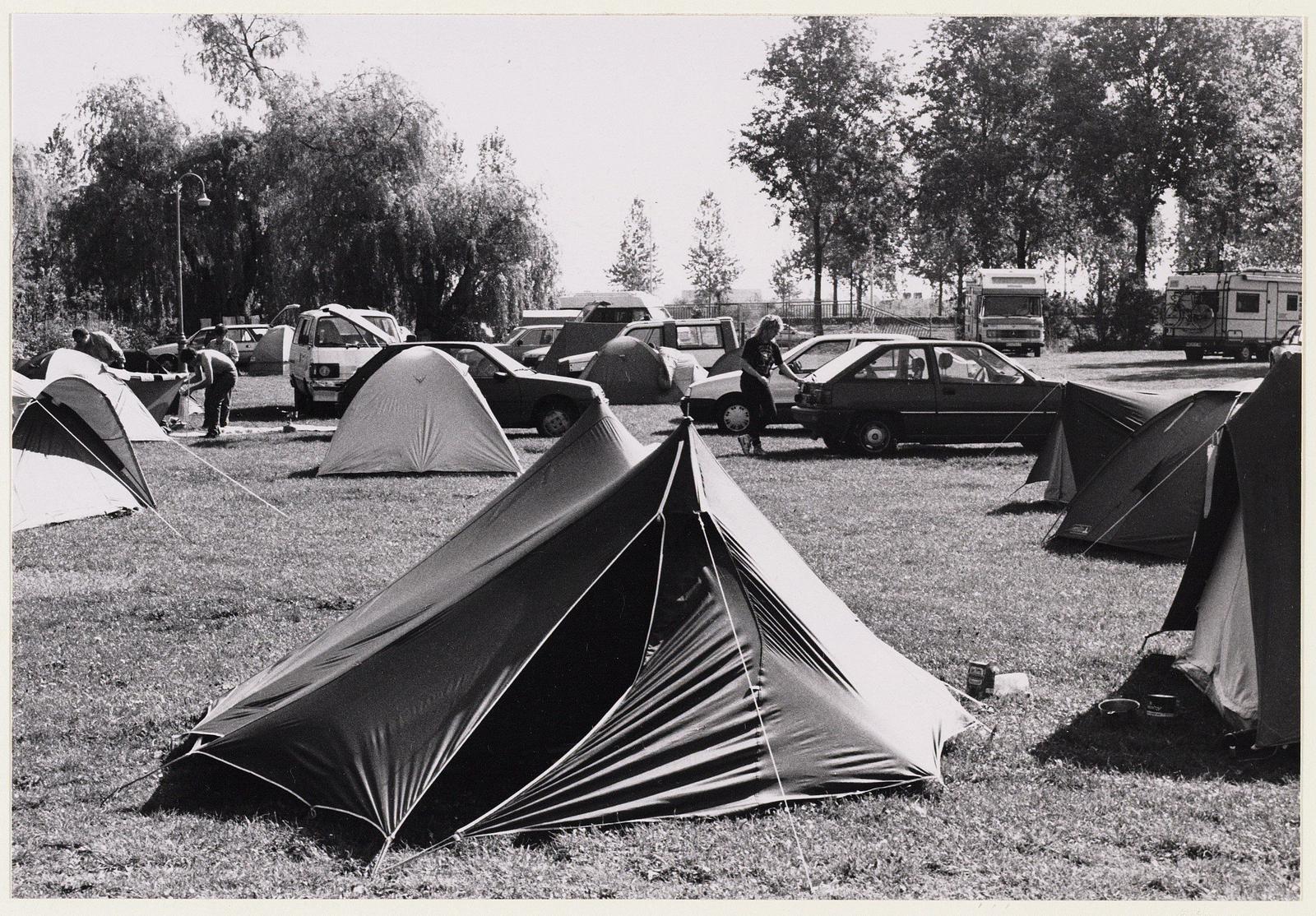
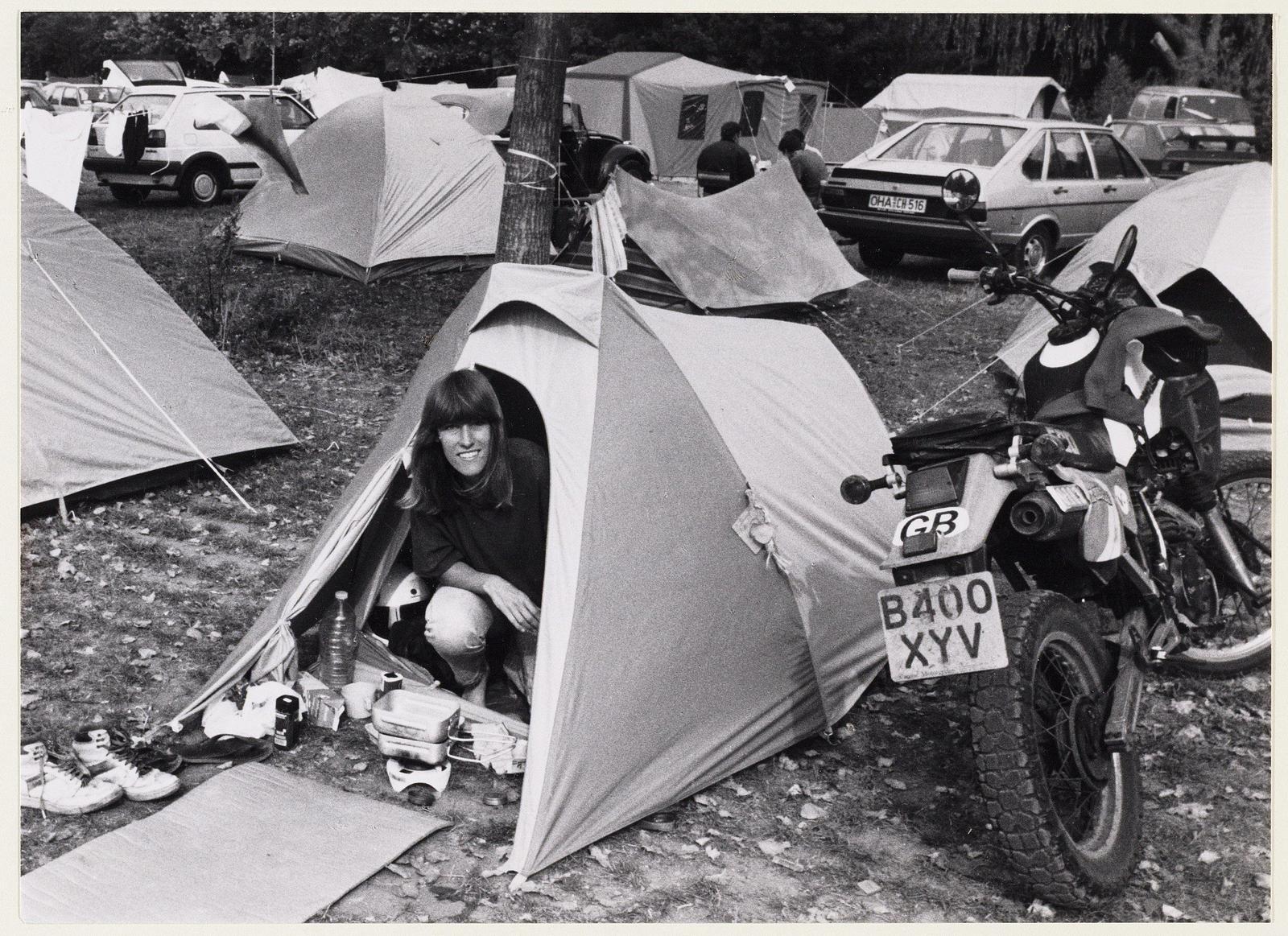
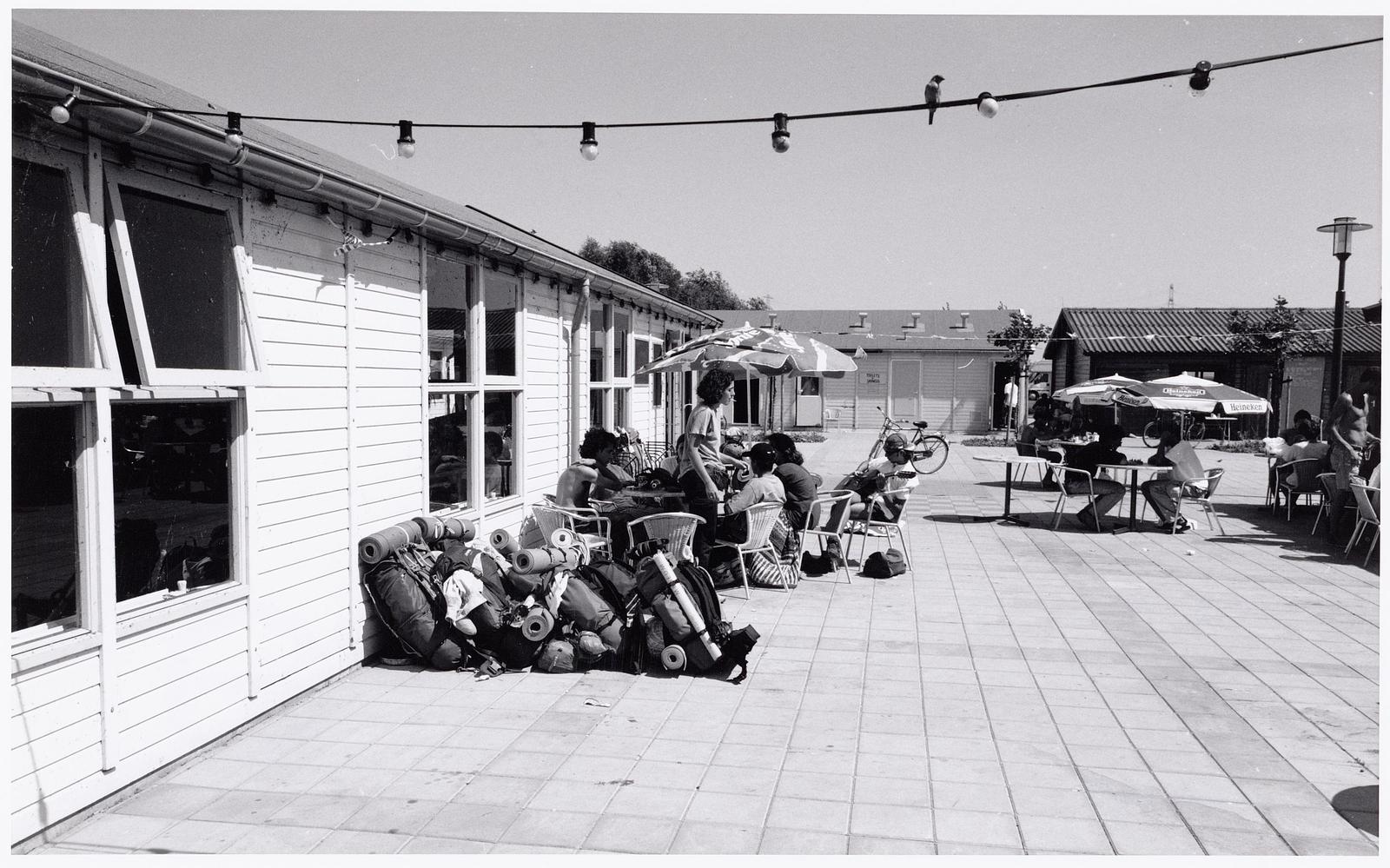
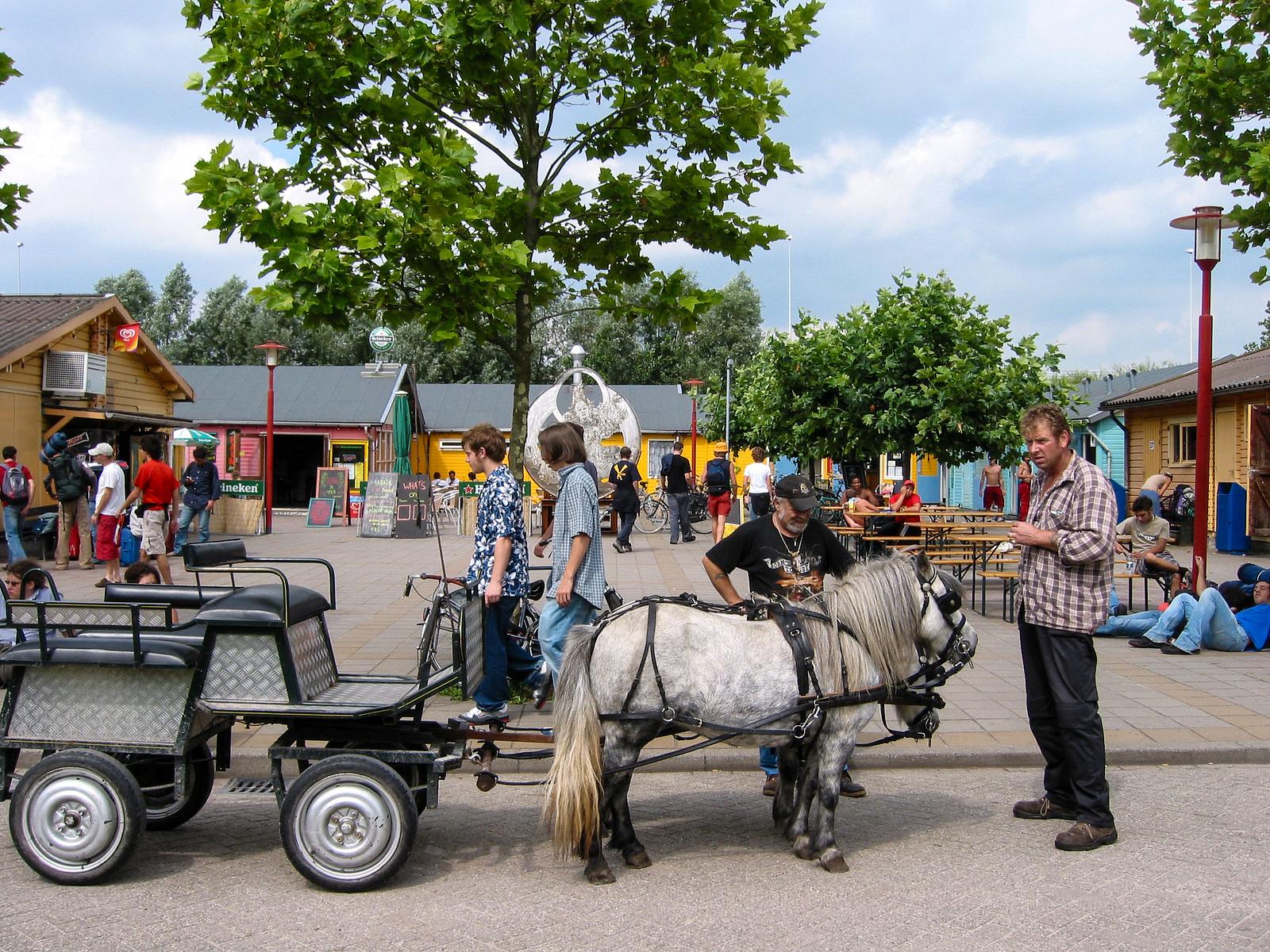
From the very beginning, Zeeburg felt different. Less organised, with fewer rules, but all the more welcoming because of it. At a time when hippies, squatters, artists and alternative movements helped shape Amsterdam's identity, Camping Zeeburg fit right in. Young travellers from around the world found a place where freedom and tolerance came naturally. Backpackers, artists and free spirits felt at home here. What was considered unconventional elsewhere was simply part of everyday life at Zeeburg. Diversity wasn't something to be managed, it was part of the atmosphere.
In 1984, the Municipality of Amsterdam transferred the campsite to a foundation that provided work experience opportunities. During a period of high unemployment, Camping Zeeburg took on an important social role by offering people who struggled to find work the chance to gain valuable experience.
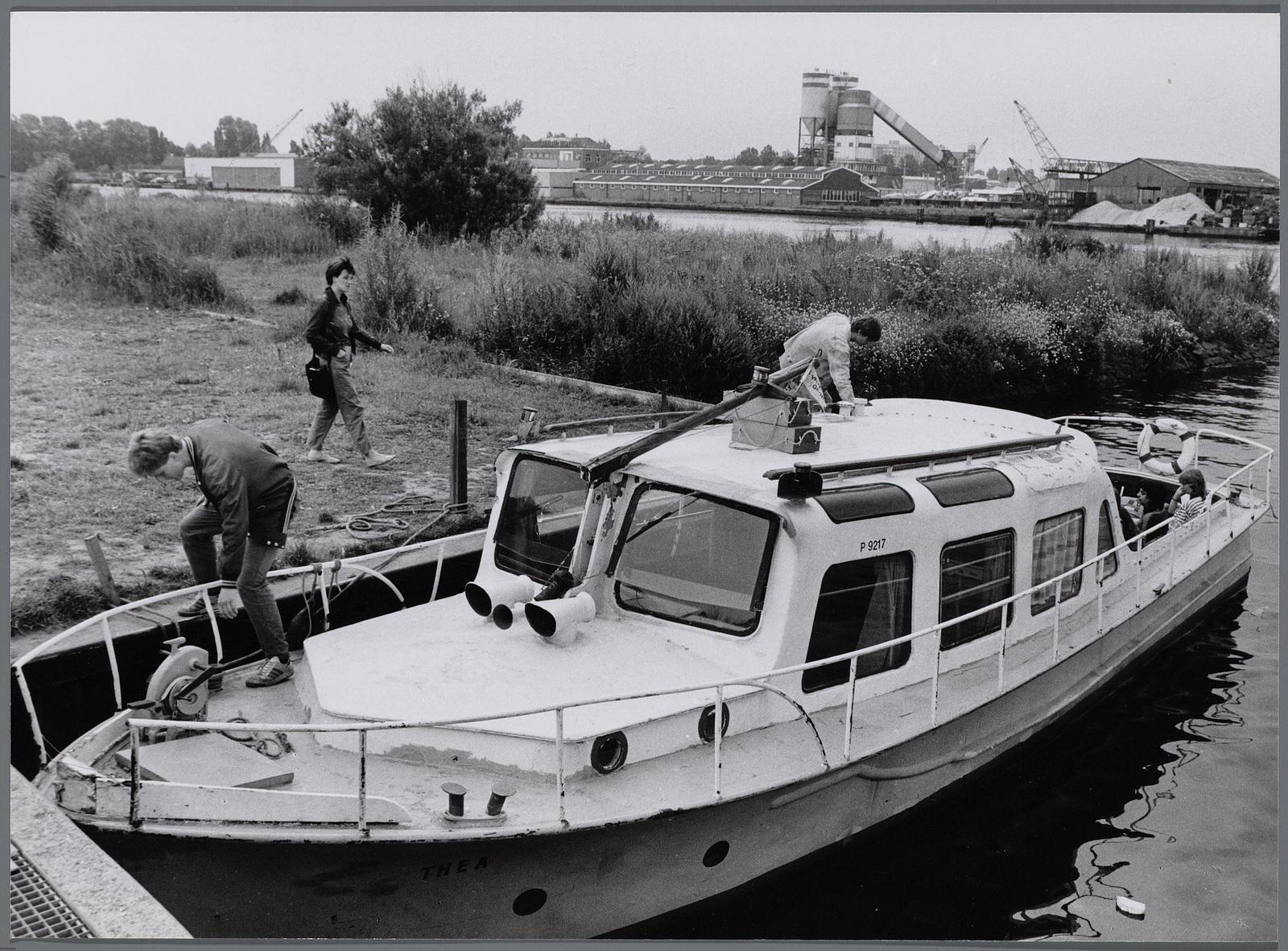
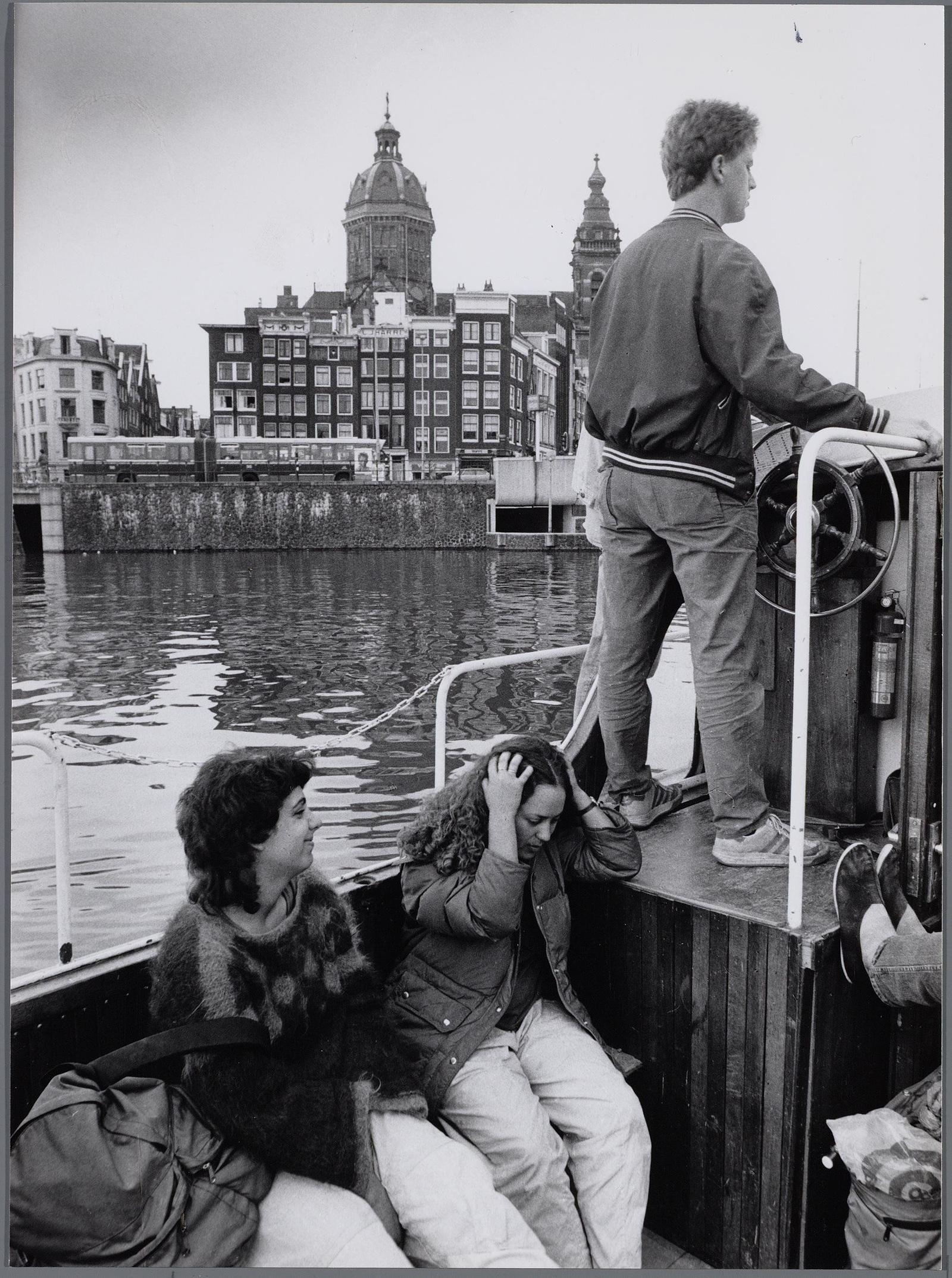
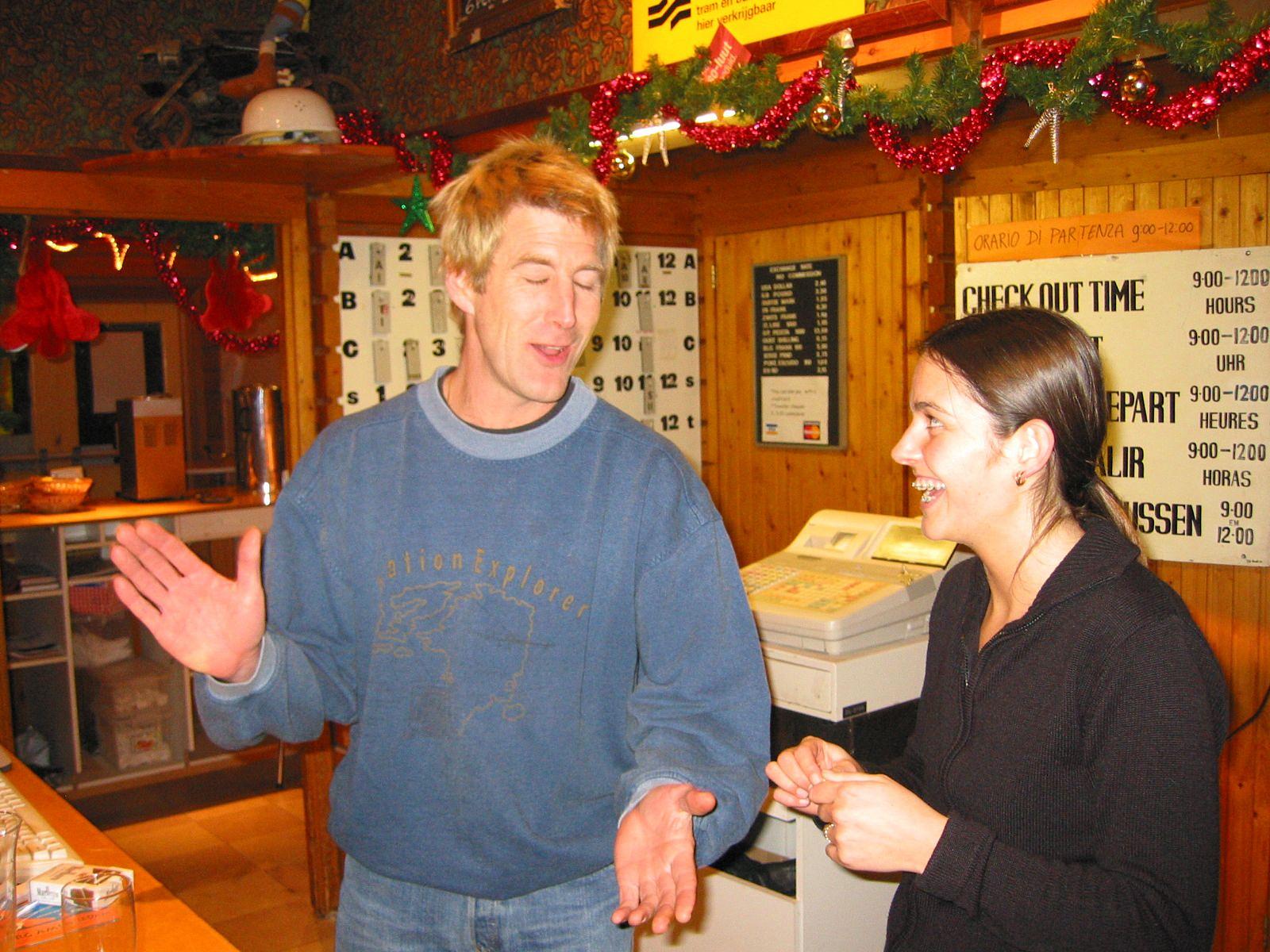
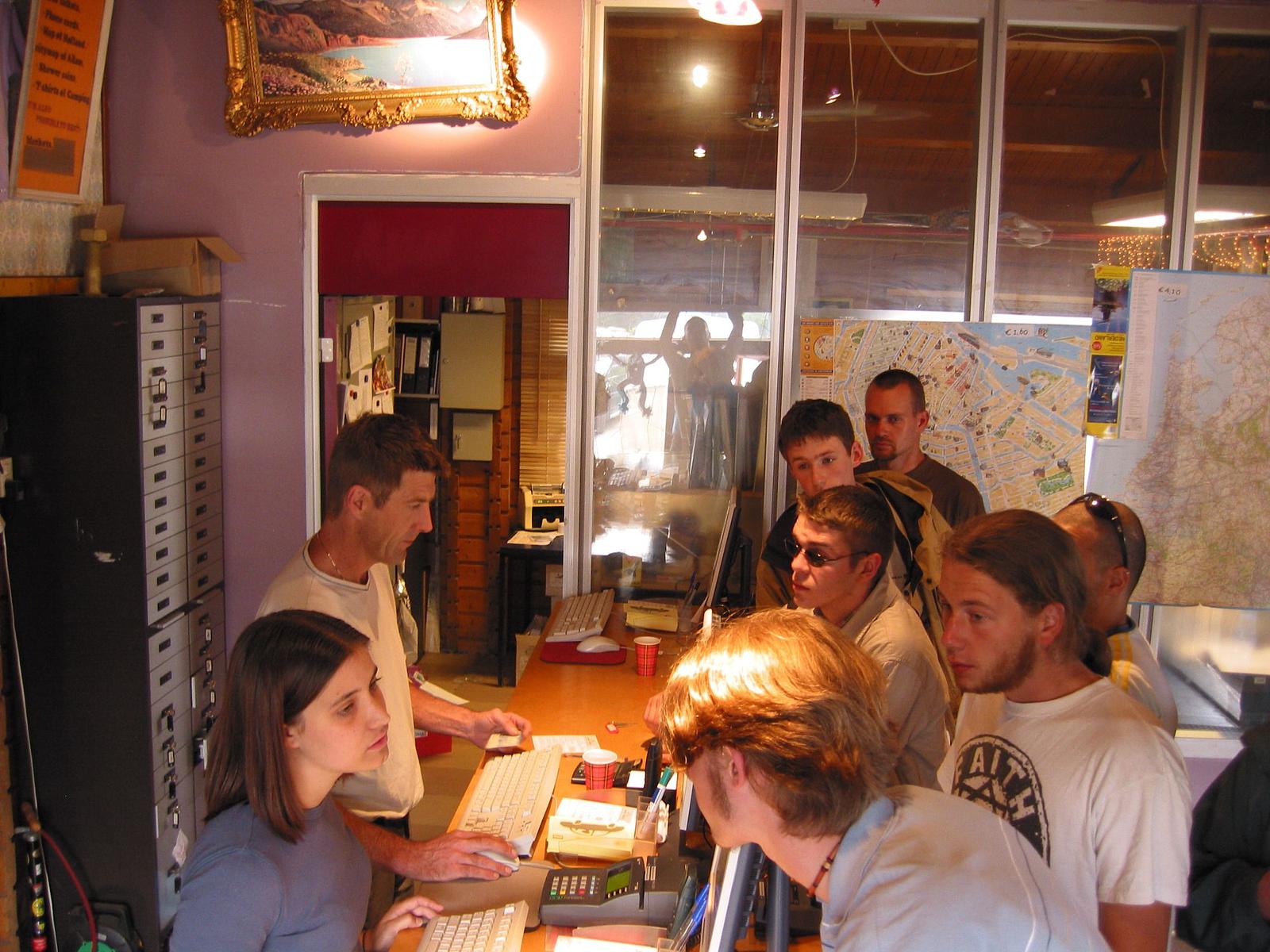
It was a true pioneering period. A small team of employees and volunteers ran the campsite with plenty of enthusiasm, creativity and determination. Everyone did a bit of everything: welcoming guests, preparing breakfasts, organising events, maintaining the grounds and solving whatever problems came their way. In the early years, guests were even transported from Amsterdam Central Station by ferry before a shuttle bus took over. Nobody had ever managed a campsite before, so much of it was learned through trial and error.
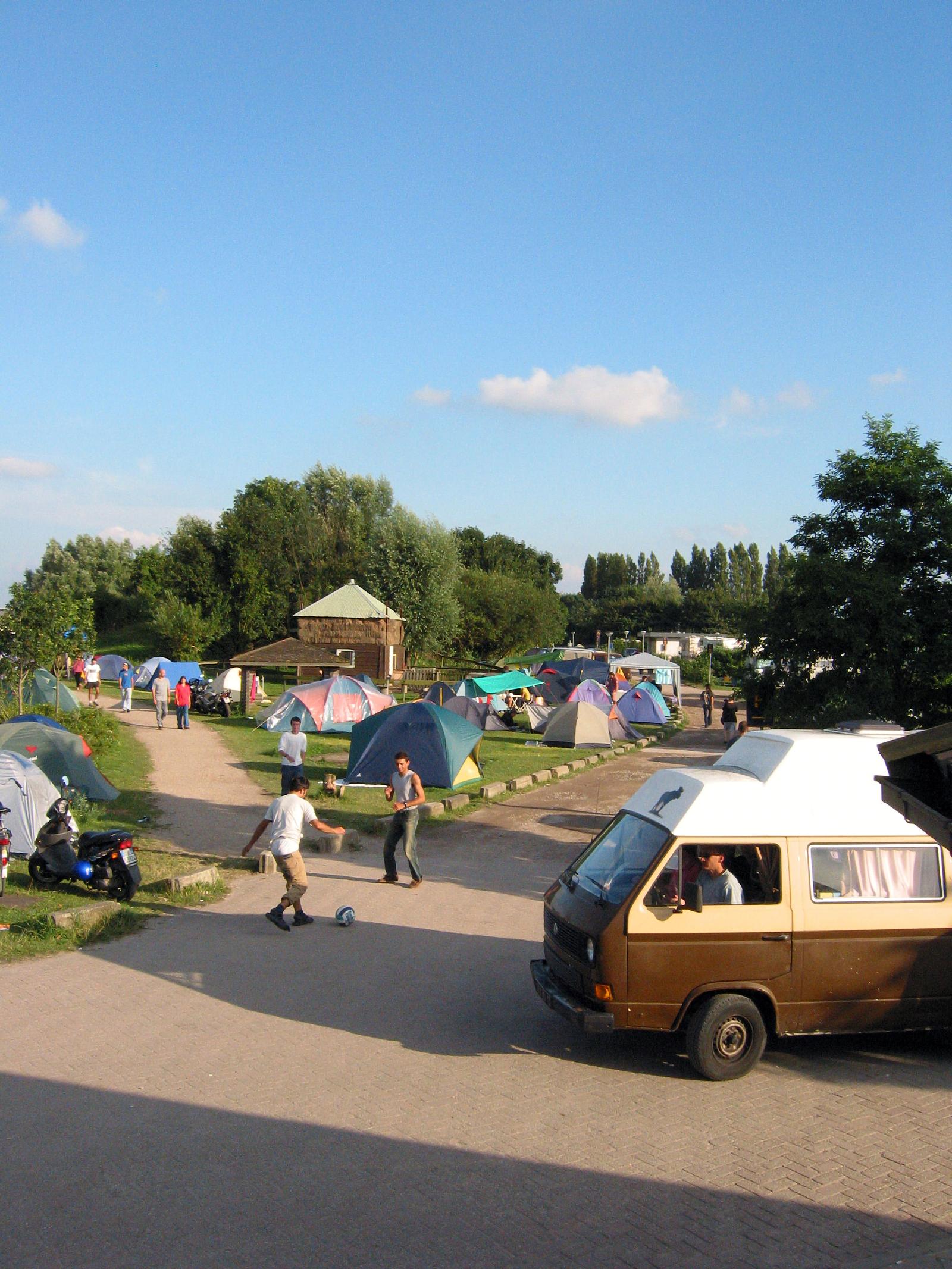
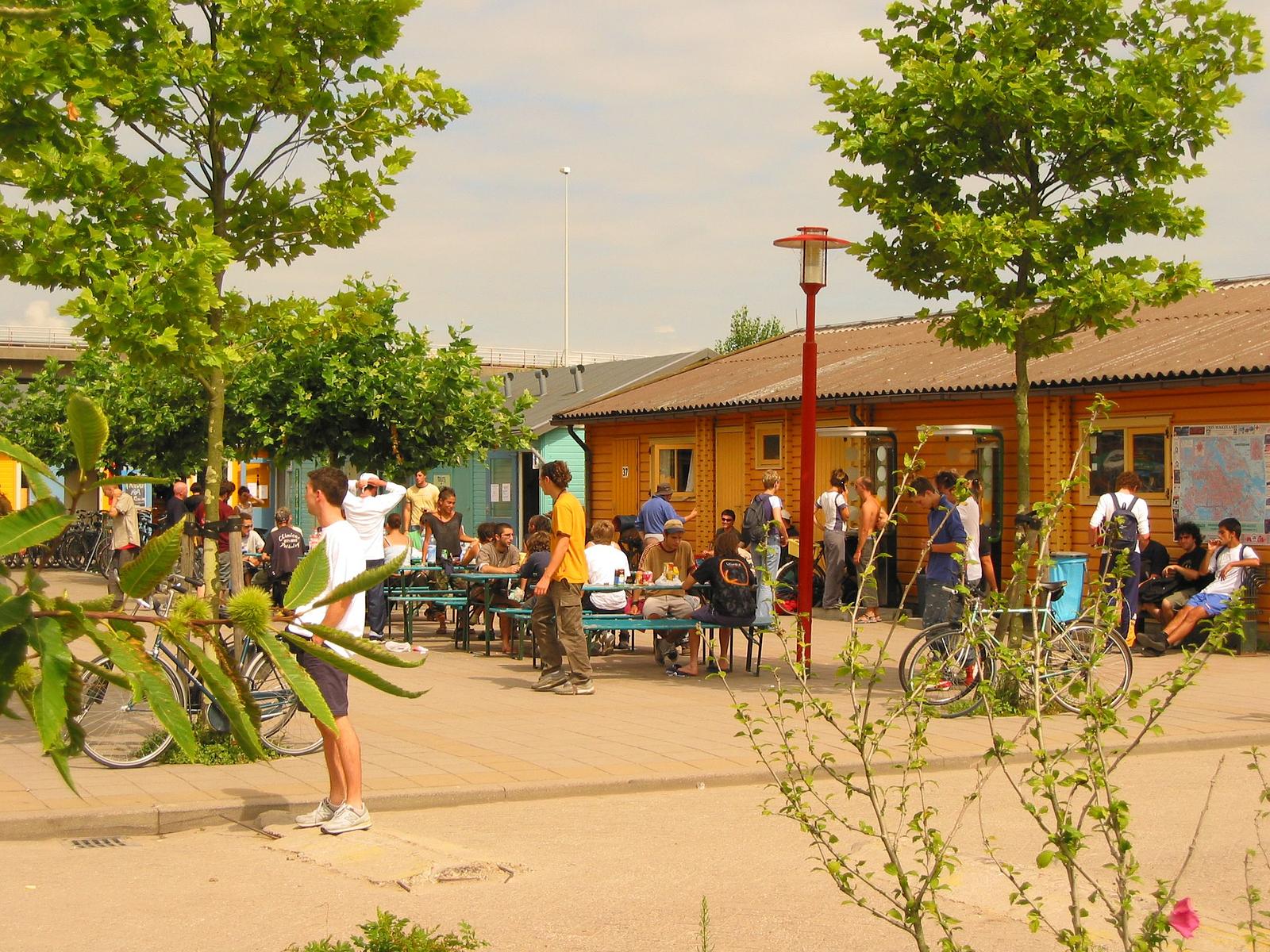
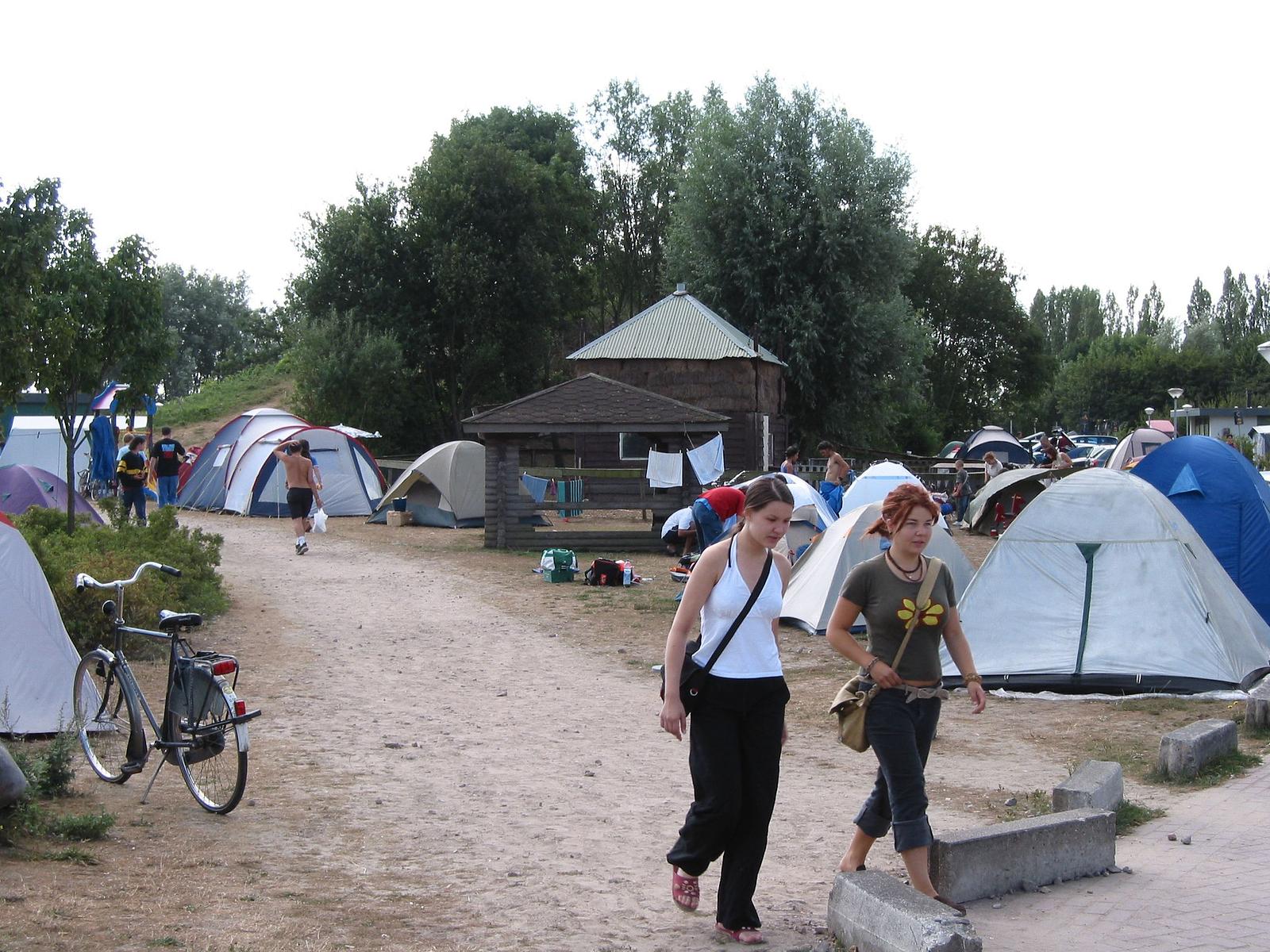
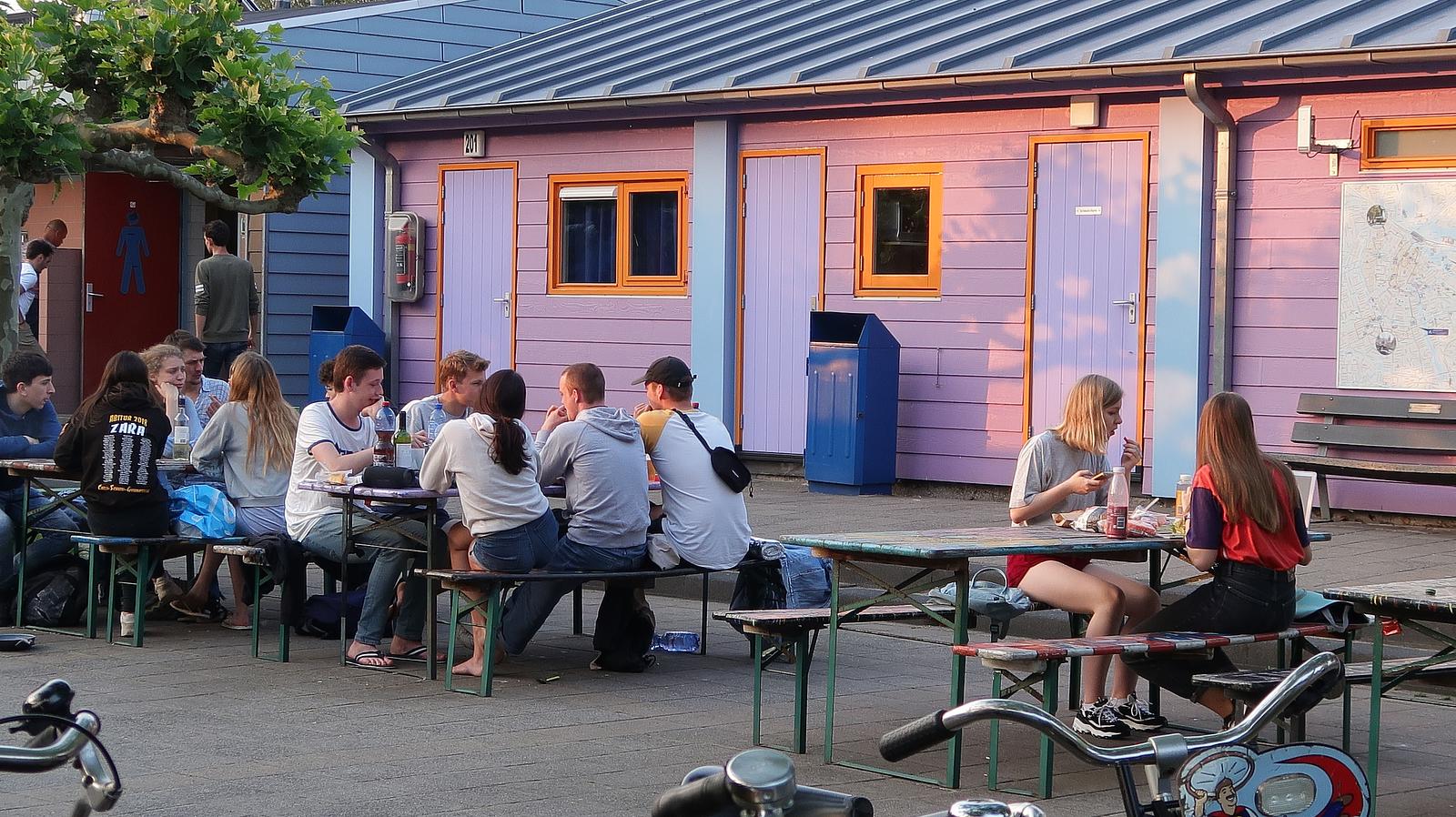
During these years, Camping Zeeburg became a popular low-budget campsite for young travellers. Live music evenings, campfires and long conversations at picnic tables brought together people from all over the world.
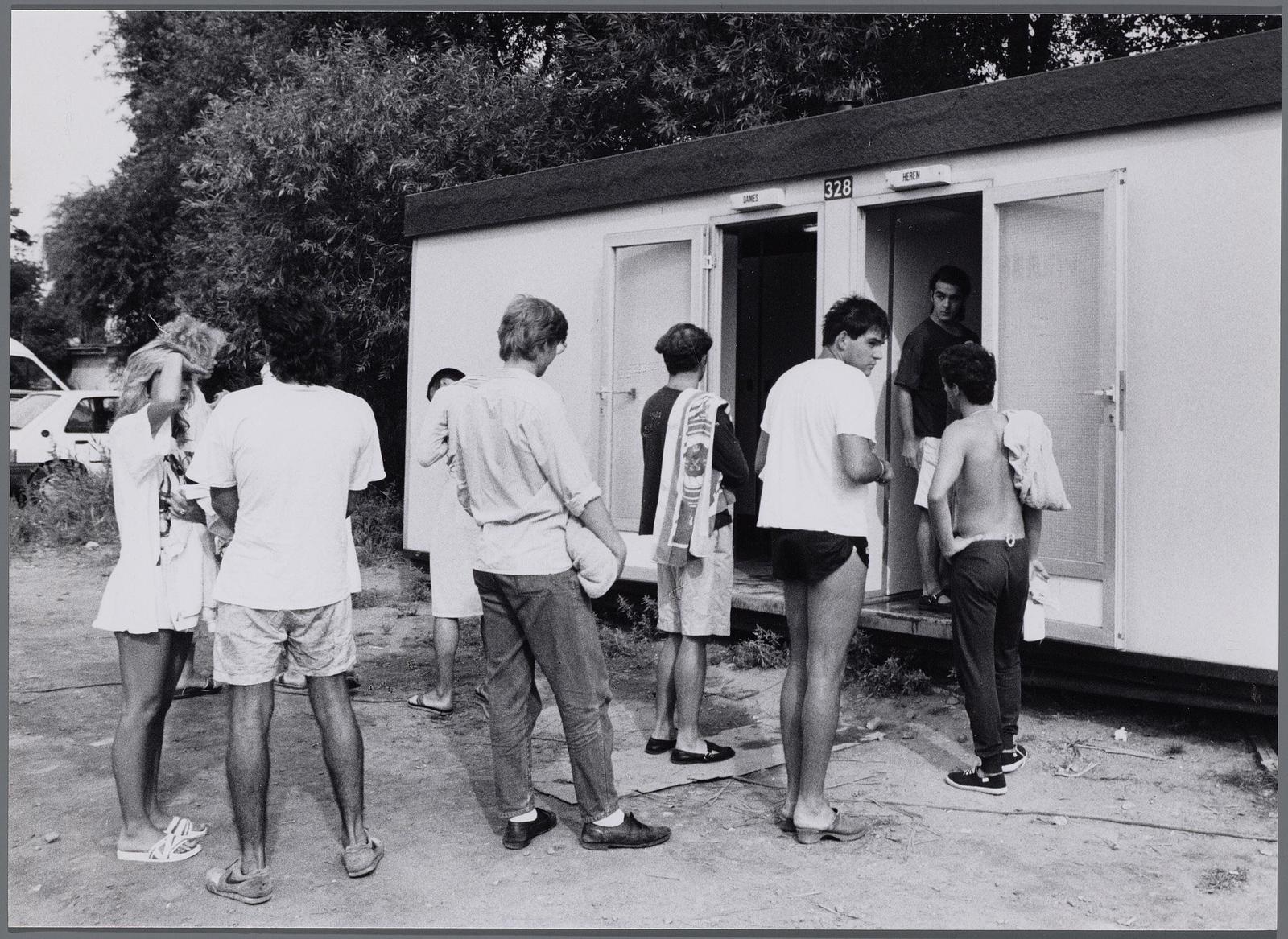
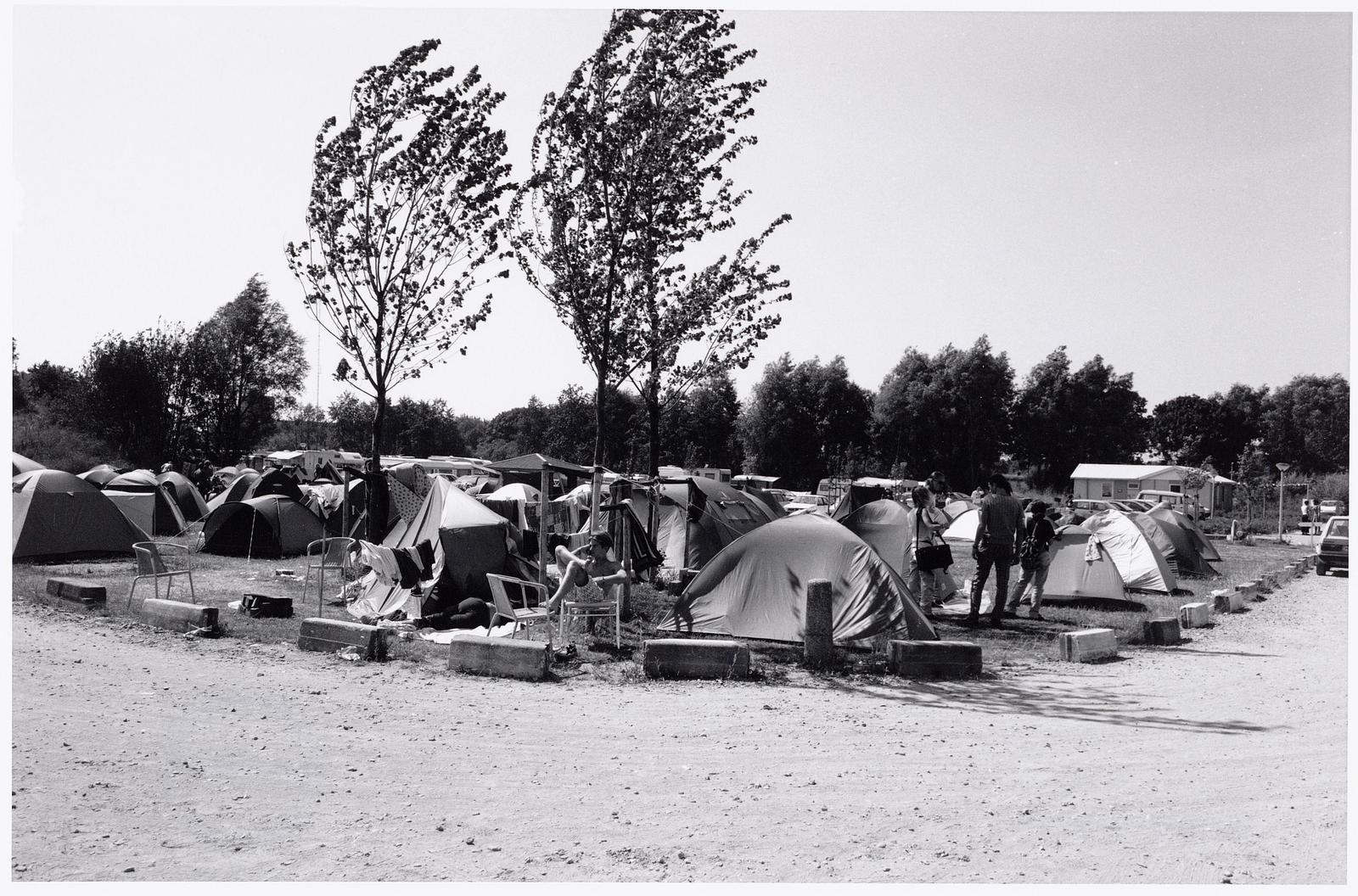
At the same time, Amsterdam's camping landscape was changing. Camping Het IJsbaanpad relocated to what would later become Camping Gaasper, now Camperpark Amsterdam. Meanwhile, Zeeburg increasingly established itself as an open and affordable place for young travellers, attracting more and more visitors. The facilities didn't always keep pace with this rapid growth, but the relaxed and colourful atmosphere more than made up for it. It was during these years that Camping Zeeburg developed the character it is still known for today: a vibrant, welcoming and slightly unconventional place where everyone can be themselves.
A New Beginning
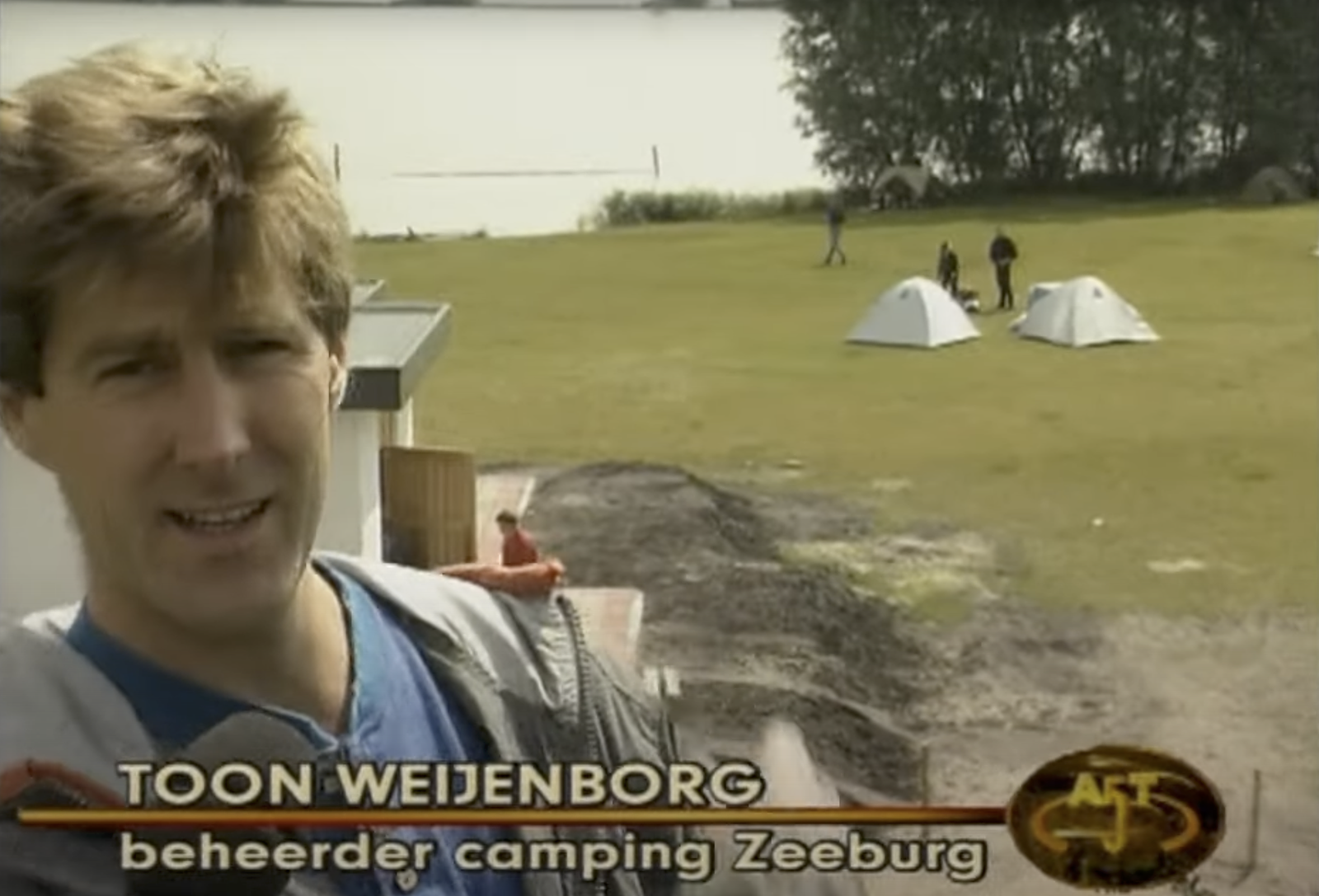
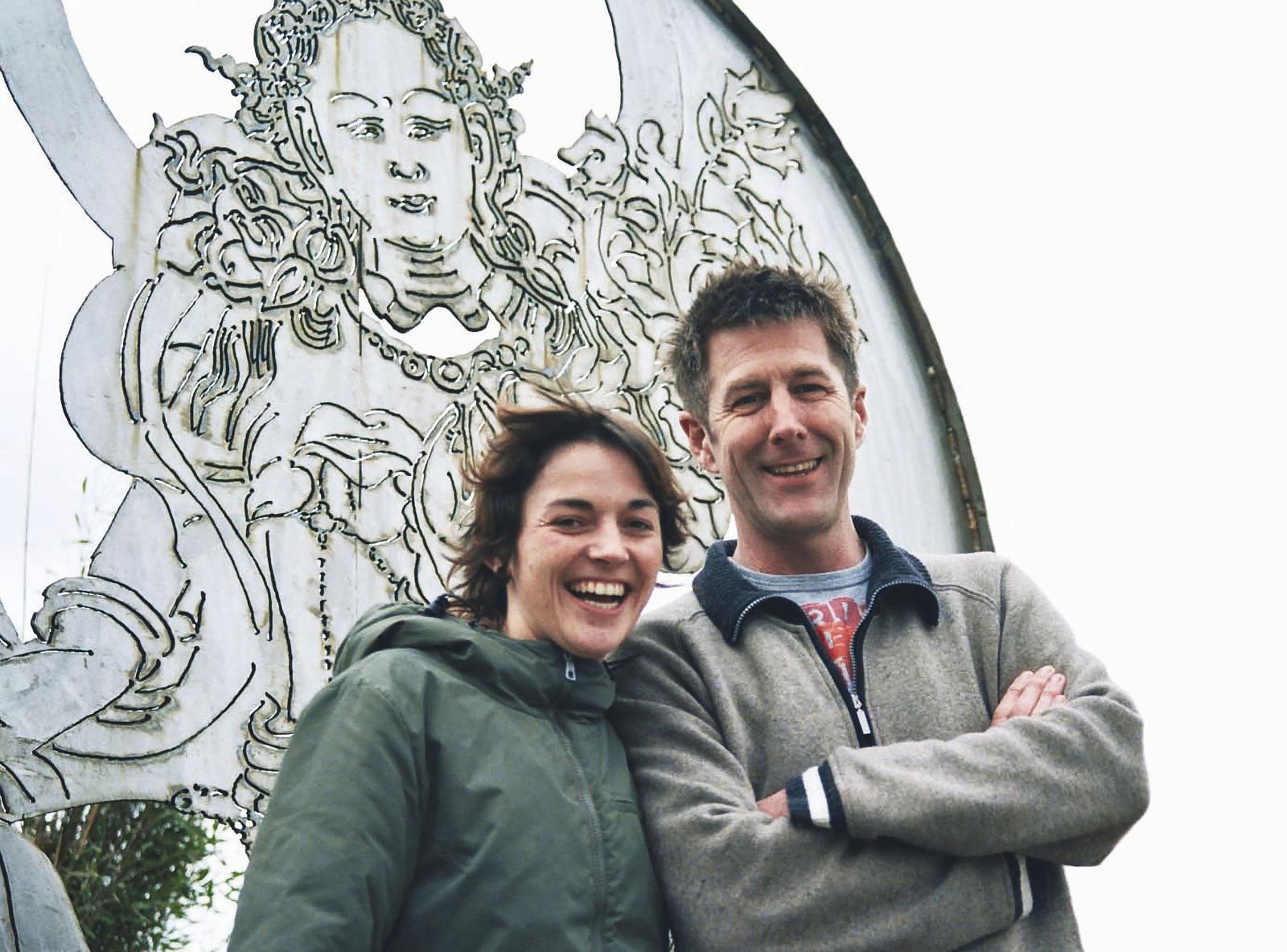
By the mid-1990s, Camping Zeeburg was facing difficult times and its future was uncertain. That was when Toon Weijenborg took over as the new campsite manager. Originally from the Dutch province of Brabant, he had spent several years working in Spain and saw opportunities where others saw only problems.
According to Toon, some of the long-term residents told him on his very first day that he wouldn't last a week. They were wrong.
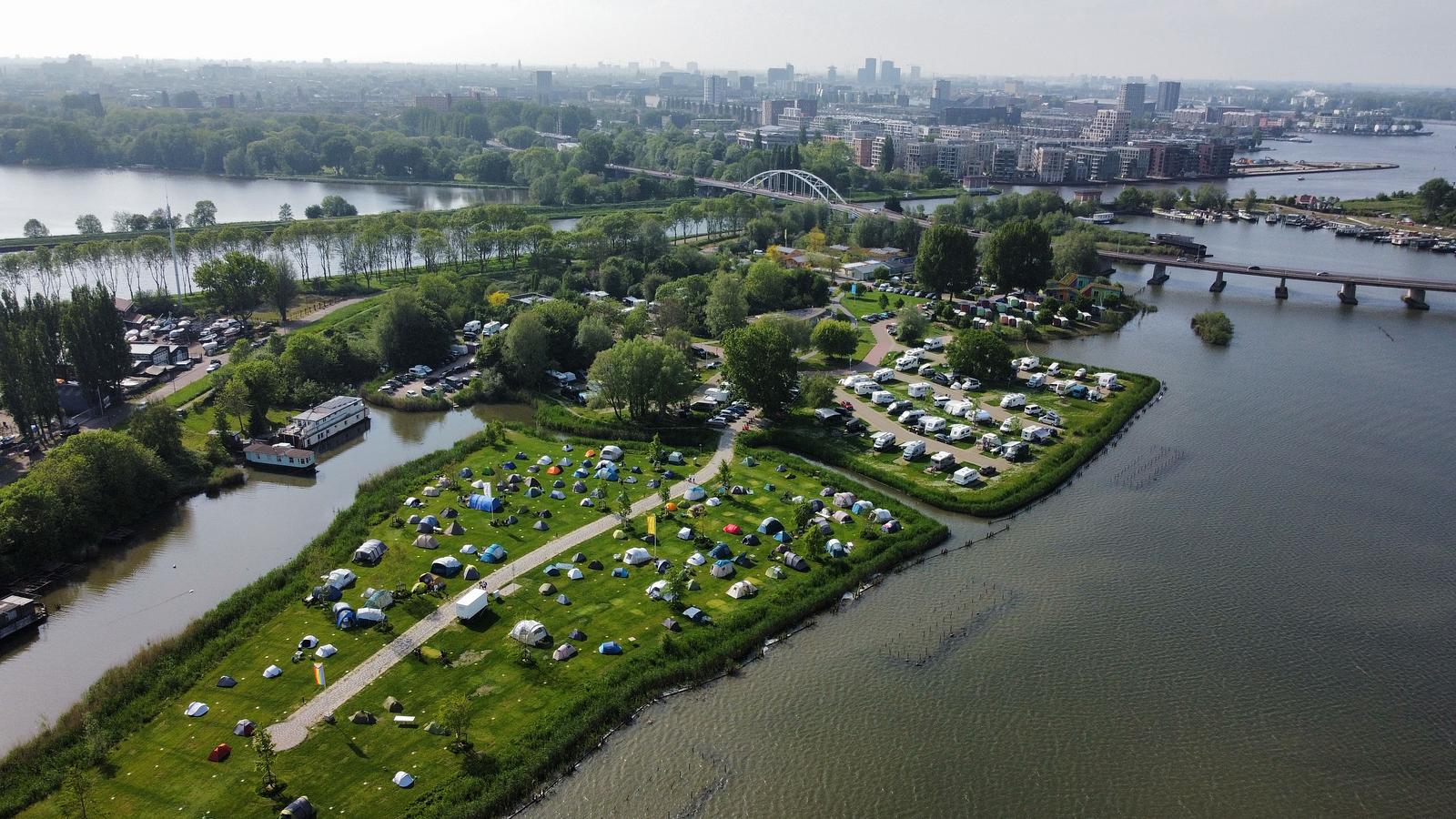
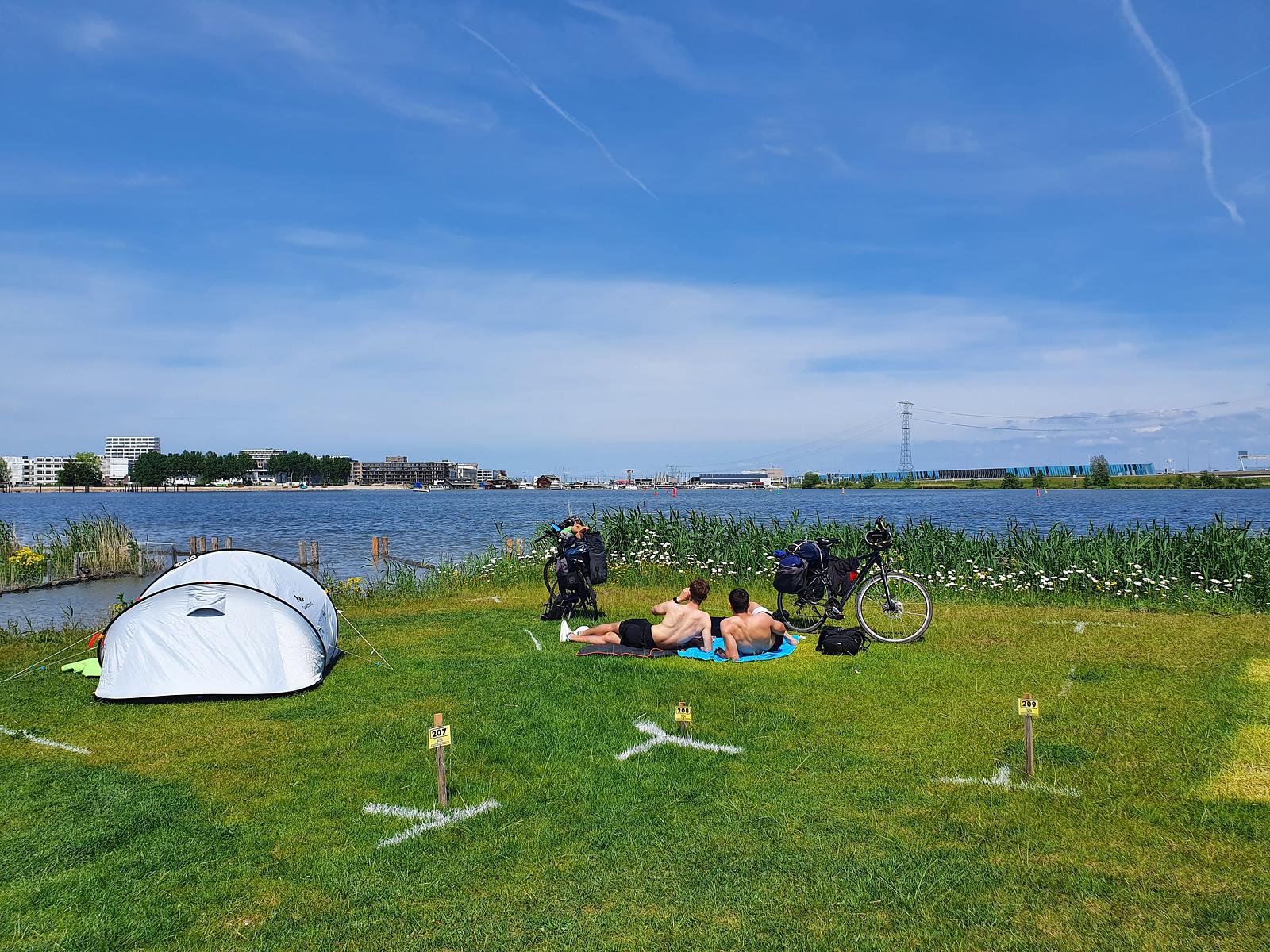
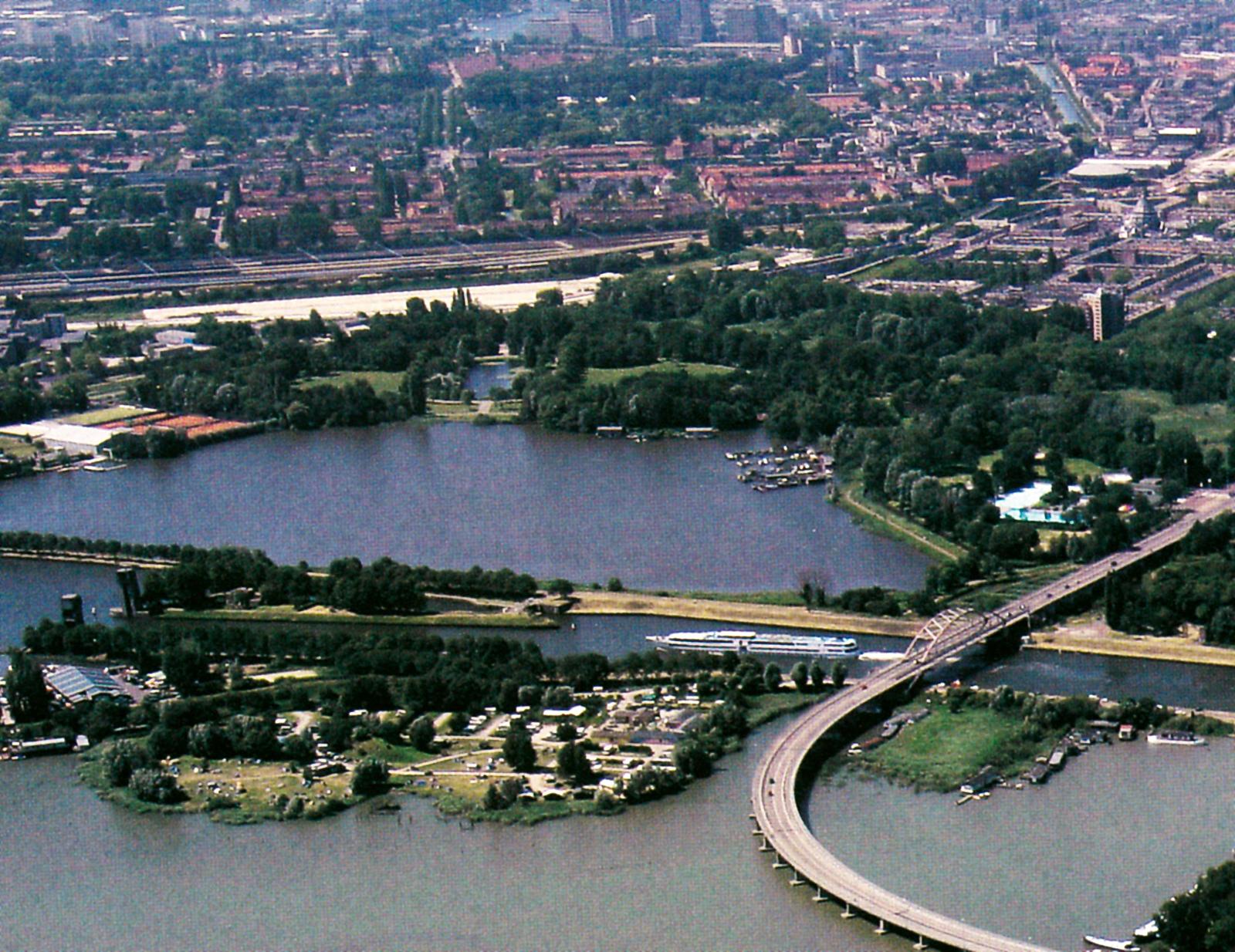
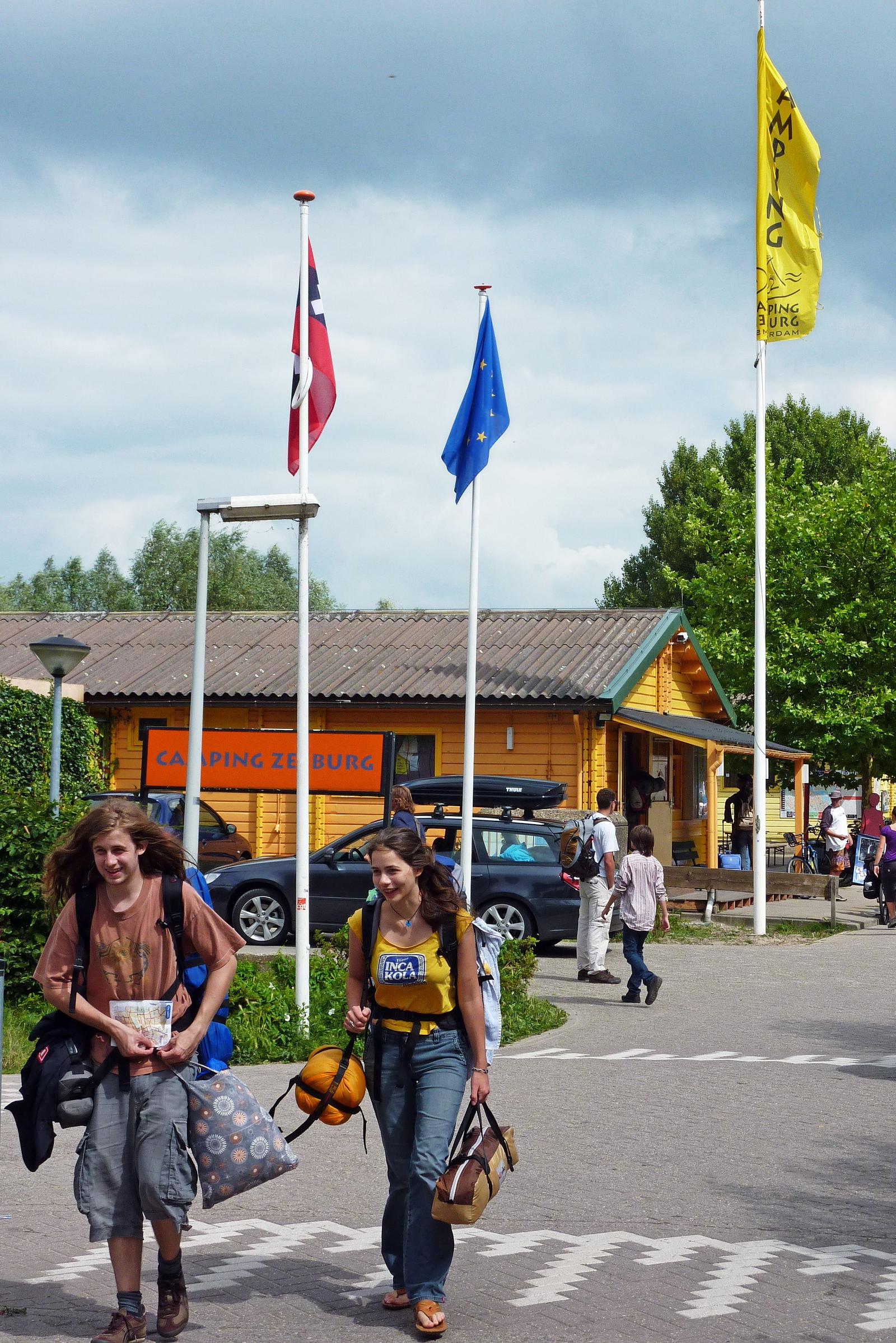
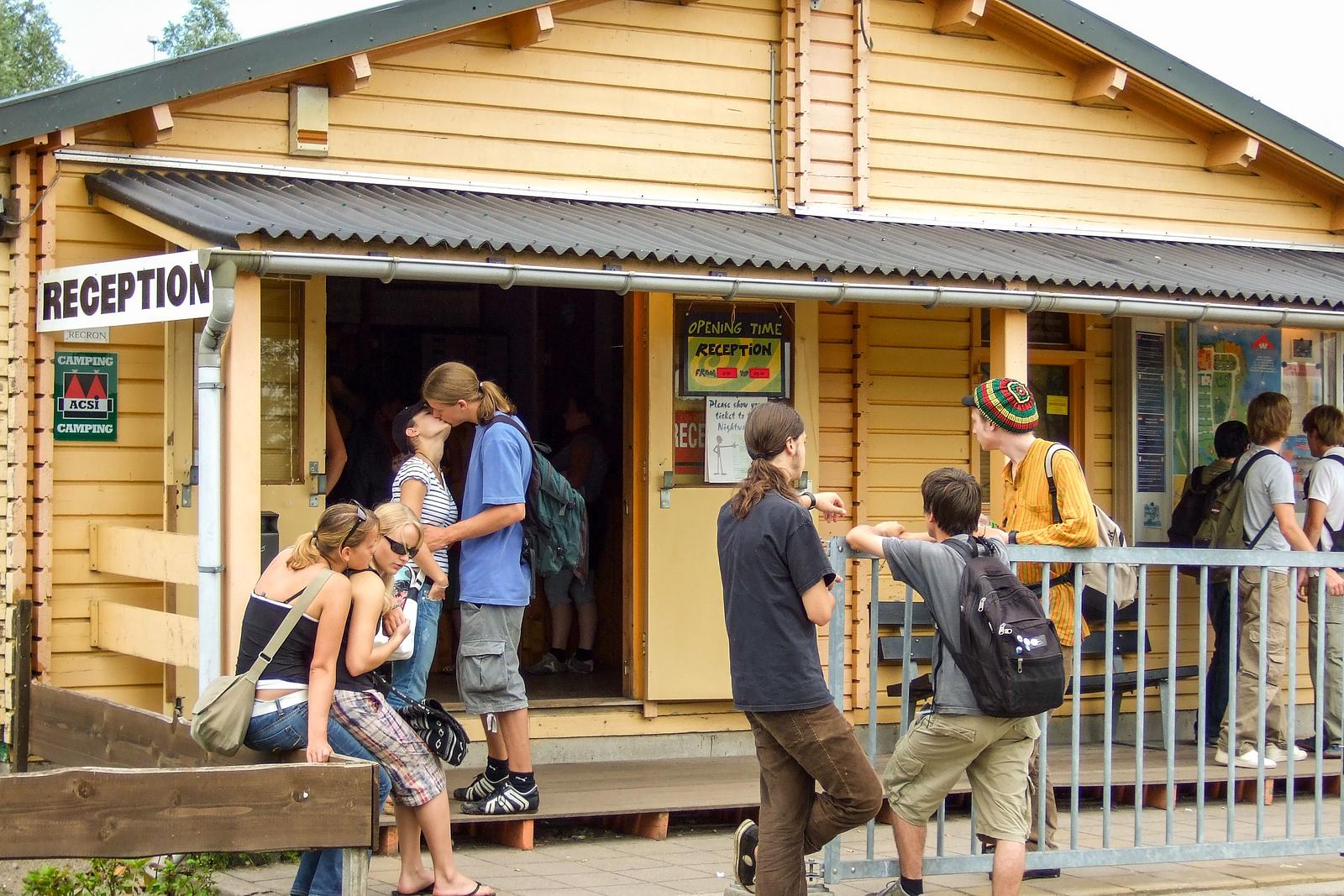
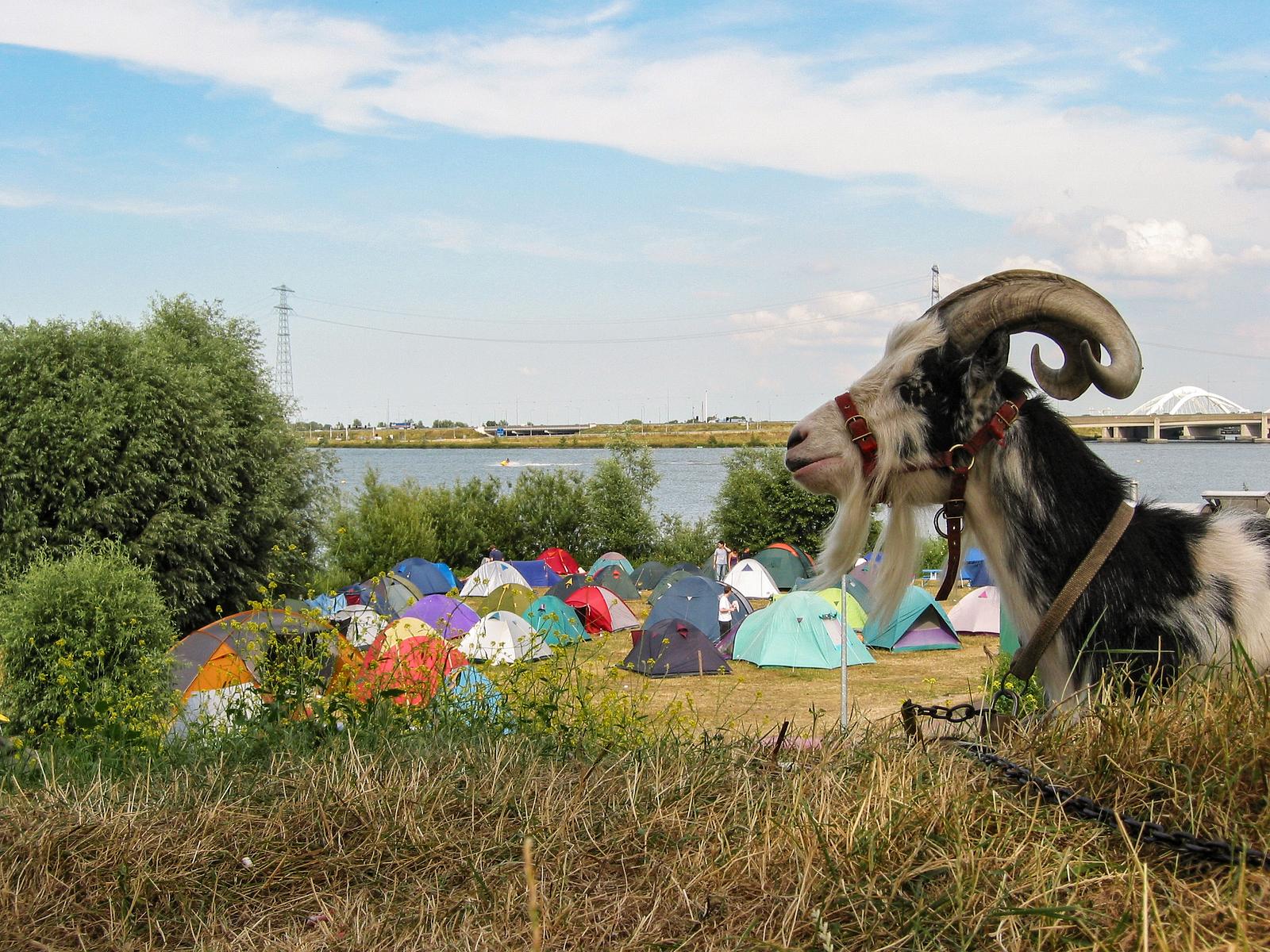
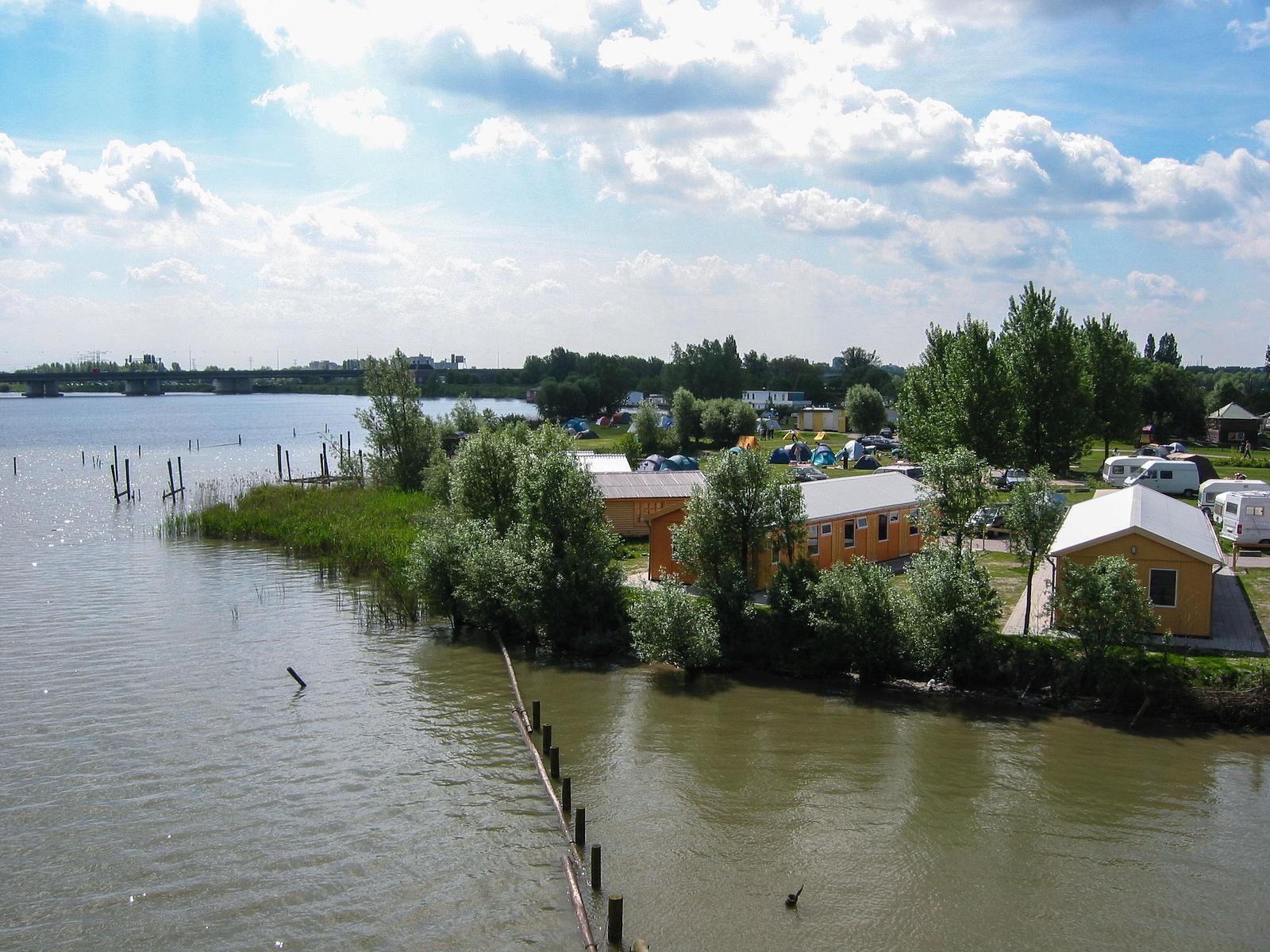
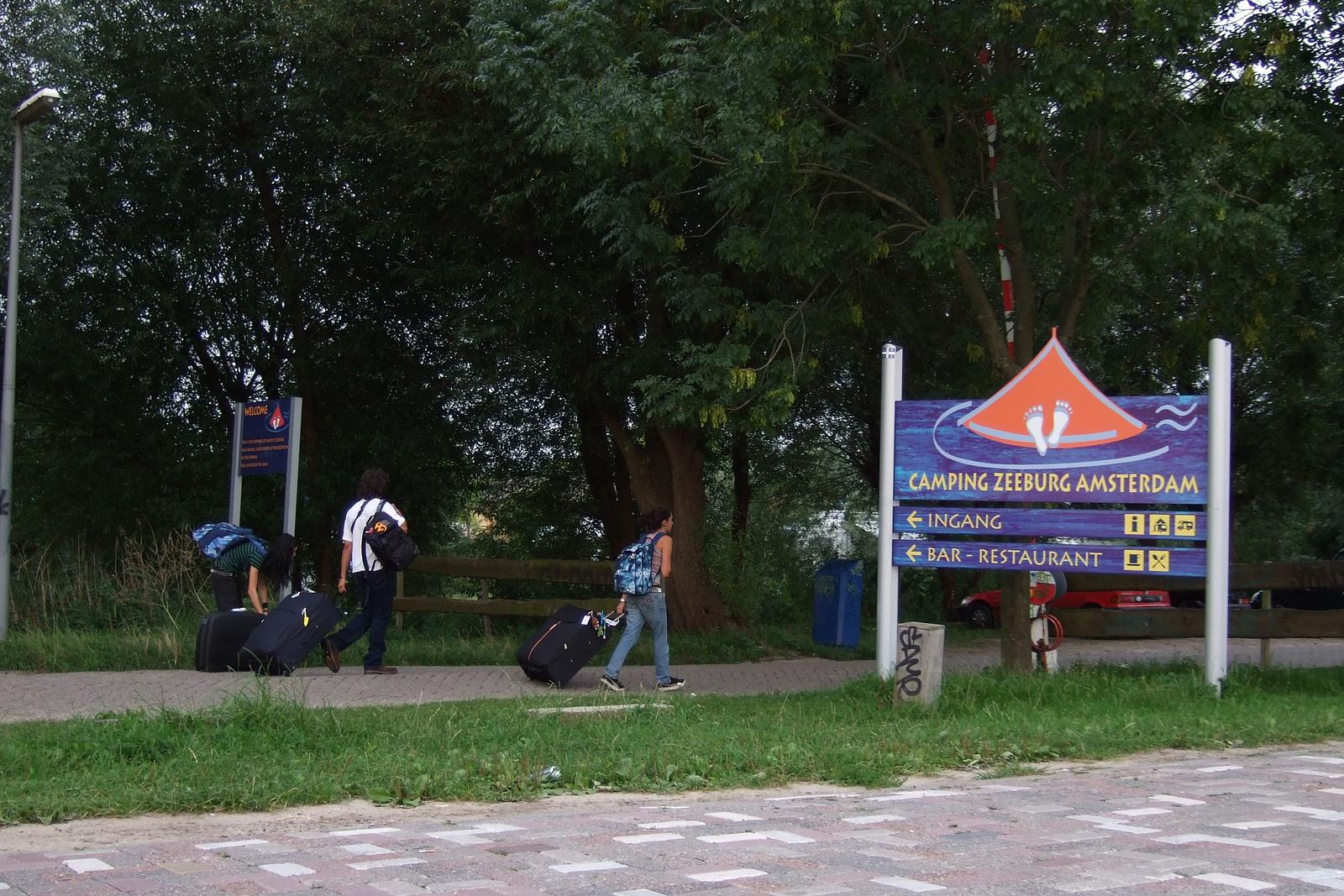
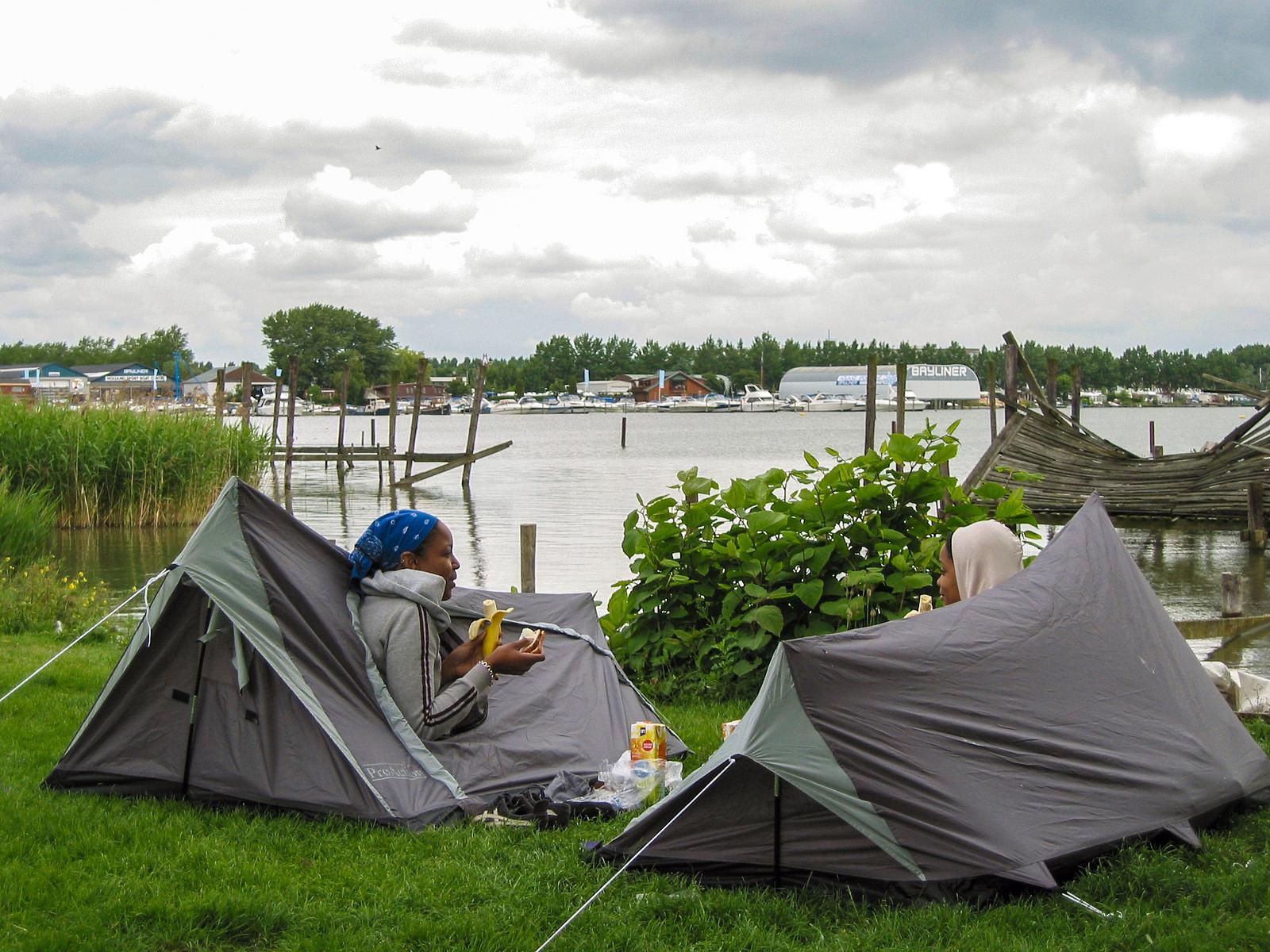
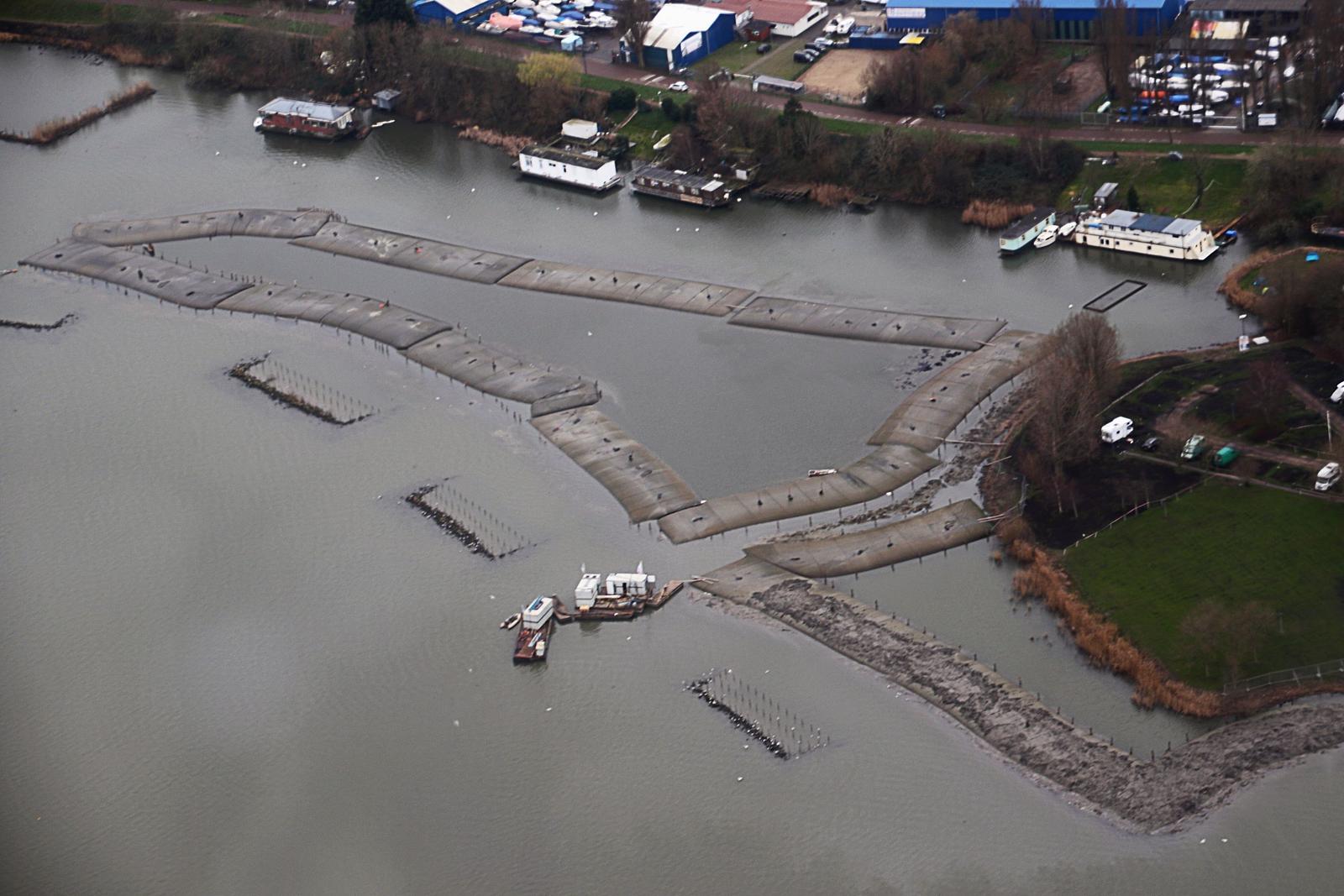
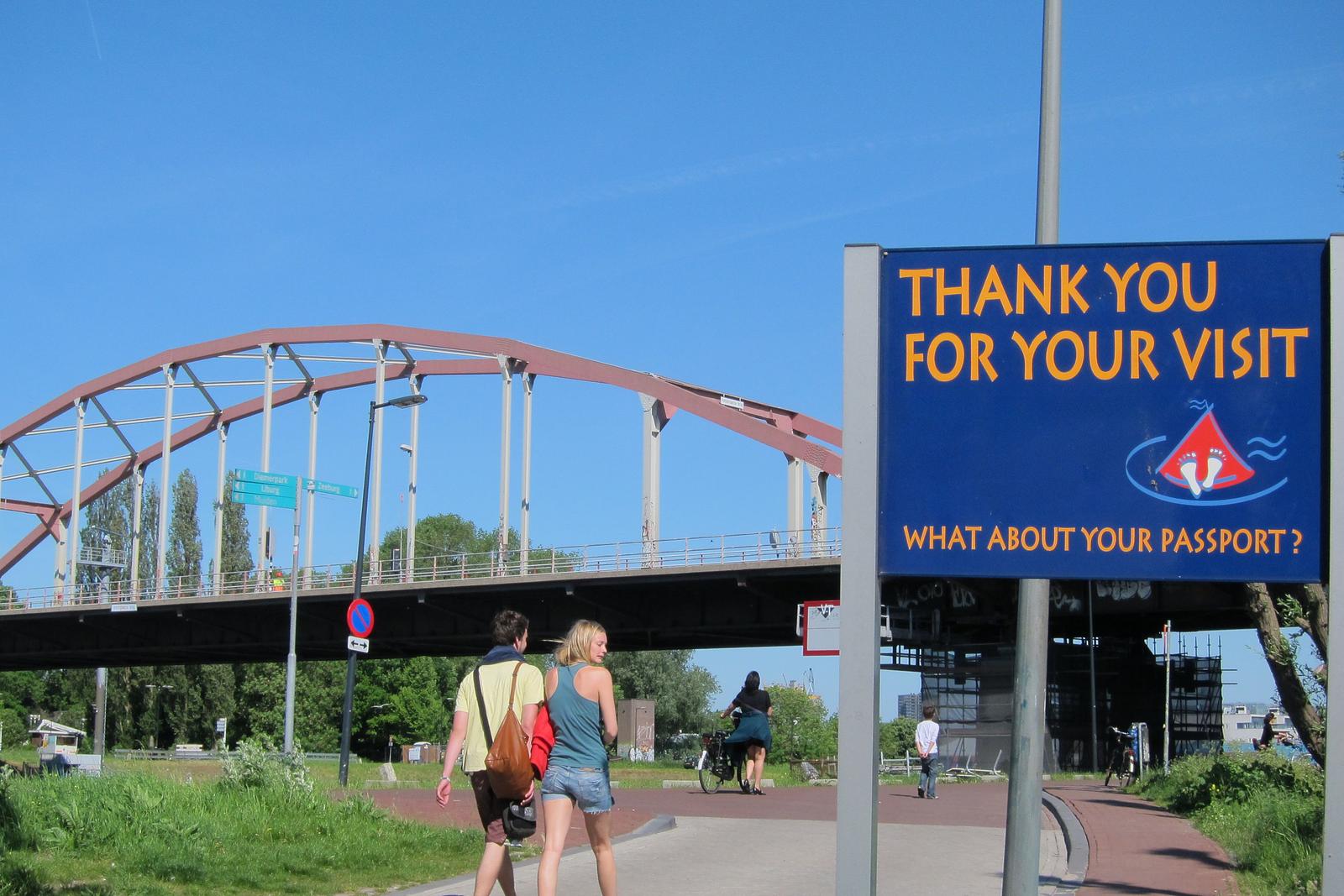
Toon developed an ambitious plan to relocate the campsite to a new site. That vision became reality in the winter of 1996-1997, when Camping Zeeburg moved to its current location on the Zuider IJdijk: a green island surrounded by water, immersed in nature yet only minutes from Amsterdam's city centre.
The new location created space for further development while preserving the campsite's open and unconventional spirit. From its new home on the Zuider IJdijk, Camping Zeeburg developed its own unique identity and grew into a beloved destination for visitors from around the world.
Growing with an Eye on the Future
Camping Zeeburg continued to evolve, focusing not just on growth, but on becoming a better place to stay. Comfort, sustainability and nature became increasingly important parts of the campsite.
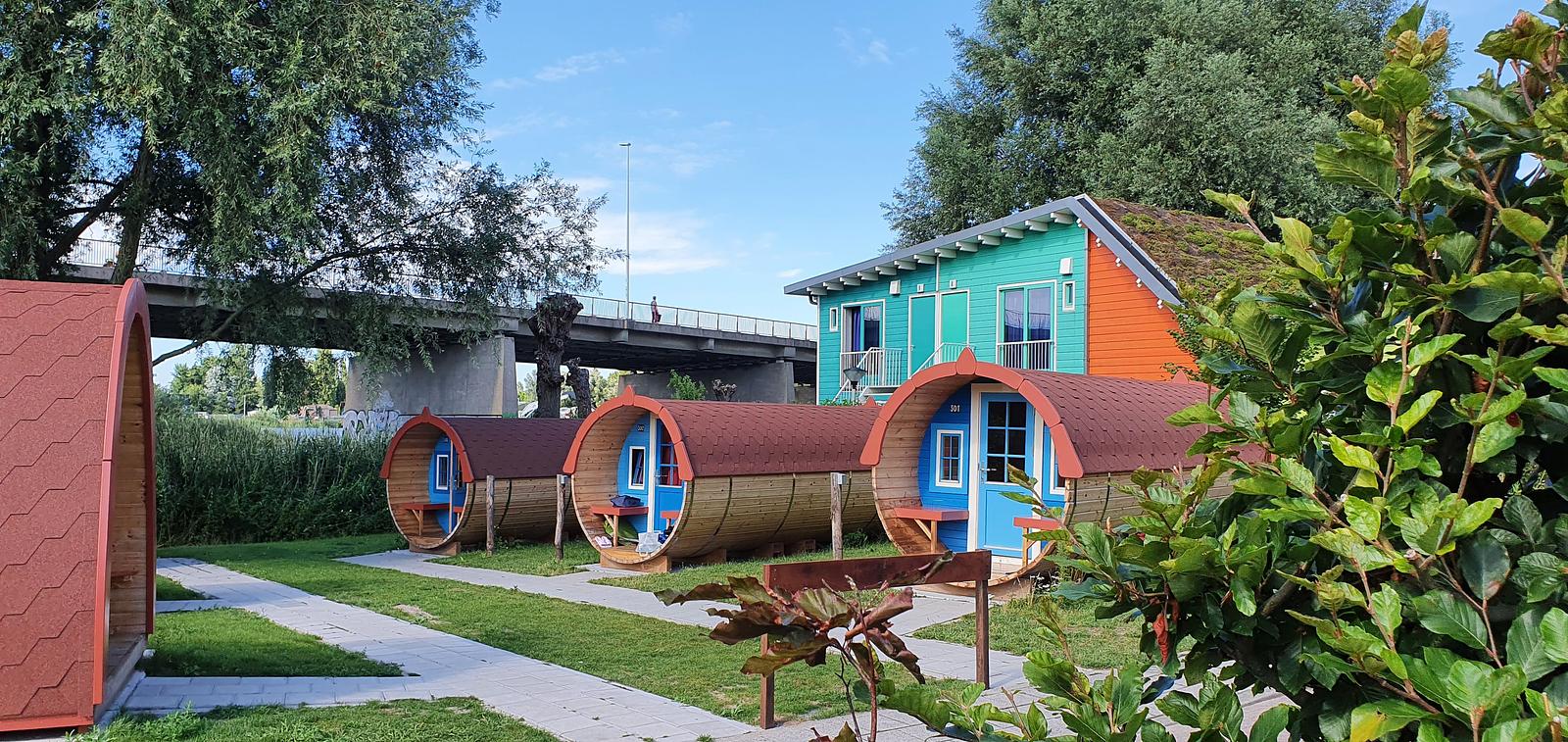
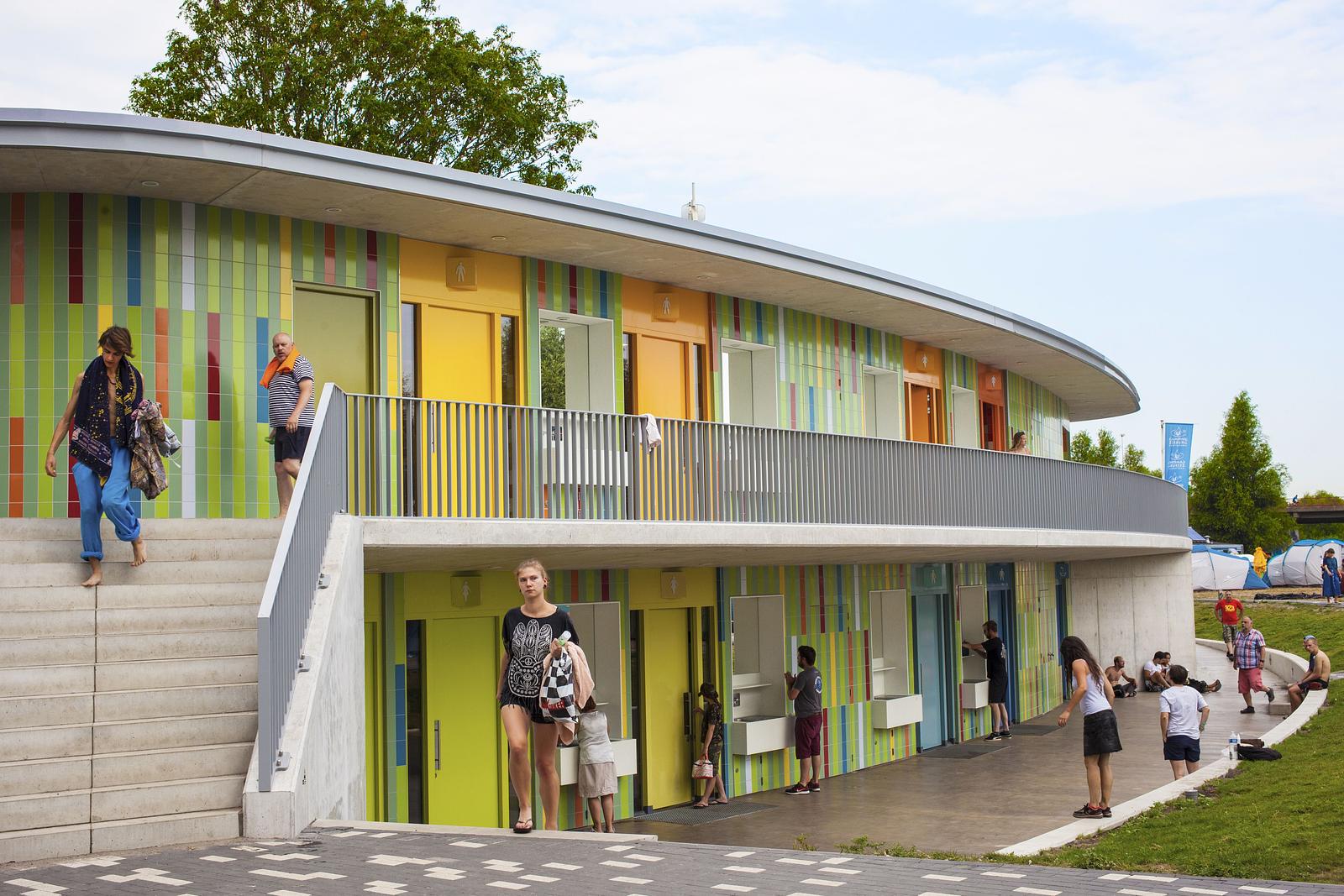
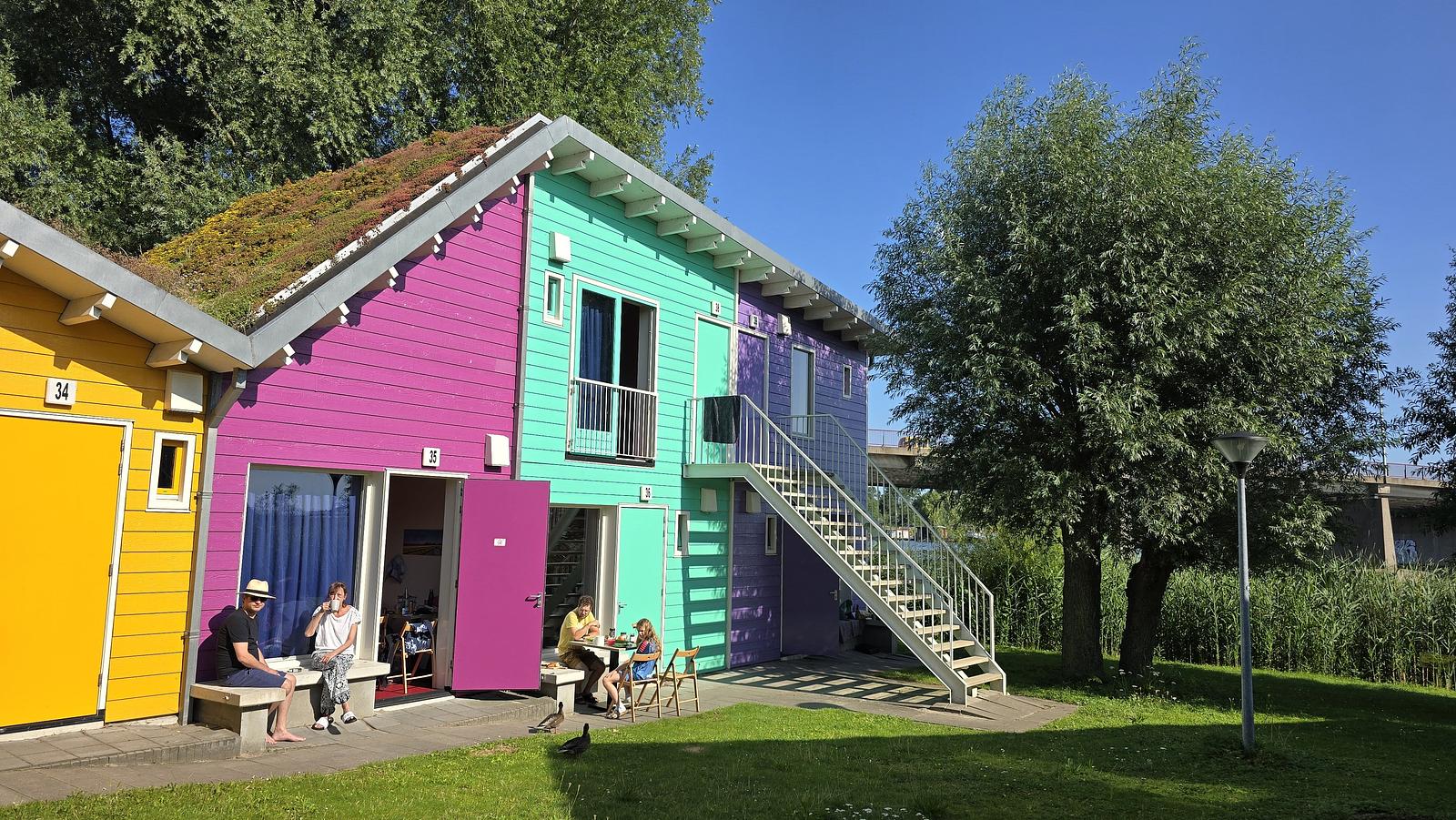
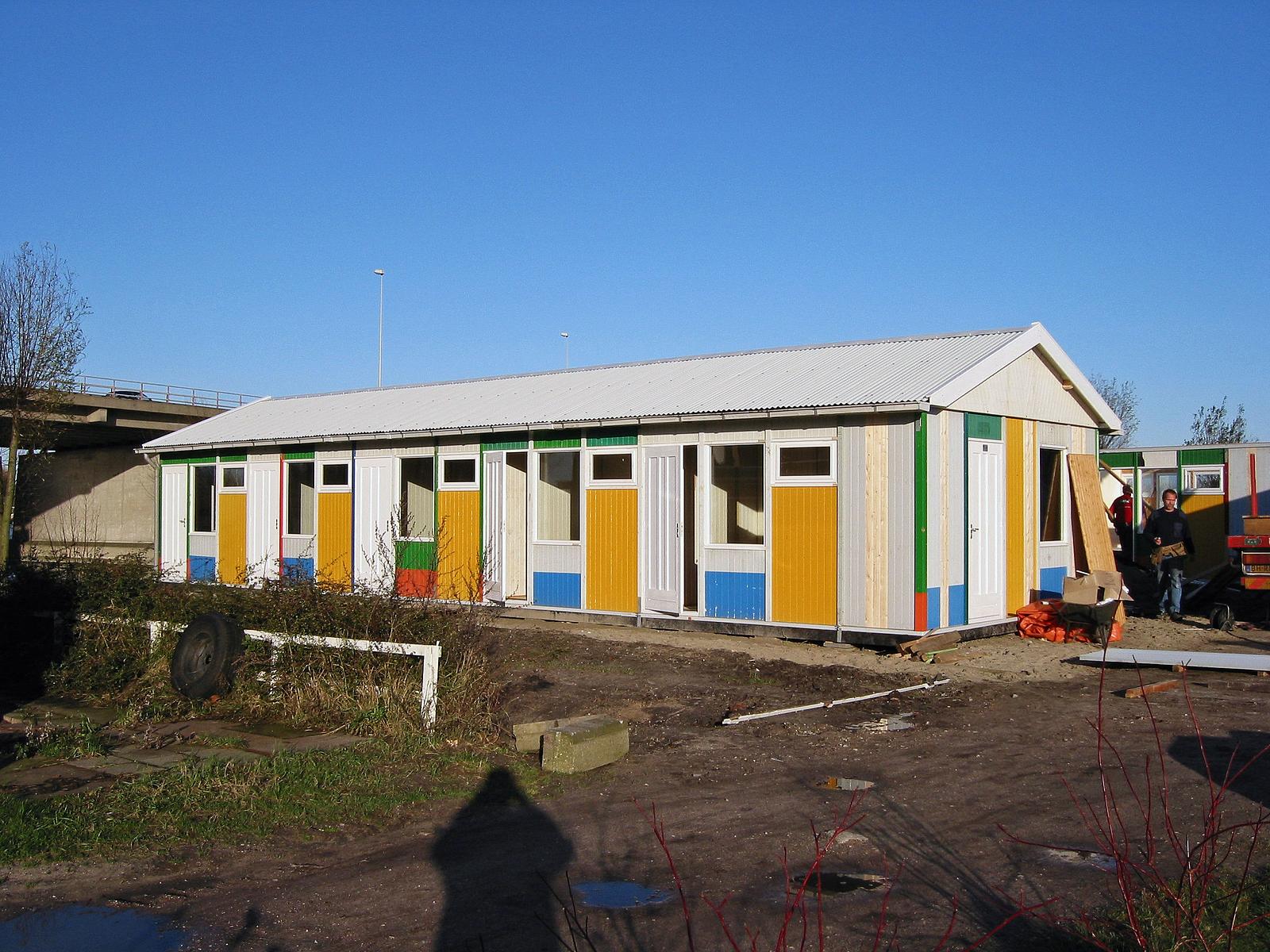
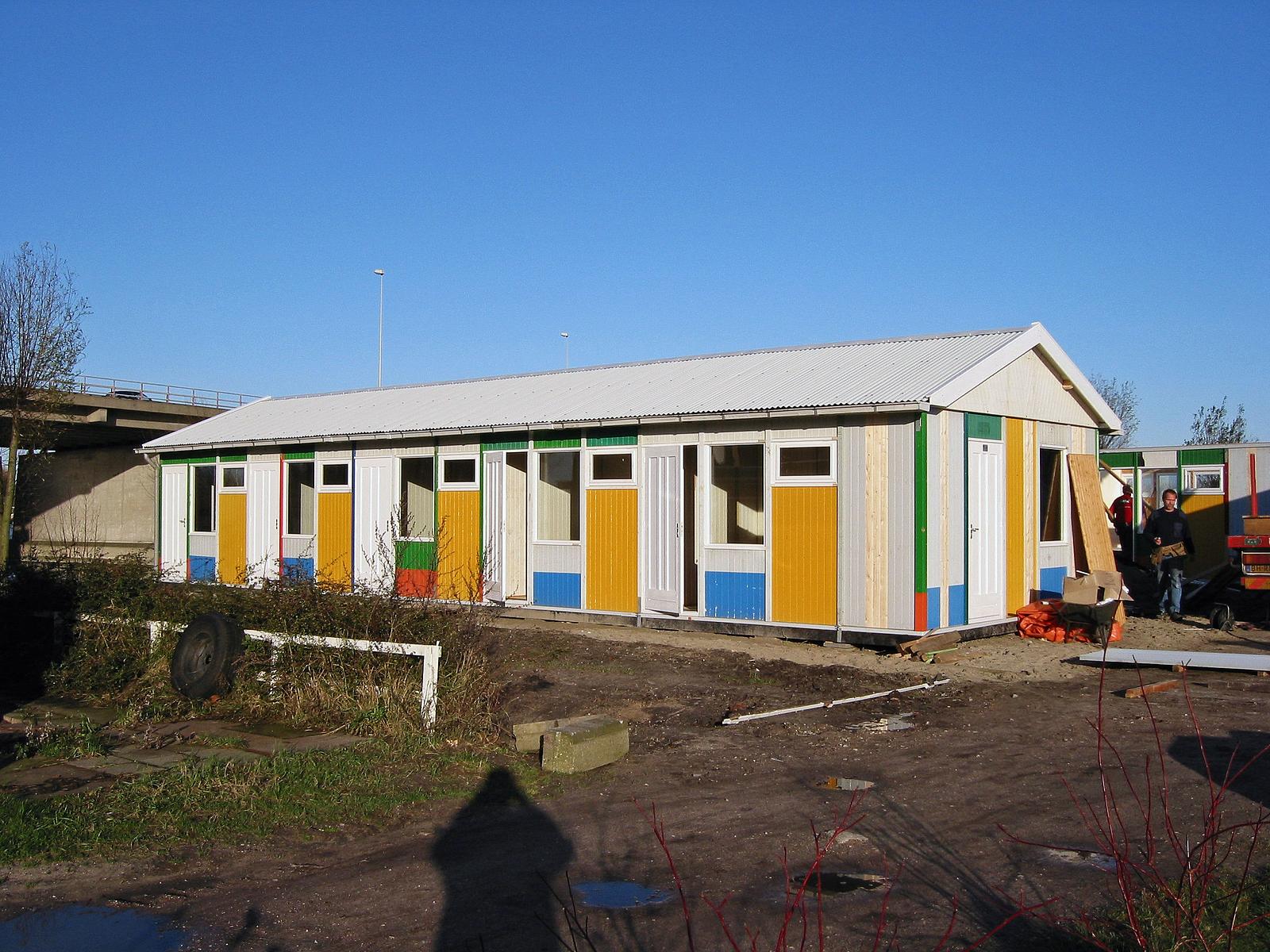
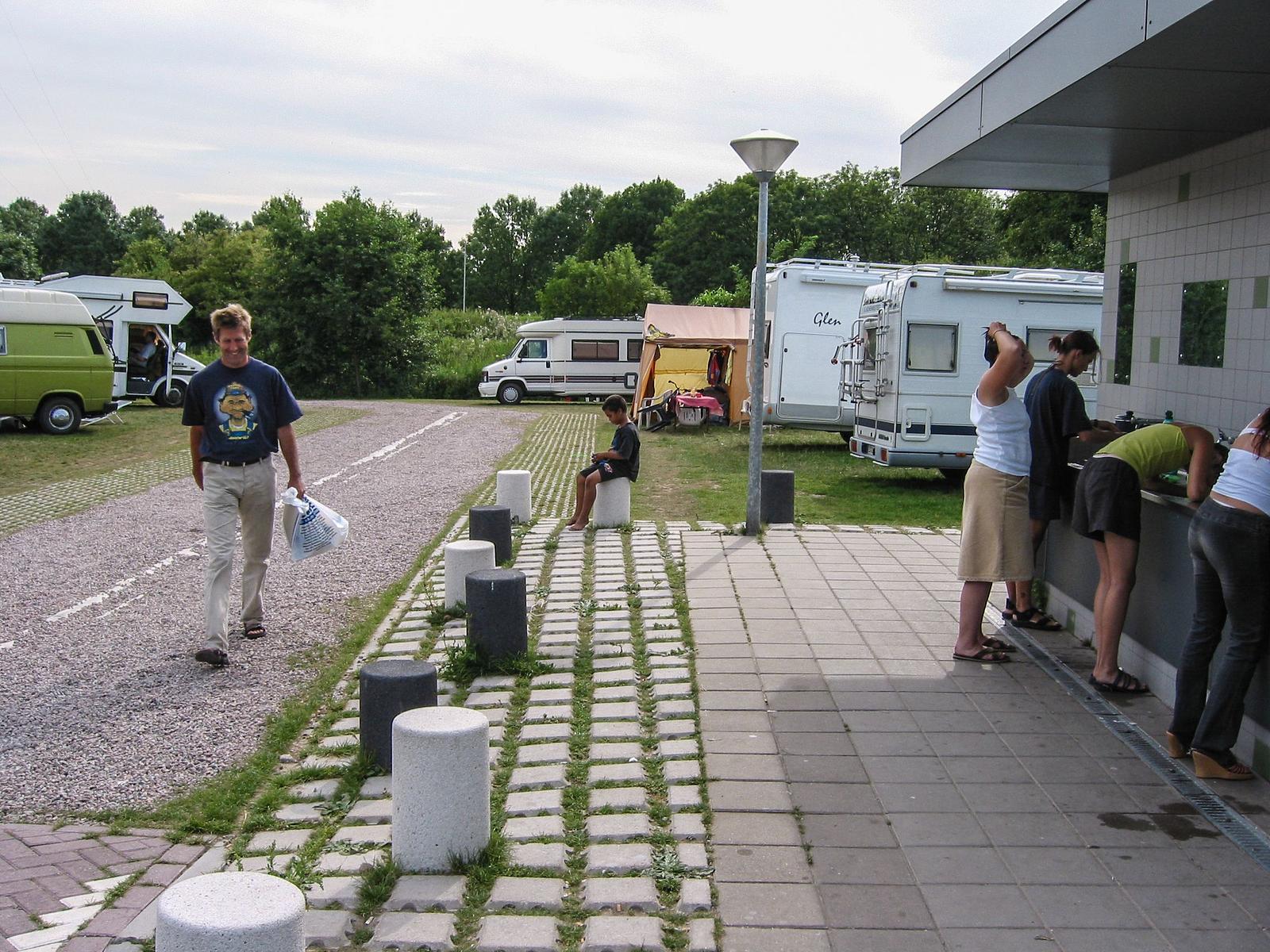
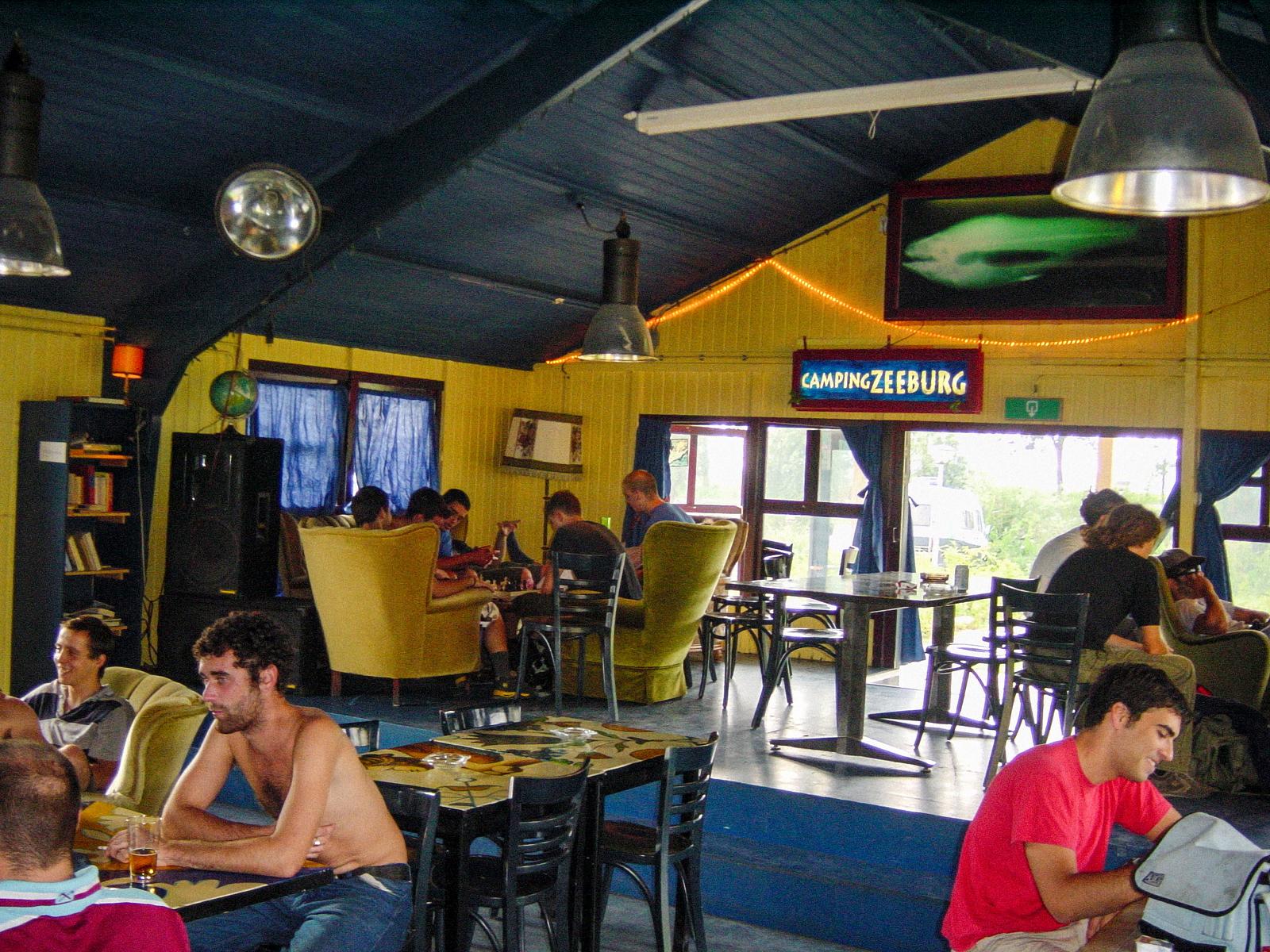
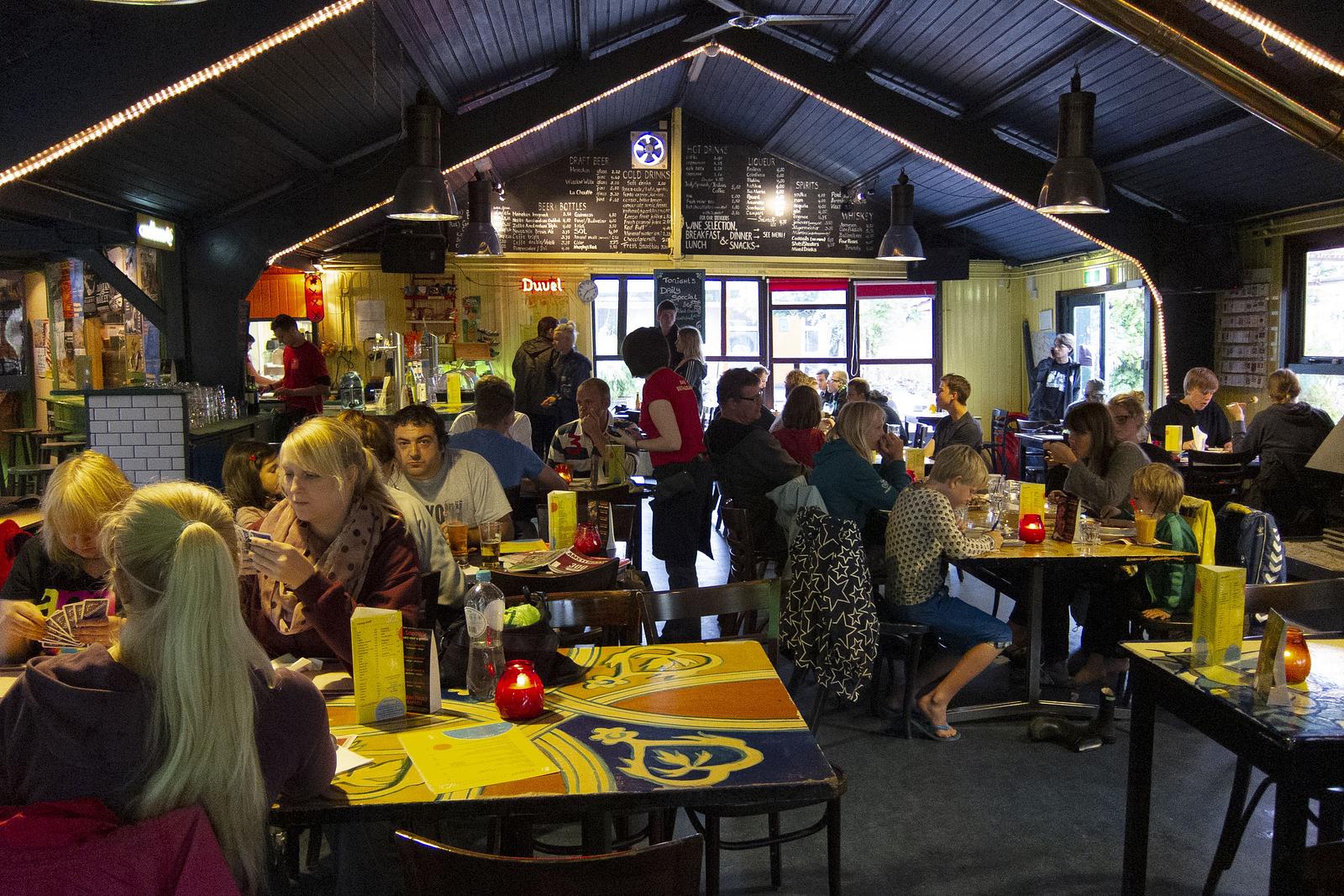
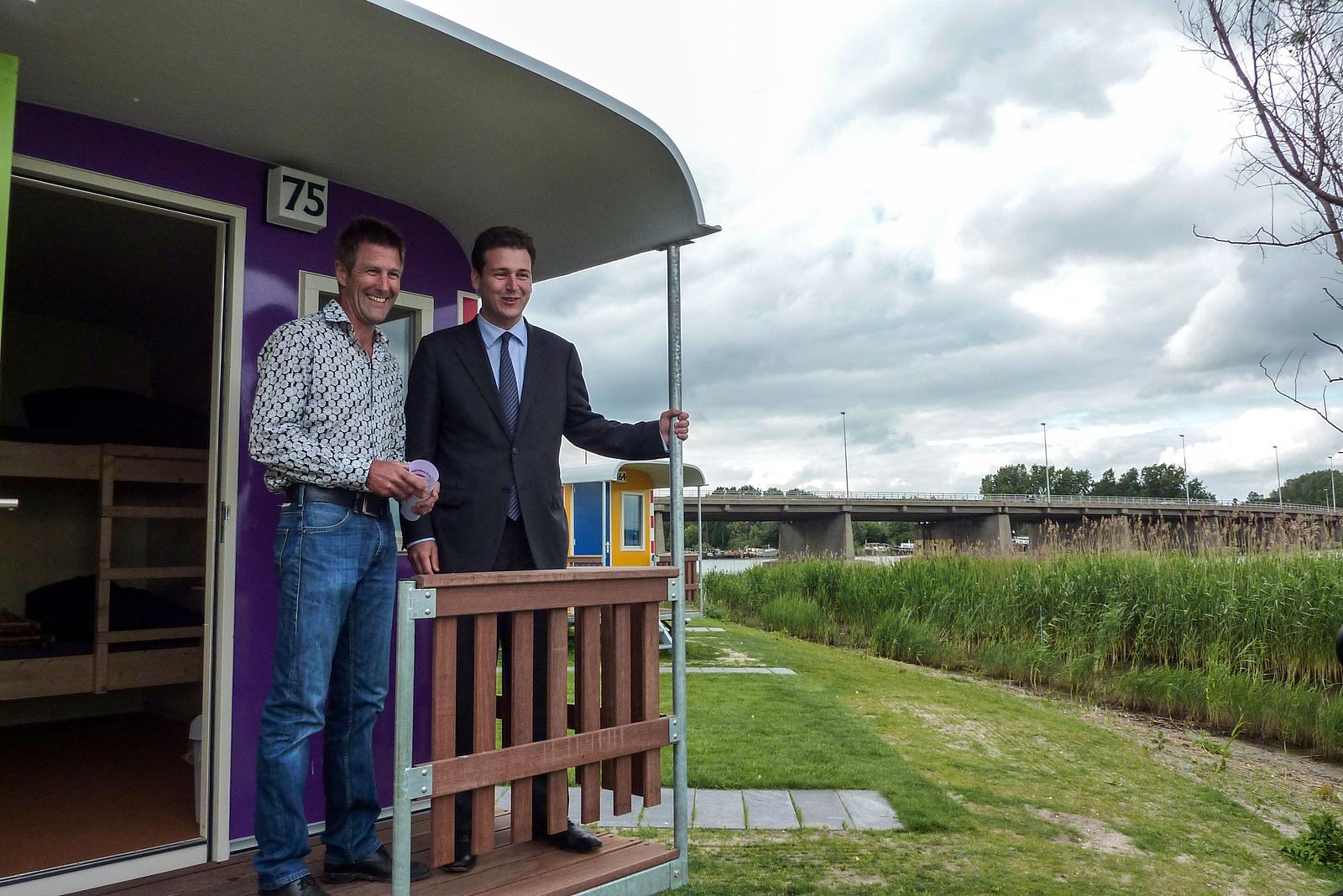
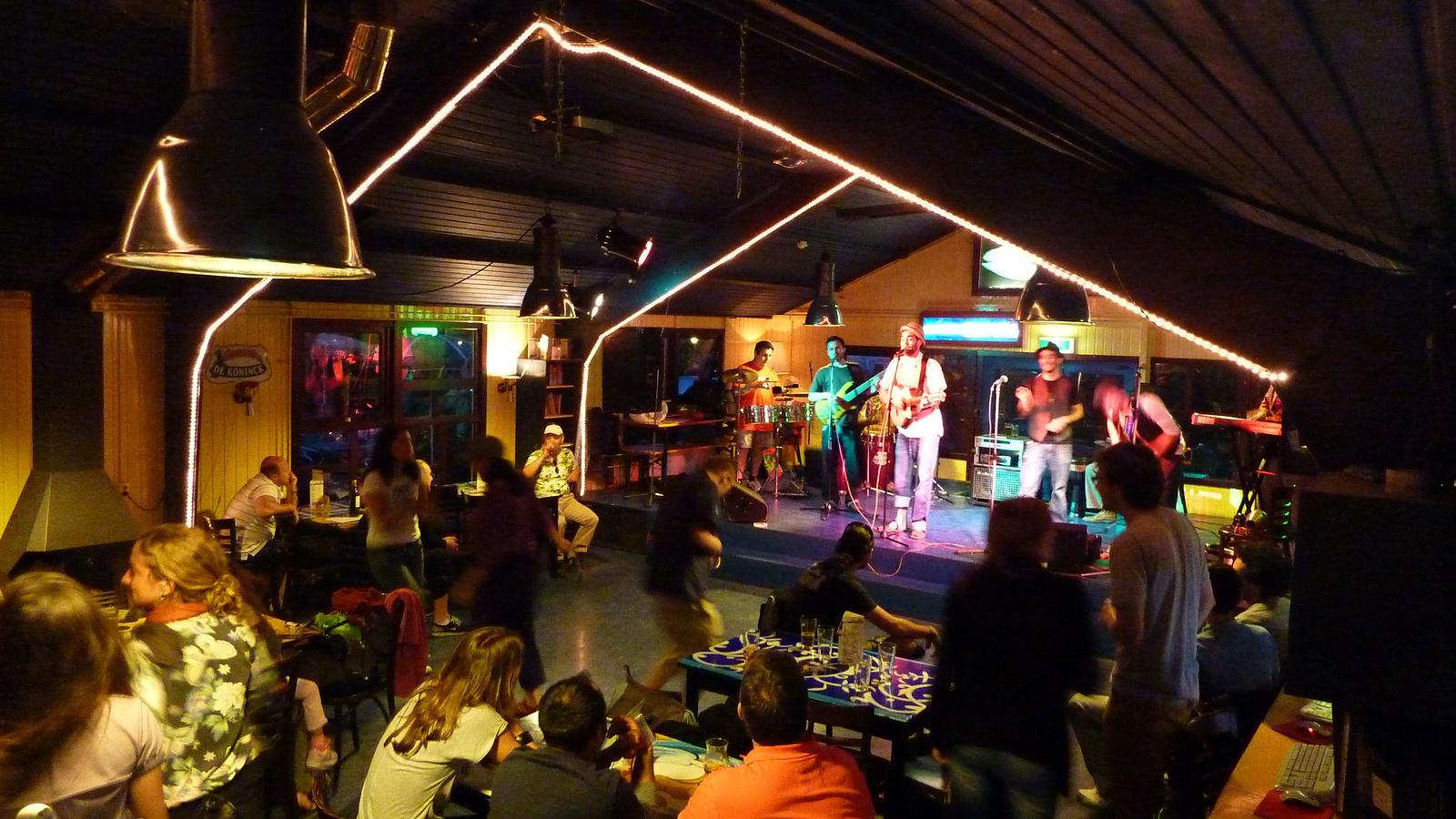
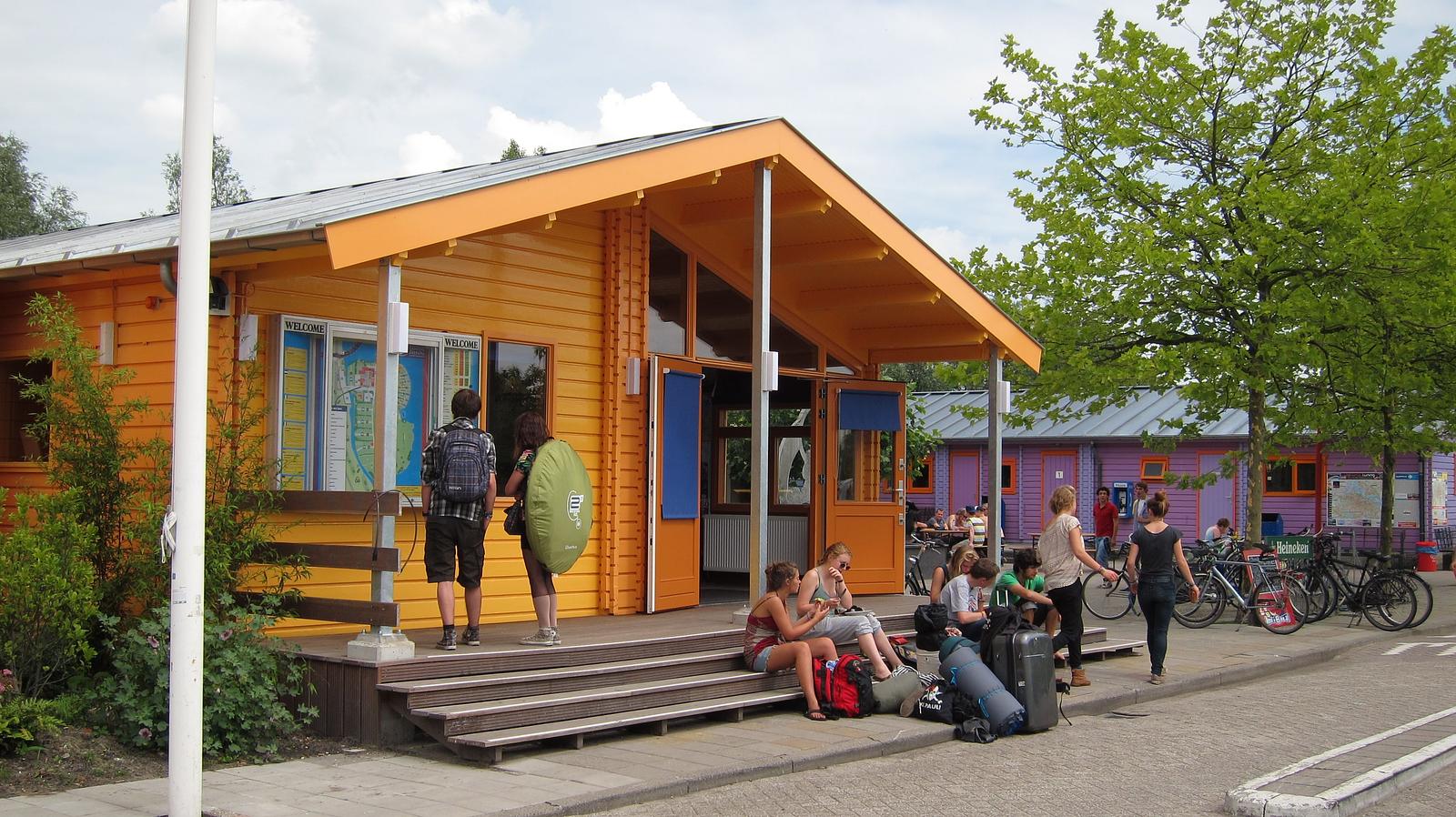
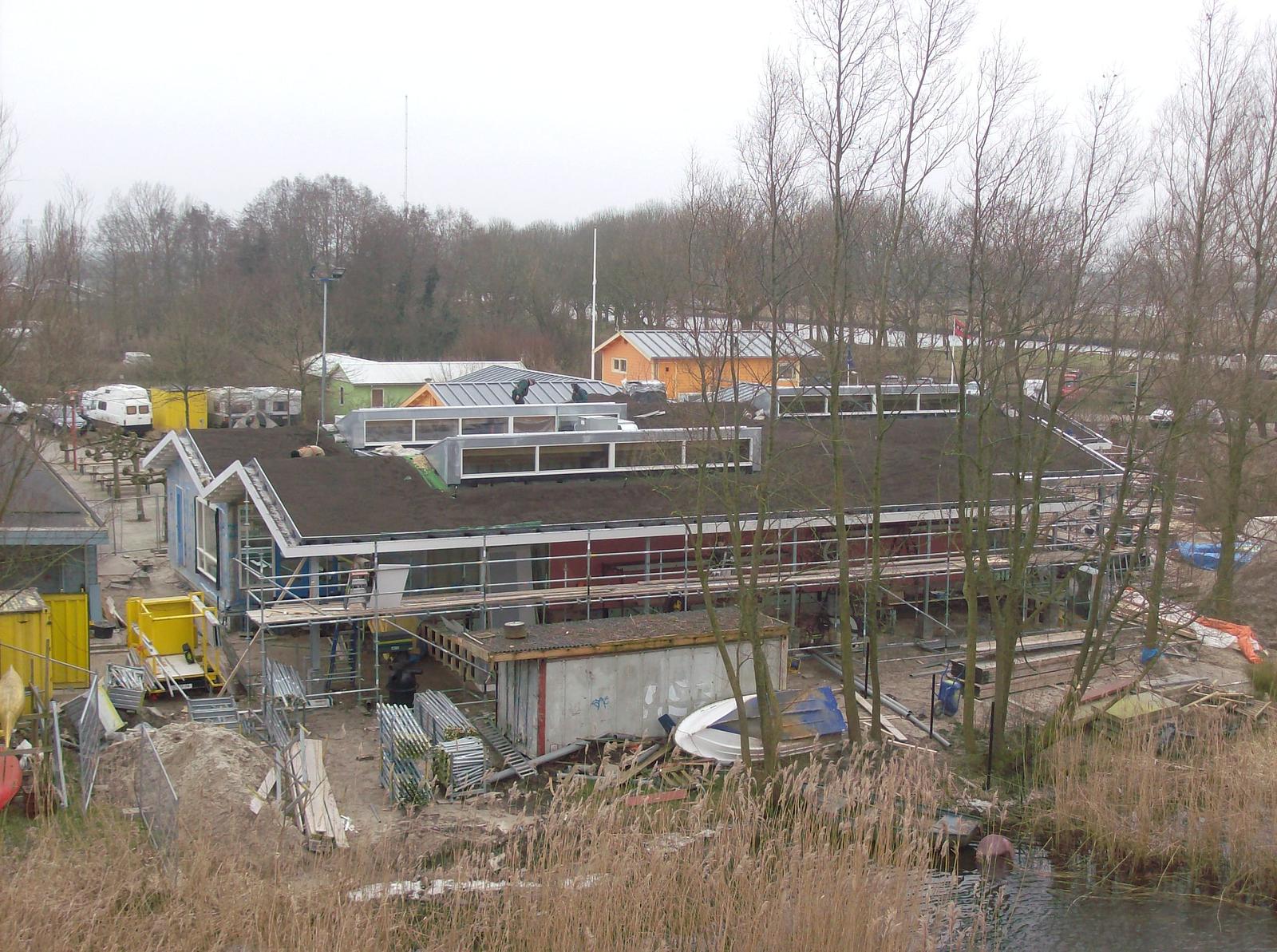
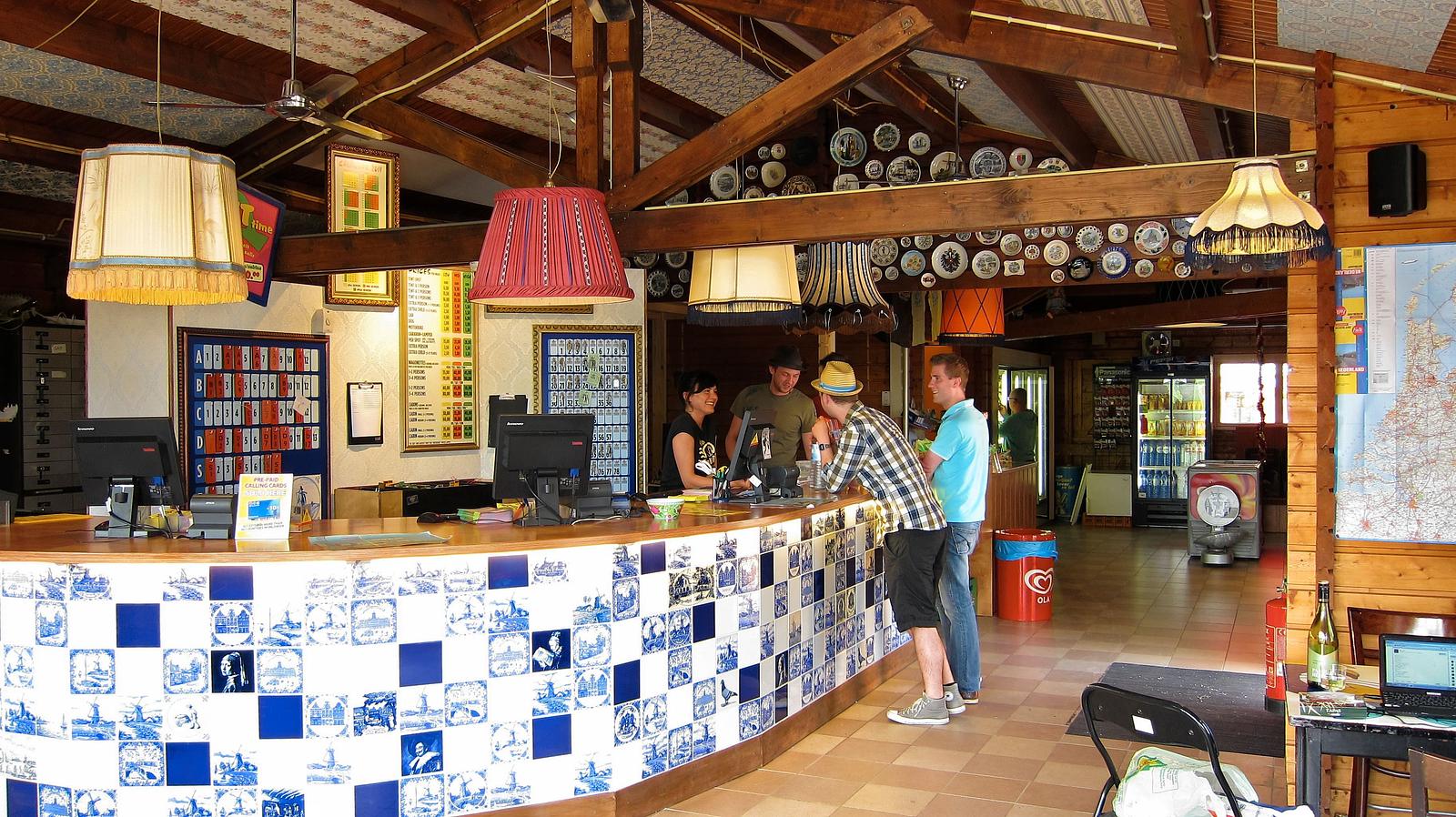
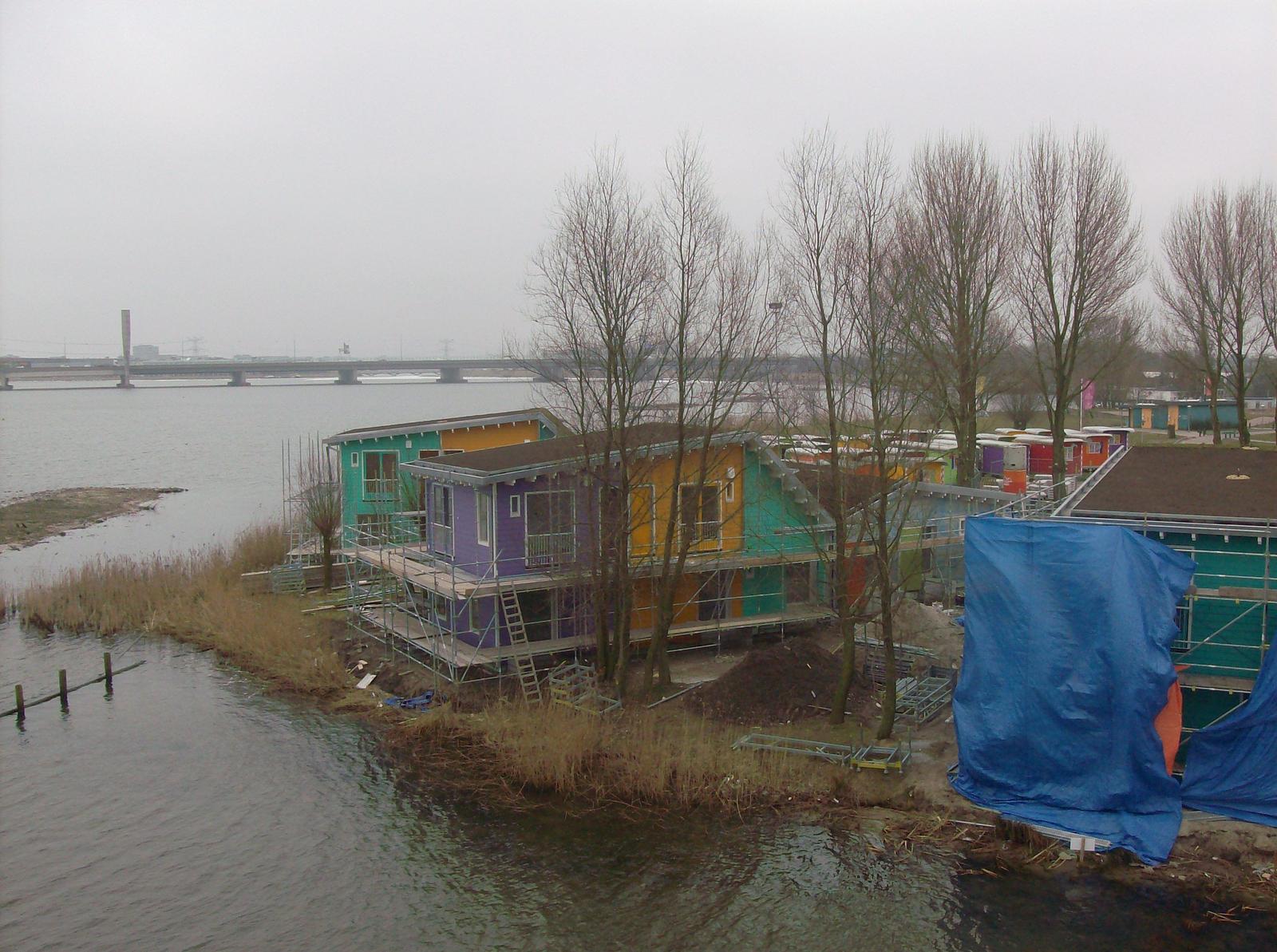
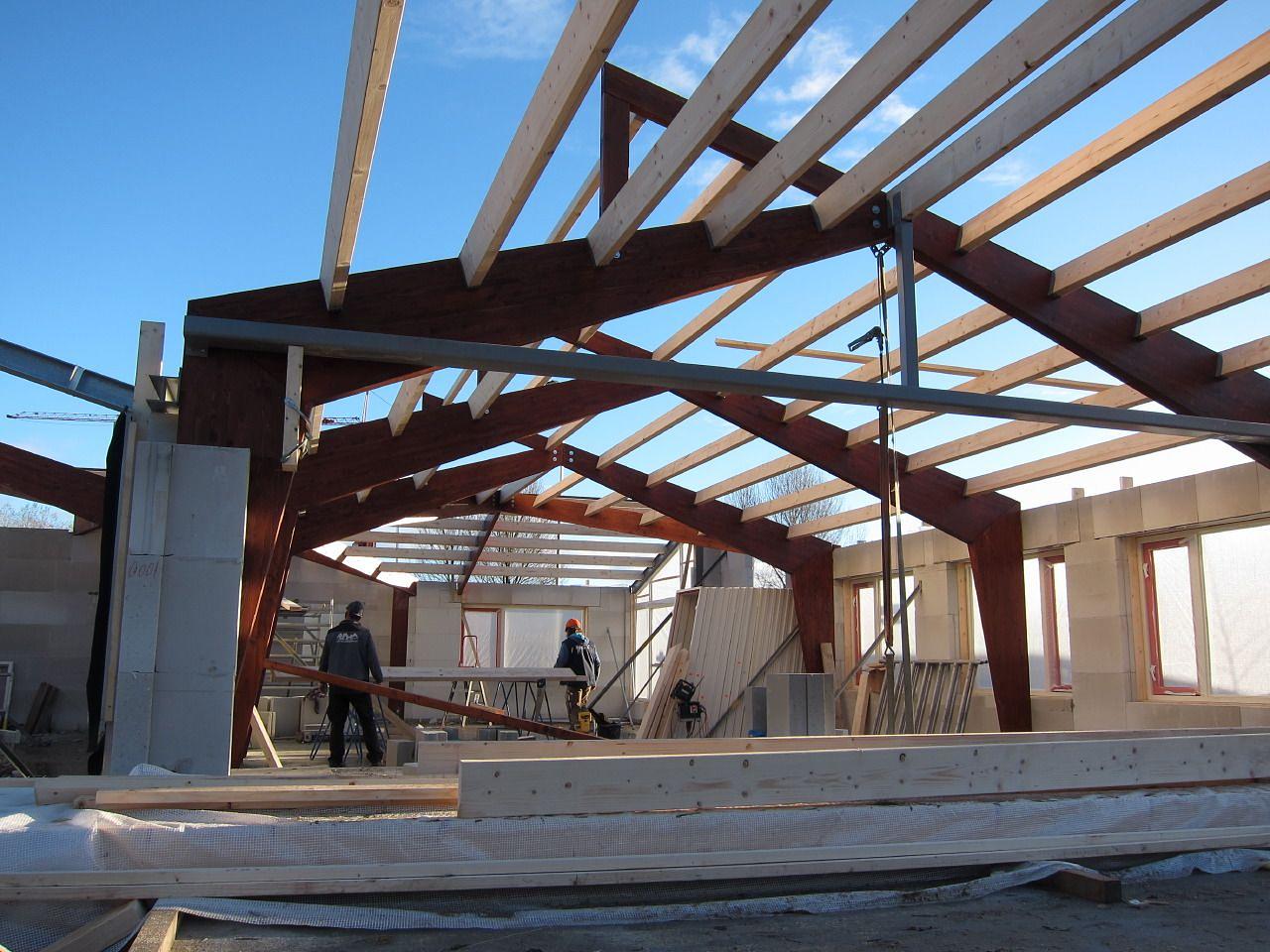
Colourful Eco-Cabins were introduced, featuring green roofs, excellent insulation and underfloor heating. The café-restaurant was transformed with characterful vintage tiles, warm materials and a welcoming atmosphere that reflects the spirit of the campsite, a place where guests meet, share stories and enjoy good food, drinks and live music together. A sustainable sanitary building was added, becoming one of the most innovative facilities of its kind in the Netherlands. At the same time, significant investments were made in biodiversity, green landscaping and environmentally conscious choices.
The campsite itself also continued to change. New camping fields were created, more space was given to nature and, eventually, an ambitious new island was developed especially for tent campers.
Step by step, Camping Zeeburg became the place many guests know today: a green city campsite where nature, connection and Amsterdam come together.
A New Future for Camping Zeeburg
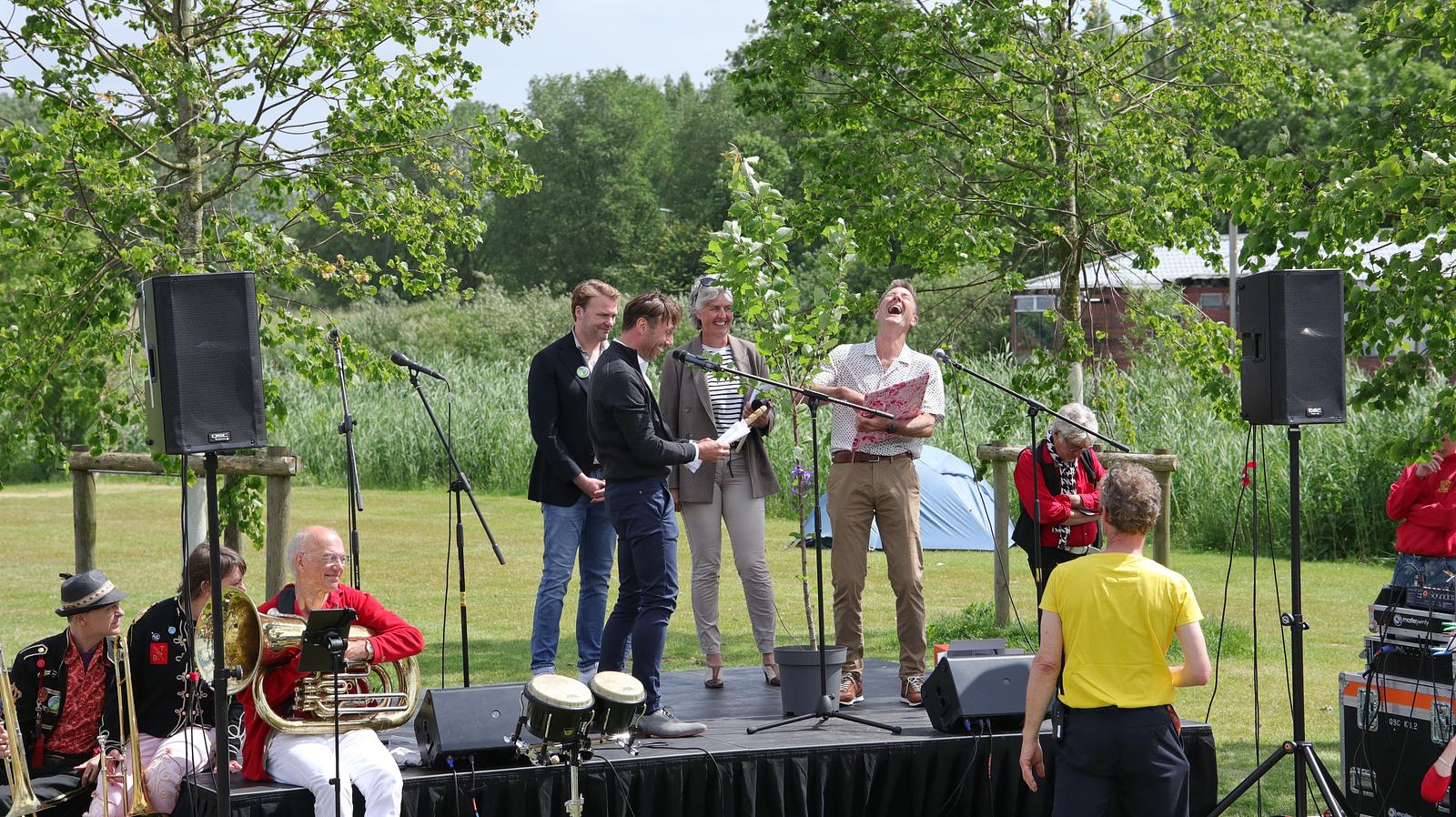
In 2024, after more than 30 years, Toon Weijenborg decided it was time to hand over Camping Zeeburg. Rather than selling it to an investor or an international hospitality chain, which he believed already had enough influence in Amsterdam, he chose a different path. The campsite was transferred to the newly established Stichting Beheer Camping Zeeburg (Camping Zeeburg Management Foundation).
This marked a conscious decision to safeguard the campsite's independence and ensure that sustainability and social responsibility remain at its core. Any profits are no longer distributed to shareholders but are reinvested in the campsite and its social and environmental mission.
That same year also saw the opening of the long-awaited new island section of the campsite. This expansion created more space for guests, nature and tranquillity, demonstrating that development and nature conservation can go hand in hand.
Half a Century Later
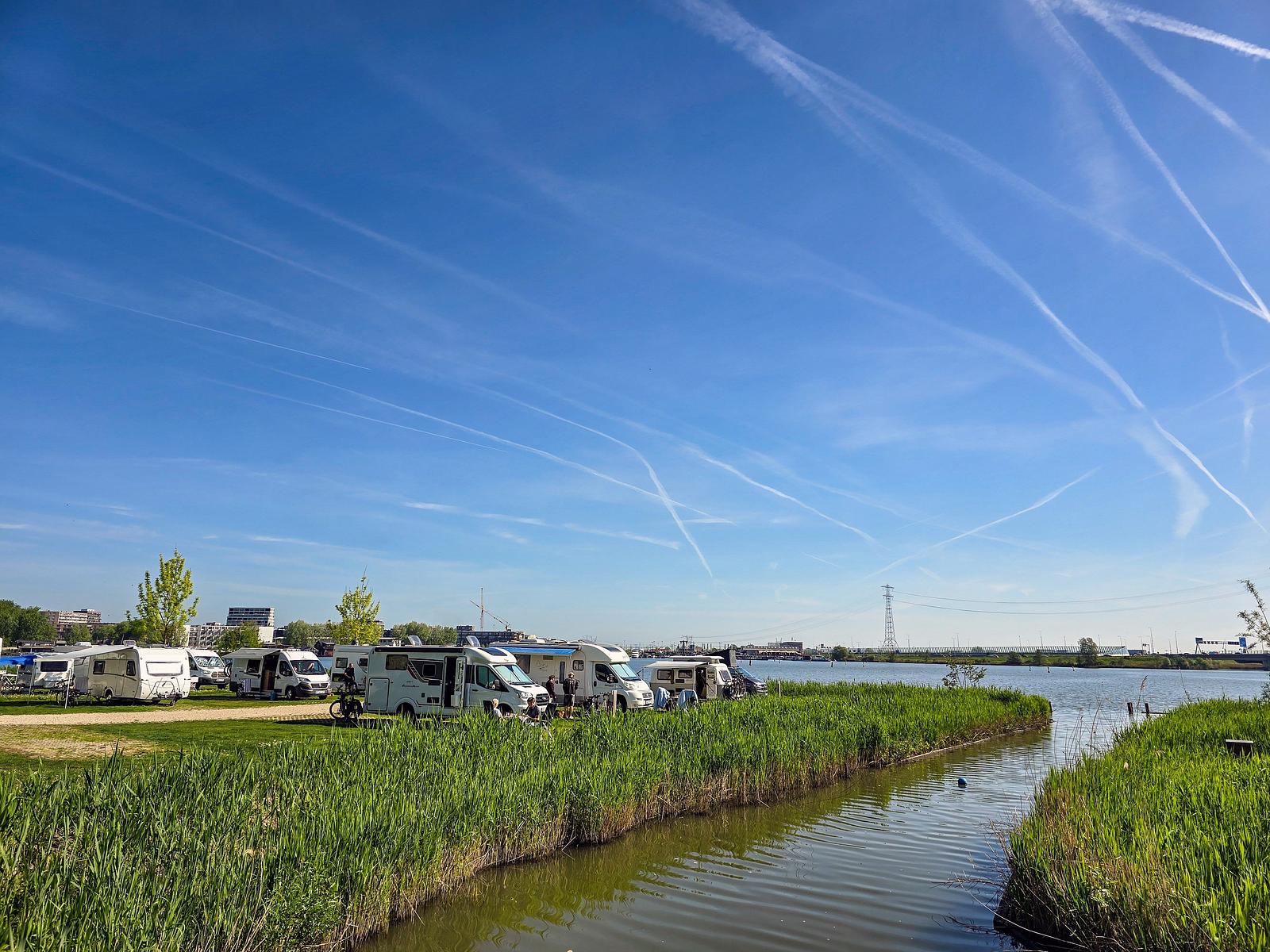
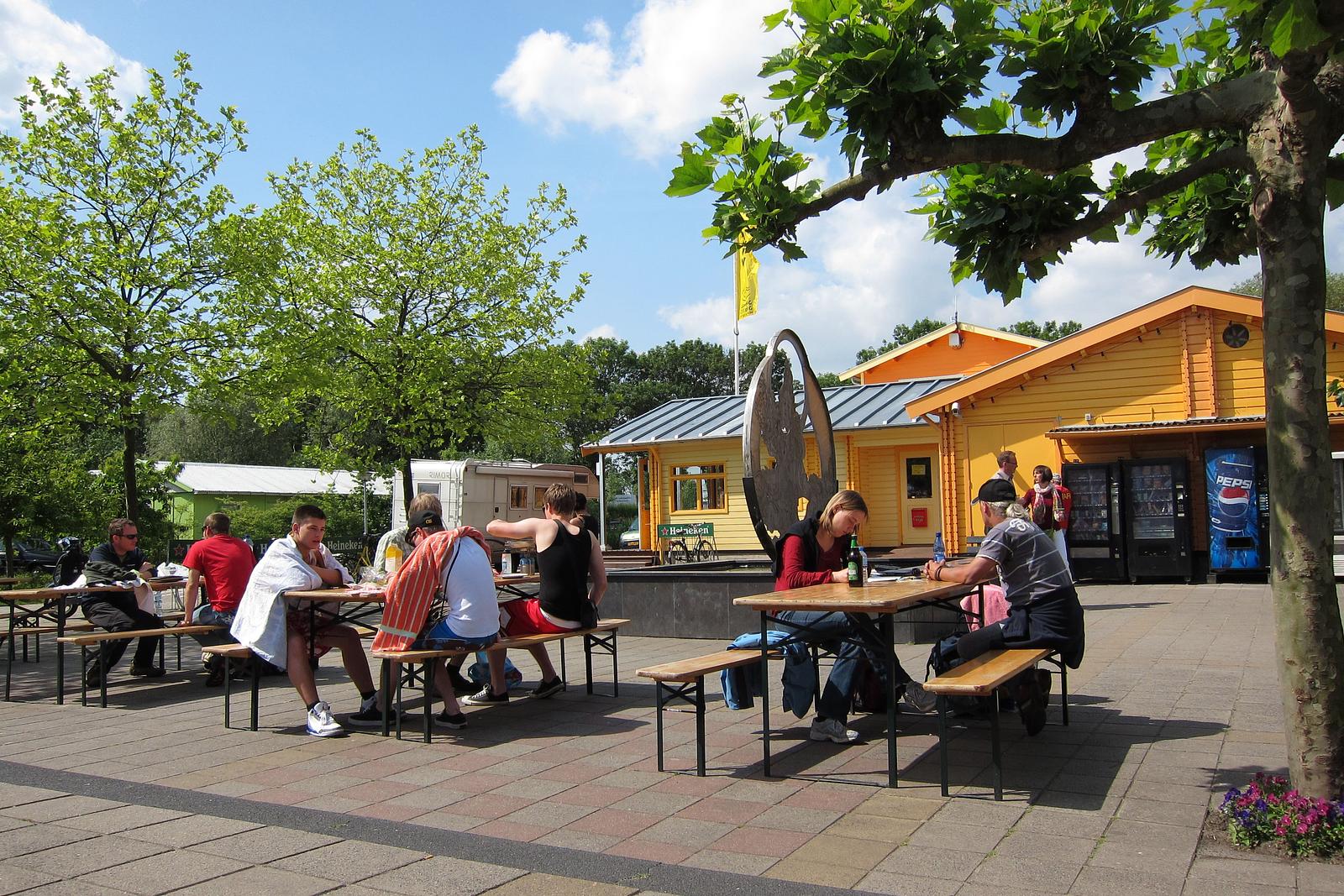
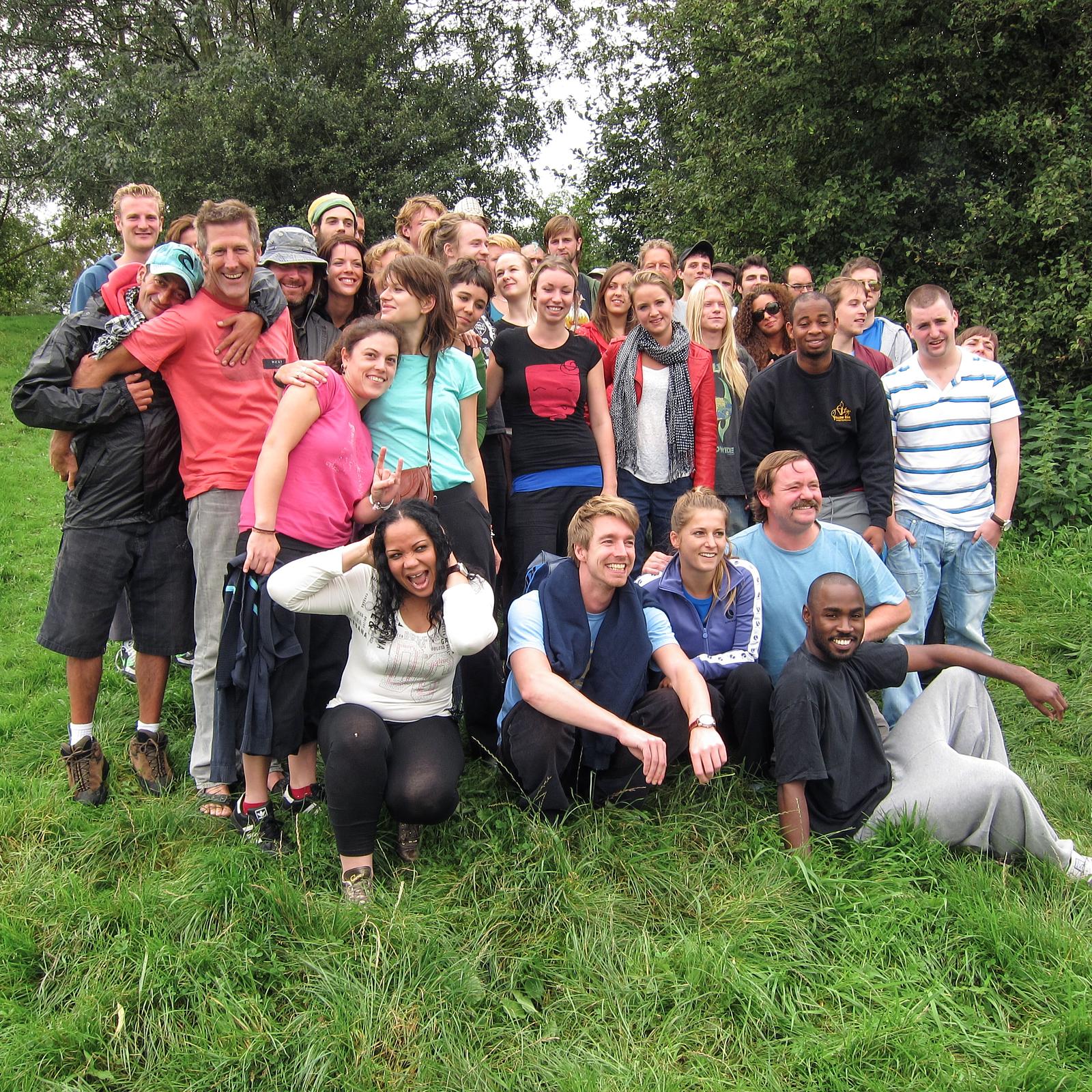
Today, Camping Zeeburg welcomes more than 80,000 guests each year from all over the world. Backpackers, cycle tourists, families, campers and city explorers all find a place by the water where Amsterdam feels close, yet the hustle and bustle seem far away.
From a municipal solution to a growing problem to a beloved city campsite, from a social employment project to a steward-owned organisation, much has changed over the past fifty years. The hippies may have disappeared, but their free spirit remains. The city changed, tourism evolved and Camping Zeeburg evolved with it. Yet its heart has always stayed the same: a place where everyone is welcome, where differences are embraced and where freedom is something you feel the moment you arrive.
As Amsterdam changed, Zeeburg changed with it. The rough edges gradually softened, but the open and welcoming atmosphere remained. Perhaps that has always been Camping Zeeburg's greatest strength: the ability to keep evolving without ever losing its identity.